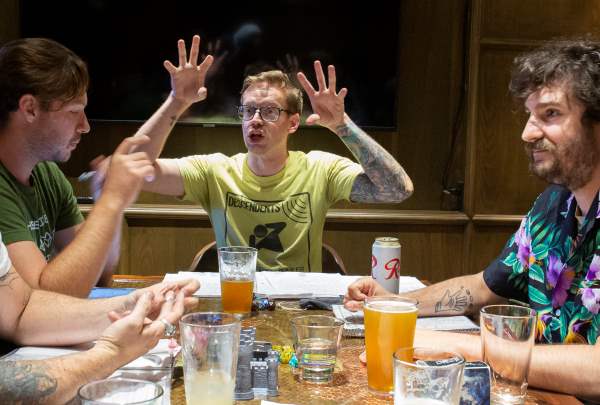

Critical Role: A Journey of Growth and Leadership Evolution

In the world of online entertainment, few tales are as captivating as that of Critical Role. What started as a group of friends playing Dungeons & Dragons (D&D) has grown into a multimedia powerhouse, reshaping the landscape of tabletop gaming and storytelling.

For those who don’t know, Critical Role is a popular web series that features a group of talented voice actors playing D&D. The show is primarily known for its engaging storytelling, character development, and the camaraderie of the cast. The cast members, including notable voice actors such as Matthew Mercer, Marisha Ray, and Laura Bailey, embark on epic adventures in a rich fantasy world created by Mercer, who serves as the Dungeon Master.

Each episode follows the characters as they face challenges, make decisions, and interact with the game world. The show combines elements of improvisational acting, strategic gameplay, and immersive storytelling, creating a unique and entertaining experience for both fans of D&D and newcomers to the game. Critical Role has gained a massive following through its live broadcasts, podcasts, and animated shows, significantly contributing to the growing popularity of tabletop role-playing games in mainstream media.

As Critical Role evolved, so did its business model, offering valuable insights into effective leadership and business growth. Let’s explore three key leadership lessons we can glean from the journey of Critical Role.

Lesson 1: Passion Fuels Innovation

Critical Role’s success story begins with a shared passion for storytelling and gaming. The cast’s genuine love for Dungeons & Dragons not only birthed a unique and engaging form of entertainment but also fueled a relentless pursuit of innovation. From the early days of streaming on Twitch to launching their independent media company, Critical Role Productions, the team’s unwavering passion became the driving force behind their business evolution.

Leadership Takeaway: Leaders should encourage and tap into the passions of their team members. When people are passionate about their work, they are more likely to innovate, collaborate, and invest the extra effort needed for success.

Critical Role have grown to become a multimedia powerhouse

Lesson 2: Community Engagement Builds Loyalty

Critical Role recognized the power of community early on. Through live broadcasts, engaging with fans on social media, and hosting live events, they cultivated a dedicated community. This connection didn’t just enhance their brand; it became the foundation of their success. The Critical Role fanbase not only consumes content but actively contributes to the success of the brand through crowdfunding campaigns, merchandise purchases, and event attendance.

Leadership Takeaway: Building a strong and engaged community is vital for any organization. Leaders should prioritize open communication, actively listen to their audience, and foster a sense of belonging. A loyal community can be a powerful asset in times of growth and change.

Lesson 3: Diversification Mitigates Risks

Critical Role’s evolution as a business includes diversification beyond their core content. In addition to their flagship show, they’ve expanded into podcasting, comic books, a highly successful animated series, and sought after merchandise. This diversification not only broadened their revenue streams but also mitigated risks associated with reliance on a single platform or medium.

Leadership Takeaway: Leaders should embrace strategic diversification to navigate uncertainties. Relying on a single source of revenue or a narrow set of skills can leave a business vulnerable. Diversification not only expands opportunities but also provides a buffer against unexpected challenges.

Final Thoughts on Critical Role

Critical Role’s journey from a home game to a multimedia empire is a testament to the power of passion, community, and strategic leadership. As businesses navigate the ever-changing landscape, the lessons learned from Critical Role’s evolution offer valuable insights. Leaders seeking sustainable growth and innovation, could do worse than learning from this amazing organization.

The Dungeon Master’s Guide to Running Awesome Meetings

It was pointed out me the other day that playing a game of Dungeons and Dragons (D&D) is a great way to get you running awesome meetings at work. As you’ll read, the parallels are uncanny. In this post, we’ll delve into how the practical aspects of running a D&D session can be translated into effective meeting management techniques that lead to effective and productive workplace gatherings.

Preparation is Key

In D&D, a well-prepared Dungeon Master (DM) ensures a smooth and engaging gameplay experience for the players. The same concept applies to running meetings. As such, proper preparation is the foundation of a successful meeting.

Here’s how D&D-inspired preparation can help:

a) Define clear objectives: Just as a DM sets the adventure’s goals and objectives, you should establish clear meeting objectives. What do you want to achieve? What are the key takeaways?

b) Create an agenda: Much like outlining the session’s storyline, create a detailed agenda with time allocations for each agenda item. Stick to it to maintain focus and efficiency.

c) Know your audience: In D&D, the DM tailors the game to the players’ preferences. Similarly, understand your meeting participants’ needs and tailor the content to make it relevant and engaging for them.

Encouraging participation is important for both D&D and workplace meetings

Engage and Empower Participants

D&D’s collaborative nature promotes engagement and empowerment among players. The most memorable games are when the players take center stage and have agency in the outcome of the adventure. In your meetings, the same principles can foster participation and decision-making.

Consider these practical approaches:

a) Encourage participation: Similar to players actively engaging in the game world, create opportunities for participants to contribute during the meeting. Encourage open discussions, question-and-answer sessions, and feedback.

b) Delegate responsibilities: In D&D, party members have specific roles. In meetings, assign roles or responsibilities to participants to make them feel invested and accountable for the meeting’s success. For instance, designate a timekeeper, note-taker, or discussion leader.

c) Empower decision-making: Just as players make crucial in-game decisions, allow participants to have a say in important matters during the meeting. Encourage consensus-building and gather input to arrive at well-informed decisions.

Adaptability in D&D directly correlates to being flexible in meetings

Adapt and Manage the Flow

In D&D, the game’s flow can change dynamically based on players’ choices. Adapting to these changes is a vital DM skill. In meetings, the ability to manage the flow and adapt to unexpected developments is equally essential.

Practical applications include:

a) Stay flexible: Just as a DM adapts to players’ choices, be flexible during the meeting. If the discussion veers off track or a new issue arises, address it without derailing the entire meeting.

b) Time management: Keep a close eye on time, much like a DM managing a gaming session’s pacing. Ensure that discussions don’t overrun, and use time management techniques to keep the meeting on schedule.

c) Summarize and document: After a D&D session, the DM often summarizes the events and updates the campaign notes. Similarly, at the end of a meeting, recap key points, decisions, and action items, and ensure these are documented and distributed to participants.

Final Thoughts on Running Awesome Meetings

Dungeons and Dragons offers practical insights for running awesome meetings at work. By applying D&D-inspired principles like thorough preparation, engaging and empowering participants, and adaptability in managing the flow, you can elevate your meeting management skills to facilitate more productive and efficient workplace gatherings. So, embrace the Dungeon Master within you, and lead your team through epic meetings that achieve their objectives and keep everyone engaged and motivated.

Unlock the Code: Navigating Dungeons & Dragons and Business

Dungeons & Dragons (D&D), a beloved tabletop role-playing game, and business, may seem like two worlds apart. However, they share commonalities when it comes to achieving success. Navigating Dungeons & Dragons D&D or business involves journeys marked with similar frameworks. Namely, the four pillars of business: People, Customers, Finances, and Systems & Processes. In this article, we explore how these four elements apply to both realms, highlighting their similarities and differences.

People: The Heart of the Endeavor

People are the foundation of both D&D groups and businesses. In D&D, the party consists of diverse characters with unique skills and personalities, each contributing to the team’s success. A balanced group, featuring warriors, mages, rogues, and healers, mirrors a well-rounded team in business. Everyone has a role to play, and cooperation is key.

In business, your employees are your most valuable assets. A strong, motivated team can overcome almost any challenge. Similarly, a cohesive D&D party can conquer dungeons filled with monsters and traps. Furthermore, effective leadership and communication are crucial for both groups.

Customers: Understanding Needs and Desires

When playing D&D, adventurers interact with NPCs (non-player characters), which are essentially the game’s customers. The party must decipher their needs, wants, and motivations to complete quests, obtain rewards, and progress through the storyline. Similarly, businesses must understand their customers’ needs, preferences, and expectations to provide products or services that satisfy them.

In both cases, empathy and the ability to listen are invaluable. Just as a D&D party must discover what the quest giver seeks, a business should continually gather feedback to improve its offerings and maintain customer loyalty.

Playing games as a team can lead to understanding your business better

Finances: Managing Resources Wisely

Managing finances is a critical aspect of navigating Dungeons & Dragons and business. In D&D, the party must carefully allocate their resources, such as gold, equipment, and consumables, to optimize their chances of success. You don’t want to run out of torches halfway into the dungeon! Businesses must do the same by wisely allocating funds, setting budgets, and making investments. While it may seem obvious, many businesses, both large and small, have collapsed through lack of cash.

While the context is different, the principles are similar. Both endeavors require financial planning and prudent decision-making. Overspending, in either D&D or business, can lead to dire consequences, so it’s essential to strike a balance between expenses and income.

Systems & Processes: The Backbone of Success

Systems and processes are essential to ensure everything runs smoothly in D&D and business. In D&D, this might involve establishing a turn order in combat, inventory management, or skill checks. Essentially, they form the rules of the game, keeping the world consistent and gameplay enjoyable. In business, it’s about creating workflows, standard operating procedures, and automating repetitive tasks.

The goal in both cases is efficiency and consistency. A streamlined process in D&D ensures combat encounters flow seamlessly, just as efficient business processes enhance productivity and customer service. Reducing friction and eliminating bottlenecks leads to smoother operations in both D&D parties and business organizations.

Summary of Key Similarities and Differences

Here are a few of the key similarities and differences associated with each of the pillars:

  1. Teamwork and Leadership: Both D&D parties and businesses require effective leadership and teamwork. However, in D&D, characters may have different alignment, motivation, and loyalty, while in business, employees are typically united by a shared goal and compensation.
  2. Customer Interaction: Understanding customer needs and desires is vital in both D&D and business. However, D&D characters often deal with a single quest giver at a time, while businesses must cater to a broader customer base.
  3. Finances: Managing finances is critical in both contexts. In D&D, the party shares a common pool of resources, whereas businesses have separate budgets and income streams.
  4. Systems & Processes: Efficient systems and processes are essential for both D&D parties and businesses. However, in D&D, the framework is set by the game rules, while businesses have more flexibility in designing their processes.

Final Thoughts on Navigating Dungeons & Dragons and Business

While the settings and goals of Dungeons & Dragons and business might differ significantly, the core business framework of People, Customers, Finances, and Systems & Processes play integral roles in both realms. These elements are foundational to achieving success, whether you’re exploring dungeons and battling monsters or navigating the complex world of commerce. By recognizing these similarities and differences, you can apply the lessons learned in one realm to enhance your performance in the other, creating a well-rounded approach to success in both D&D and business.

To my mind navigating dungeons and dragons has huge potential in helping teams refine and craft their soft business skills. What do you think?