The Secrets of Teamwork and D&D – Everyone Has a Different Role

Dungeons and Dragons (D&D) is renowned for its party-based gameplay. Involving groups of diverse characters coming together to embark on epic adventures. In this article, we delve into the roles that each player’s character assumes in a D&D party, exploring how these roles mirror the dynamics of a business team. By examining the unique contributions of each party member, we can uncover valuable insights. Effectively, helping build successful teamwork in the business world.

The featured pic above is from Life of the Party comic strip by the talented Travis Hanson.

The Tank – The Guardian and Protector

In D&D, the Tank is the heavily armored character who excels at protecting the rest of the party. They often put themselves in harms way to help the group achieve their goal. Think heroic knights or paladins.

Similarly, in business, there are team members who act as the guardians and protectors, ensuring the smooth operation of projects and shielding others from potential obstacles. They possess the ability to handle high-pressure situations, maintain stability, and provide support when needed. These professionals take the well-being of the team very seriously and can often be found leading teams. As such, fostering teamwork amongst the other team members becomes a core part of their offering.

The DPS – The High Damage Dealer

The DPS (Damage Per Second) character in D&D is responsible for dealing high amounts of damage to enemies. They possess exceptional offensive capabilities and excel in combat situations. This could be a battle mage slinging lightning bolts across the battle field or a lean barbarian with extreme sword mastery.

In the workplace, certain team members are analogous to DPS characters. They bring a strong skill set and expertise to the table, enabling them to tackle complex challenges head-on and generate significant impact through their specialized abilities. These take the form of technical specialists who are known to be experts in their field.

The Healer – The Support and Problem Solver

The Healer in D&D is vital for sustaining the party’s health, curing ailments, and providing support in critical moments. Without this character the group faces a much higher chance of losing team members or even risking a total party kill!

In a business team, the role of the Healer is fulfilled by those individuals who possess excellent problem-solving skills. They also have significant empathy, and the ability to provide support to team members during challenging times. They excel at diffusing conflicts, offering guidance, and ensuring the overall well-being of the team. These members of the team often act as mentors to the rest of the group.

It’s not wrong…

The Buffer – Enhancing Team Performance

Buffers in D&D possess skills that enhance the performance of their fellow party members. They provide buffs, bonuses, and support abilities that elevate the effectiveness of the entire group. The stereotype of this role is the Bard. Playing his lute to inspire his friends to greater acts of heroism. As such, the bard is often the central figure to the teamwork of the squad.

At work, individuals who play the role of Buffers are those who possess strong leadership and motivational skills. They inspire and empower team members, foster a positive work environment, and boost overall team performance through their guidance and encouragement. While they have leadership skills in abundance these professionals don’t have to be actual leaders in the organization. It is possible to lead without holding a position of authority. Of course, team enhancing behaviors like this often mean promotion is just around the corner.

The Skill Monkey – Versatility and Adaptability

The Skill Monkey in a D&D party is known for their versatility and wide range of abilities. They excel in various non-combat scenarios, such as diplomacy, negotiation, and problem-solving. These are often rogue characters, including spies, diplomats and bards who have multiple skills and are expert at the more social interactions.

In a business team, the Skill Monkey is the member who possesses a diverse skill set, adaptability, and the ability to wear multiple hats. They are comfortable navigating different roles, stepping up when needed, and bringing a fresh perspective to diverse situations. This could be a project manager with a strong technical skillset. Or, a technician who is great at client interactions and winning work. Their skill lets them bridge multiple roles, ultimately making the team a stronger unit.

Final Thoughts

The D&D party dynamic provides valuable insights into team dynamics. Just as each character has a unique role to play in completing an adventure, every team member contributes their specialized skills and expertise towards achieving common goals. Recognizing and appreciating the diverse roles within a team fosters collaboration, enhances problem-solving abilities, and allows for the effective utilization of individual strengths. By understanding the importance of each role in a D&D party and applying these teamwork principles to their teams, organizations can foster a harmonious and high-performing environment, driving success and achieving extraordinary results.
Powerful Lessons from Slaying the Dragon: Nurturing Employee Well Being

In the cutthroat realm of corporate decisions and profit margins, the cautionary tale of TSR, vividly depicted in Ben Rigg’s “Slaying the Dragon,” serves as a stark reminder of the profound impact choices can have on staff culture and loyalty. In this blog post, we’ll delve into the benefits of prioritizing employee well-being, drawing inspiration from TSR’s misstep, and explore three practical methods to implement now, emphasizing the importance of learning from history.

The TSR Example: A Warning on Neglecting Employee Well Being

In his book, Rigg masterfully recounts TSR’s ill-fated decision to remove writers’ royalties. Prior to this decision the staff writers, who were being poorly paid, could make significant money through royalty agreements assigned to their work. Of course, this encouraged the team to go above and beyond with the products they were creating. It was a win-win for the company and the employees.

Unfortunately, the leadership stopped seeing it that way. Instead, the Blumes (in their role as the executive), considered the royalty program as giving money away. No consideration was given to the well-being of the staff. In fact Ben states in his book that leadership of TSR considered their staff to be interchangeable and disposable. Ultimately, the move not only shattered the financial stability of those who contributed significantly to the company’s success but also eroded the very fabric of the staff culture that had propelled TSR to greatness. Loyalty evaporated, morale plummeted, and the once-thriving workplace crumbled under the weight of shortsighted decisions.

For more information on the rise and fall of TSR you can check out my recent post on the subject.

Benefits of Employee Well Being, Illustrated by TSR’s Downfall

To many looking after your employees and the benefits it brings them and the company seems obvious. However, the demands of business and the stress of sitting at the top can often obfuscate these advantages. Below, I describe three benefits that come with putting your employee well-being at the top of your leadership agenda.

  1. Enhanced Productivity: TSR’s hasty removal of writers’ royalties in “Slaying the Dragon” stands as a poignant testament to the link between employee well-being and productivity. When staff feel valued and adequately compensated, their dedication soars, driving productivity and fostering a positive work environment. Recognizing and compensating employees for their contributions is not just a moral obligation—it’s a strategic investment in the company’s success.
  2. Improved Employee Retention: The TSR saga serves as a vivid illustration of the repercussions of neglecting employee well-being. The sudden removal of royalties triggered many creatives to leave the business, resulting in the loss of invaluable talent and institutional knowledge. Investing in employee satisfaction and loyalty is a proactive measure to safeguard against the high costs of turnover, recruitment, and training.
  3. Positive Company Culture: The demise of TSR in “Slaying the Dragon” underscores the corrosive impact of a toxic culture. Neglecting the well-being of employees can lead to an environment where creativity stifles, collaboration withers, and collective morale crumbles. Prioritizing employee well-being, on the other hand, nurtures a positive culture where collaboration thrives, and individuals feel supported and valued.
An excellent case study on how not to run a business!

Easy Methods to Demonstrate Care, In Light of TSR’s Mistakes

  1. Regular Check-Ins: Learning from TSR’s lack of communication with its writers, implement regular check-ins to ensure open lines of communication. These meetings provide a platform for employees to voice concerns, share successes, and discuss professional development. Thus, demonstrating a commitment to their well-being and fostering a sense of belonging.
  2. Flexible Work Arrangements: TSR’s failure to adapt to changing circumstances serves as a stark lesson in the importance of flexibility. Offering options such as remote work, flexible hours, or compressed workweeks shows a willingness to accommodate diverse employee needs. Ultimately, contributing to a healthier work-life balance and greater overall satisfaction.
  3. Recognition and Rewards: In the aftermath of TSR’s decision, it’s evident that neglecting to appreciate employee efforts can be catastrophic. Implementing recognition programs, providing bonuses, and organizing team-building activities are tangible ways to express gratitude. Which fosters a positive workplace culture encouraging loyalty and dedication.
Employee well being should be a leadership priority

Final Thoughts

The TSR example, vividly portrayed in “Slaying the Dragon,” serves as a haunting reminder of the consequences of neglecting employee well-being. By prioritizing open communication, flexibility, and recognition, you can build a resilient and positive workplace culture. This not only prevents the pitfalls faced by TSR, i.e. a loss of corporate knowledge and expertise, but also positions your organization for sustained success. In the end, the lessons from history underscore that the foundation of any thriving business is the well being and loyalty of its staff.

How to Achieve Level 5 Leadership Through D&D

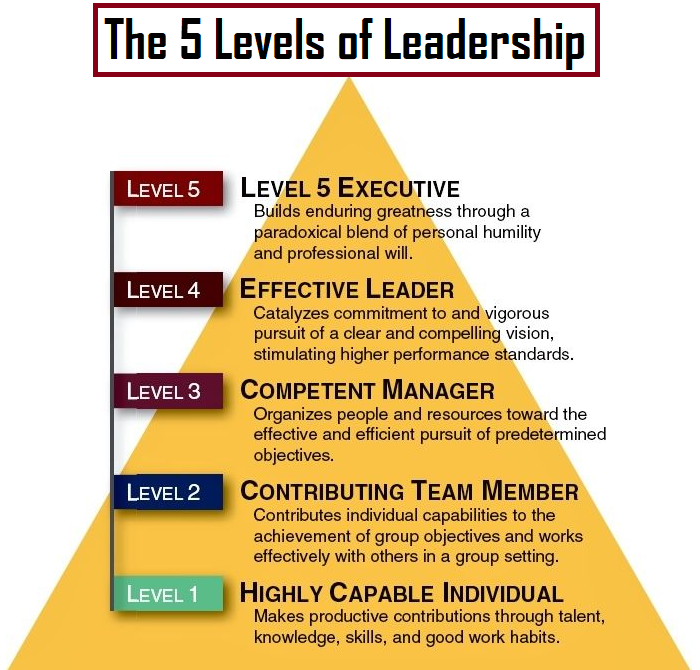
The role of a Dungeon Master (DM) in Dungeons and Dragons (D&D) presents an opportunity to explore and exhibit various leadership qualities. In this post, we examine how DMs embody the principles of the 5 Levels of Leadership, as outlined by leadership expert John C. Maxwell. We delve into the levels of leadership—position, permission, production, people development, and pinnacle. Exploring how DMs exemplify these levels in their game facilitation. Where are you on the journey of achieving level 5 leadership?

Level 5 Leadership

Level 1: Position Leadership – Leading by Title

At the initial level, DMs display positional leadership, as they are given the authority and responsibility to guide the game. Of course, with the position of DM, they have the power to set the stage, establish rules, and direct the narrative. Through effective use of their position, DMs can gain the respect and compliance of the players, setting the foundation for leadership development.

Level 2: Permission Leadership – Earning Trust and Respect

Permission leadership is built on establishing meaningful connections and fostering trust. DMs earn the trust and respect of the players by creating a safe and inclusive game environment. Therefore, they encourage open communication, actively listen to player input, and demonstrate empathy. By cultivating a sense of permission, DMs gain the willingness of players to follow their guidance and make the gaming experience enjoyable for everyone.

Level 3: Production Leadership – Achieving Results

Production leadership is characterized by achieving tangible results and delivering a high-quality gaming experience. DMs demonstrate their leadership by crafting engaging and challenging adventures, designing memorable encounters, and facilitating character growth. Consequently, through their ability to create impactful and rewarding experiences, DMs motivate players to actively participate, invest in the game, and achieve shared goals.

Level 4: People Development Leadership – Investing in Growth

People development leadership focuses on empowering and developing others. DMs exhibit this level of leadership by nurturing the growth and potential of the players. They provide constructive feedback, offer opportunities for character progression, and encourage players to explore their creativity. DMs also foster a mentorship culture, guiding and supporting players in their personal and gaming journey.

Investing in the growth of your team members is the hallmark of a Level 4 Leader

Level 5: Pinnacle Leadership – Creating a Legacy

Pinnacle leadership involves creating a lasting impact and leaving a legacy. Consequently, DMs who reach this level inspire and influence beyond the game. Ultimately, they inspire players to become DMs themselves, passing on their knowledge, passion, and love for the game. Pinnacle leaders create a culture of leadership within the D&D community. This is achieved by empowering others to embrace their leadership potential and continue the tradition of immersive storytelling and adventure.

Final Thoughts on Level 5 Leadership

Of course, I believe Dungeon Masters exemplify leadership qualities aligned with the 5 Levels of Leadership. Through their positional authority, DMs lay the groundwork for their leadership journey. By earning trust and respect, they cultivate permission leadership, enabling them to guide the game effectively. DMs showcase production leadership by delivering compelling experiences, while their investment in player growth reflects people development leadership.

Ultimately, the pinnacle of DM leadership lies in the legacy they create, inspiring others to become leaders in their own right. By recognizing and embracing these leadership qualities, DMs can not only excel in the game but also transfer their leadership skills to various real-life contexts.