Character creation is often one of the most exciting, and sometimes most daunting, parts of starting a new roleplaying game. For many, it’s a chance to dream up a bold new identity. For others, it’s a speed bump they need to get through before the fun begins. That’s where character playbooks come in.
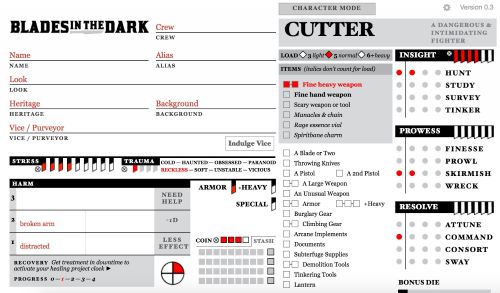
Popularized by games like Blades in the Dark and Dungeon World, playbooks are pre-structured character archetypes that bundle together key decisions: attributes, gear, special moves, and even personality prompts. Making each character feel distinctive and unique. They let players jump into the action fast, without sacrificing the creativity and individuality that make roleplaying so engaging.
But playbooks aren’t just great for steampunk heists or fantastical dungeon crawls—they’re also an incredible tool for leadership-focused RPGs and team training games like my own Play2Lead.
What Makes Playbooks Powerful?
At their core, playbooks do three key things:
- Simplify Decision-Making: Instead of choosing from dozens of classes, feats, skills, and powers, players select a playbook and make a few meaningful choices within it. This lowers the cognitive load and keeps the game moving, while still making character creation meaningful.
- Set Expectations: A Cutter in Blades in the Dark is likely to be physical, intimidating, and direct. The playbook leads the player in that direction through the choices that it offers. clarity like this really helps players quickly understand their role in the team and how they might contribute.
- Encourage Roleplay: Many playbooks include bonds, questions, or prompts that nudge players into thinking about how their character sees the world—and how they’ll interact with the rest of the group.
These features combine to create a quicker, smoother onboarding process—perfect for groups who want to dive into the action or get through a session during a lunch break.
How Character Playbooks Can Elevate Play2Lead
In my own game Play2Lead, the focus is on leadership, communication, and teamwork in a roleplaying context. It’s a game designed to help people learn by doing—to explore different leadership styles, solve complex problems together, and reflect on how they interact in a group. Currently character creation sits with a broad occupation, leadership style and one stat (exhaustion). Using playbooks might be a quick way for participants to engage with the game and understand what’s expected of them during play.
Here’s how playbooks can serve that mission:
- Align with Leadership Styles: Playbooks in Play2Lead could represent leadership archetypes: The Visionary, The Facilitator, The Challenger, The Harmoniser, etc. Each one comes with strengths, blind spots, and a unique way of contributing to the team.
- Jumpstart the Game: With predefined goals, triggers, and interpersonal dynamics, players can hit the ground running. This is especially helpful in one-shot sessions or corporate workshops where time is limited. You could also include a differing objective for each player, letting them work through conflict and compromise.
- Create Teachable Moments: By embedding questions like “What do you do when your suggestion is ignored?” or “How do you handle team conflict?”, playbooks can gently guide players into valuable moments of reflection and growth.
Overall including a playbook system in Play2Lead is a great way to create more depth into the scenarios. Now instead of just trying to escape the Lost Temple, we can include interparty conflict and different objectives that better reflect teams in the real world.
Using Playbooks with Traditional D&D-Style Games
Playbooks aren’t exclusive to narrative indie RPGs—they can be layered onto more rules-heavy systems like Dungeons & Dragons to help get new or time-strapped players into the story faster. Imagine starting a D&D one-shot where the group is a squad of mercenaries. Each player picks a playbook with questions like:
- The Veteran (Fighter/Leader) – “Who saved your life once, and what do you owe them?”
- The Scout (Rogue/Observer) – “What truth have you discovered that no one else believes?”
- The Mystic (Cleric/Wild Card) – “What vision haunts your dreams, and how does it shape your choices?”
These pre-framed characters help players understand not only what their characters can do, but also who they are, and why they’re involved in the mission. You don’t need to rewrite the D&D rulebook—just wrap character choices in storytelling scaffolding that speeds things up and adds emotional depth.
For inspiration, Simon Carryer has developed some great playbooks for older versions of D&D, check them out here.
Making Your Own Playbooks
Creating your own playbooks is easier than it sounds. Think of it like designing a template that sparks imagination while setting clear boundaries. Here’s a quick method:
- Define the Role: What job does this character do in the team? What are they responsible for?
- List Core Abilities: Pick 2-3 key strengths. Keep the wording accessible: “You keep the group calm in crisis” is better than “+2 to Persuasion.”
- Add Unique Moves or Perks: Give each playbook one or two special abilities or tools that make them distinct.
- Prompt Player Reflection: Include a few questions about values, goals, or backstory. These help the player bring the character to life in their own way.
- Include Interpersonal Hooks: Write 2-3 “bonds” or connections to other team members. These generate immediate relationships and drama.
Final Thoughts on Character Playbooks
Playbooks are more than shortcuts—they’re powerful frameworks for story and chartacter depth. Whether you’re sneaking through a haunted city in Blades in the Dark, solving a leadership challenge in Play2Lead, or running a team-building D&D session, playbooks help players connect quickly, act decisively, and reflect meaningfully.
So next time you’re planning a game—whether for fun, training, or both—consider developing some playbooks. You’ll be amazed at how fast your players step into the story and start leading.