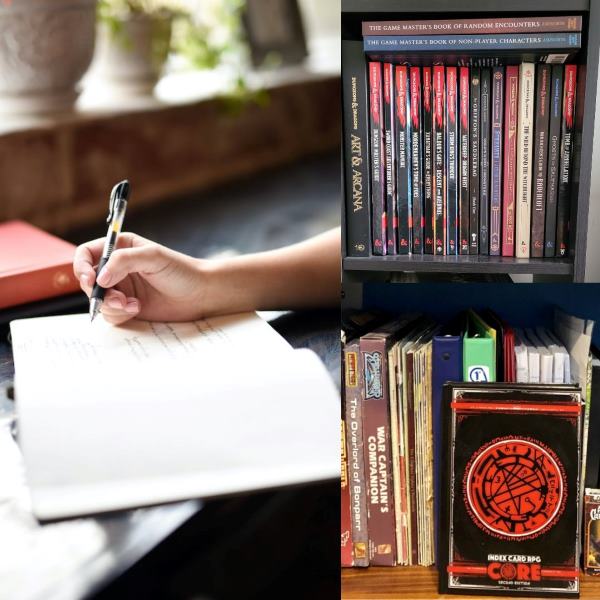

The Role of a Dungeon Master: Unleashing the Magic of D&D

In the realm of Dungeons and Dragons, there exists a pivotal figure, a storyteller, and a guide. Who weave together narratives, creates worlds, and oversees the adventures of the players. This master of ceremonies is known as the Dungeon Master (DM). (Sometimes referred to as Game Master or Keeper). A title that carries immense responsibility and requires a unique set of skills. In this post, we explore the role of Dungeon Master, what they do, and the skills they need to excel in this captivating position.

For those discovering this blog without any RPG experience I want to explain this role. It becomes important as we progress in this journey of D&D at work. A skilled DM is essential to running learning RPGs in the workplace. Additionally, the attributes of a good DM mirror many of those displayed by great leaders.

What is a Dungeon Master?

At its core, a Dungeon Master is the creative force behind a tabletop roleplaying game. The DM serves as the game’s referee, narrator, and facilitator. Orchestrating the unfolding story, designing the world and its inhabitants. While simultaneously mediating the actions and decisions of the players’ characters is juggled at the table. Many believe the DM is in opposition to the players. But nothing could be further from the truth. Championing the players actions, rooting for them to win and encouraging their creativity is all part of this diverse role.

Unfortunately seeming complexity of the role puts many people off. As such, DMs are much harder to find than players. However, in my opinion there is no better place to hone your leadership skills, while simultaneously facilitating engaging and exhilarating experiences for your friends. Let’s dig into the duties and skills that this role requires.

The Duties of a Dungeon Master

  1. Worldbuilding and Narrative Design: One of the primary responsibilities of a Dungeon Master is crafting an immersive and engaging world for the players to explore. This involves designing landscapes, cities, dungeons, and populating them with unique characters, creatures, and lore. The DM establishes the setting’s tone, atmosphere, and overarching story, while also leaving room for player agency and improvisation.
  2. Rule Arbitration: Tabletop roleplaying games operate on a set of rules and mechanics that govern the gameplay. The Dungeon Master ensures that these rules are understood and applied correctly, acting as the final authority on interpreting and enforcing them. A skilled DM strikes a balance between adhering to the rules and allowing for flexibility to keep the game flowing smoothly.
  3. Non-Player Characters (NPCs) Management: NPCs are the inhabitants of the world created by the Dungeon Master. As the players interact with these characters, the DM must portray them convincingly, giving them distinct personalities, motives, and behaviors. This requires the ability to improvise dialogue and make quick decisions, embodying a multitude of unique personas.
  4. Encounter Design and Balancing: The DM is responsible for designing encounters that challenge the players, including combat encounters, puzzles, and social interactions. They must consider the capabilities and preferences of the players’ characters while maintaining a level of difficulty that keeps the game exciting without being overwhelming. Balancing encounters requires careful planning and adapting on the fly to keep the game engaging.
  5. Improvisation and Adaptability: No matter how meticulously a DM plans, players will inevitably surprise them with unexpected choices and actions. The ability to think on their feet, adapt the story and encounters, and seamlessly incorporate unforeseen events is a crucial skill for a Dungeon Master. Improvisation adds an element of surprise and unpredictability, making the game dynamic and captivating.

The Dungeon Master is a pivotal part of the game.

Skills of a Masterful Dungeon Master

  1. Storytelling: A Dungeon Master should possess a creative and vivid imagination, capable of spinning captivating tales and engaging narratives. The ability to craft a compelling story that enthralls the players is fundamental to the role.
  2. Communication: Strong communication skills are essential for a Dungeon Master. They need to clearly articulate descriptions, engage players in roleplaying, and provide guidance during gameplay. Effective communication helps set the tone, convey information, and maintain a positive and inclusive gaming experience.
  3. Organization and Preparation: A successful Dungeon Master invests time and effort in preparation. From creating detailed notes and maps to organizing game sessions and tracking campaign progress, being organized ensures smooth gameplay and coherent storytelling.
  4. Patience and Flexibility: Players may approach the game with varying levels of experience and playstyles. A DM must possess patience and the ability to adapt to different player needs, ensuring everyone has an enjoyable experience. They should be open to feedback, willing to adjust their plans, and capable of handling unexpected situations gracefully.
  5. Problem Solving: A Dungeon Master encounters various challenges, such as resolving conflicts between players, designing puzzles, or finding solutions to unexpected outcomes. Strong problem-solving skills help navigate these situations, finding creative and fair resolutions that maintain the flow of the game.

Final Thoughts

The role of a Dungeon Master is a unique and rewarding one, demanding a diverse skill set and a passion for storytelling. Their ability to create immersive worlds, guide players through thrilling adventures, and adapt to unexpected twists and turns is what makes tabletop roleplaying games an unforgettable experience. Whether they are crafting intricate narratives or facilitating epic battles, Dungeon Masters are the maestros behind the scenes. The conductors of the magic that unfolds around the gaming table.

Look at the two lists again. But instead of thinking in game terms use a leadership lens. Most of the duties and skills directly port into those associated with strong leaders. I would argue that honing your DM skills also lets you refine your leadership skillset. But I think that topic will be the subject of a future post.

The Power of the Party: Collaboration in D&D

Collaboration is a fundamental element of success in both the immersive world of Dungeons and Dragons (D&D) and the dynamic world of business. A huge amount of the fun gained from playing the game is working together to overcome obstacles. Likewise, significant satisfaction at work can be gained from being part of a high performing team. Today, we explore the significance of collaboration in D&D and its application to business professionals. We delve into the principles of teamwork, and fostering a collaborative culture that drives success in both the realms of play and work.

The Heart of Collaboration in D&D

D&D is a cooperative game that requires players to work together towards common goals. While each player has a character with special skills and abilities, successful D&D parties understand the importance of collaboration. Pooling individual strengths, skills, and resources to overcome challenges lets the group overcome seemingly insurmountable odds. Through shared decision-making, strategic planning, and effective communication, players experience first-hand the transformative power of collaboration. In fact they live it, every time they play.

Effective Communication and Active Listening

Collaboration thrives on effective communication and active listening. In D&D, players must communicate their intentions, share information, and coordinate their actions with the team. The synergies between characters can only be discovered and acted upon through effective communication and listening. This experience hones the players ability to express ideas clearly, actively listen to others, and ensure that everyone is aligned and informed.

A skilled DM can create experiences where time pressures and the environment inhibits communication. I’ve been there. Our party had carefully planned an infiltration of a bandit camp. But we fell into an ambush. Pressure was on, decisions had to be made quickly. We completely forgot the plan and the session descended into chaos. Of course, this made for a fun experience a the table. But also served as a great learning for me about working and communicating as a team under pressure.

Such communication skills are indispensable in the business world, where effective collaboration relies on open and transparent communication among team members. An organization wont survive without it. Clear, Concise, Communication is key in getting information from the leadership to the frontline and back again.

Synergy and Leveraging Individual Strengths

In D&D, each player assumes a unique role and character class, bringing diverse strengths and abilities to the party. These can be anything from a spell slinging mage, stalwart fighter or a sneaking rogue. Collaboration involves recognizing and leveraging these individual strengths to maximize overall performance. Parties who excel in D&D understand the importance of synergy, coordinating actions and combining abilities to achieve extraordinary results.

Similarly, in business, collaborative teams recognize and capitalize on the diverse strengths of their members. Fostering an environment where everyone’s contributions are valued and utilized to their full potential is key. Good leaders recognize this strength in diversity and build teams accordingly.

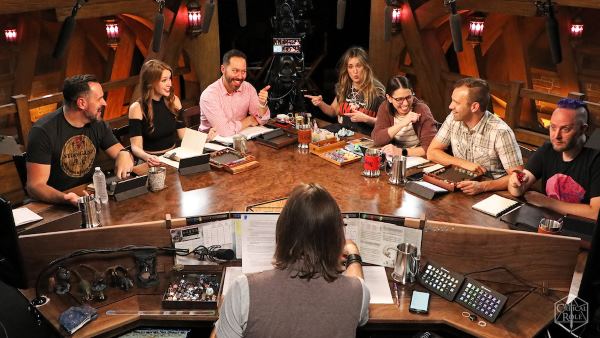
Critical Role – D&D collaboration on steroids. Not only collaborating in game, but also in the production of their show. A great example of D&D porting into the business world!

Shared Decision-Making and Consensus Building

Collaboration in D&D extends to shared decision-making. In most games there is no party leader. Instead, players must discuss options, consider different viewpoints, and reach consensus on the best course of action. This process encourages active participation, fosters a sense of ownership among party members, and enhances the quality of decisions. In turn, this makes sure players feel part of the group and enjoy the session.

Likewise, in the business world, effective collaboration relies on shared decision-making. Regardless whether there is a leader or not, strong collaborative teams should regularly have input into the decision making process. Team members who contribute their insights, expertise, and perspectives help deliver well-informed and collectively supported decisions.

Problem Solving and Creative Collaboration

D&D adventures present players with complex problems and puzzles that require collaborative problem-solving. Often these problems involve pressure: crack the code as the monstrous horde descends, steal the gem without waking up the behemoth, or unlock the door before the room fills with quicksand. Failure can have significant impact on the campaign world or mean the loss of a party member. Parties must think critically, analyze situations from various angles, and develop innovative strategies to overcome obstacles. This encourages creative collaboration, where ideas are shared, refined, and built upon to find the most effective solutions.

Translating this to business, collaborative teams can tackle challenges with agility, harnessing the collective intelligence and creativity of the group to drive innovative solutions. Successes and failures at the gaming table can really nurture these skillsets

Fostering a Collaborative Culture

In D&D, successful parties cultivate a collaborative culture that encourages trust, respect, and inclusivity. They celebrate individual successes, support each other through setbacks, and foster an environment where everyone feels valued and empowered to contribute. You can spot a successful party a mile off. The table is having fun being supportive and getting joy from playing together. This collaborative culture drives motivation, engagement, and the collective pursuit of success.

Business organizations spend a lot of money trying to foster a similar collaborative culture. Creating an atmosphere where teams thrive, ideas flow freely, and individuals are inspired to collaborate and innovate, lets them achieve remarkable results. I believe D&D could really help teams grow this culture.

Final Thoughts on Collaboration

Collaboration is a cornerstone of success in both Dungeons and Dragons and the business world. By embracing effective communication, leveraging individual strengths, fostering synergy, engaging in shared decision-making, nurturing creative problem-solving, and fostering a collaborative culture, teams can unlock the transformative power of collaboration. The lessons learned at the table playing D&D—working together towards common goals, harnessing diverse strengths, and fostering a collaborative mindset—empower individuals and teams to excel in the complex and dynamic landscape of business.

Have you ever thought of your teams through some D&D scenarios to get them collaborating better?

5 Secrets Essential for Every Learning RPG

Role-playing games (RPGs) have long captivated our imaginations, allowing us to embark on epic adventures and explore fantastical worlds. However, they can offer more than just entertainment. They also serve as powerful tools for learning and personal development. In particular, an RPG ruleset designed with a focus on leadership learning can provide players with valuable opportunities to enhance their decision-making, critical thinking, and ingenuity. In this post, I explore the key principles required for an RPG ruleset that enables leadership learning, while ensuring simplicity, adaptability, and a limited complexity for easy comprehension and application.

Ideally a ruleset of this nature can be used with professionals who know nothing of roleplaying. It should be learned fast and not get in the way of the learning experience.

Simplicity in Under 5 Minutes

An effective leadership-oriented RPG ruleset should be easily understood within a short timeframe, ideally within five minutes. Clear and concise rules ensure that players can quickly grasp the fundamental mechanics of the game, allowing them to focus on developing their leadership skills rather than getting bogged down in complex rulebooks. By providing a straightforward framework, players can immerse themselves in the game world and concentrate on making meaningful decisions.

This also means keeping the dice types simple. Although I love the polyhedral dice used in D&D (I own far too many), it adds a level of complication to the game that isn’t needed. Instead, we know most people will be familiar with the six-sided dice. Most family board games have them. Keeping that familiarity is a good way to remove the barriers of entry for new players.

Limited Complexity – Rules Lite

To foster a focus on leadership development, the ruleset should be “rules lite.” This means avoiding unnecessary complexity and heavy reliance on intricate mechanics that plague many RPGs. By stripping away excessive rules, the game encourages players to think creatively, adapt to various situations, and make decisions based on critical thought. This is much better than relying solely on dice rolls or random chance. A rules lite approach empowers players to take ownership of their characters and their choices, fostering a sense of agency and leadership.

Critical Thought over Dice Rolls

Chance and randomness have their place in RPGs. However, a leadership-oriented ruleset should prioritize decision-making based on critical thought rather than relying solely on dice rolls. This approach emphasizes the development of strategic thinking, problem-solving skills, and evaluating consequences. By encouraging players to analyze situations, consider alternative approaches, and weigh risks and rewards, the ruleset cultivates leadership qualities such as foresight, adaptability, and effective decision-making.

Force the players to use their minds, keep dice rolling to a minimum.

Keep dice rolling to a minimum

Adaptability Across Genres and Situations

A versatile leadership-focused RPG ruleset should be easily adaptable to various genres and situations. By providing a flexible framework, players can explore diverse settings, from medieval fantasy realms to futuristic space colonies or even contemporary corporate environments. This adaptability allows players to transfer their leadership skills and strategies from one context to another, expanding their ability to lead and navigate different challenges effectively.

This means that you can choose the genre that best fits the team. In the corporate setting there may be a preference to keep scenarios contemporary. However, pushing the team into a new genre might be the key to unlocking untapped creativity. For example running a team of environmental scientists through a scenario involving a crashing spaceship may get them to react in ways that differ from their normal working day.

Fostering Ingenuity

One of the most captivating aspects of RPGs is the freedom they provide for creative problem-solving and ingenuity. An effective leadership-oriented ruleset should encourage players to think outside the box, rewarding innovative solutions and approaches. By providing a supportive environment for experimentation and rewarding ingenuity, the ruleset fosters leadership qualities such as adaptability, resourcefulness, and the ability to inspire and motivate others.

Your learning RPG ruleset needs to foster ingenuity

Final Thoughts

Incorporating a leadership learning focus into an RPG ruleset offers a unique and engaging way to develop essential skills and qualities. By adhering to the principles of simplicity, limited complexity, critical thought over dice rolls, adaptability, and fostering ingenuity, such a ruleset can create an immersive and transformative experience for players. Whether you aspire to enhance your decision-making abilities, refine your critical thinking skills, or become a more effective leader, engaging with an RPG ruleset designed for leadership learning can provide a rewarding journey of growth and development.

In future posts I will use these principles to develop a ruleset for leadership development. My mind is already bubbling away with ideas and I’m excited to see where this will lead.

Are there any other principles that should be incorporated?