
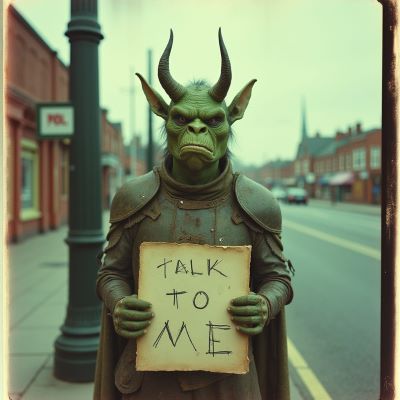
Dungeons & Dragons is well known for their monsters, deadly dungeons, dice, and epic quests. But beneath the fantasy façade and gameplay lies a much more grounded and essential skill: communication. It is a core component of the game that often gets forgotten. Every great session—whether it ends in victory, tragedy, or total chaos—relies on how well players talk to each other.
Whether you’re trying to convince a goblin to let you pass, hatching a heist plan with your party, or simply deciding which door to open, communication is the beating heart of the game. And the best part? The skills you sharpen at the table can make you a better communicator in real life.
What Does Communication in Dungeons and Dragons Look Like?
When immersed in a roleplaying game, you’re constantly navigating a web of spoken and unspoken cues. Here are a few key types of communication that show up regularly:
- In-character (IC) Communication: Talking as your character to persuade, joke, threaten, or connect with others in the story. This includes the monsters NPCs and other players characters.
- Out-of-character (OOC) Communication: Clarifying rules, strategizing, or checking in with other players and the GM.
- Nonverbal Communication: Tone, facial expression, and body language play a big role in reading the room and guiding the story.
- Table Etiquette: Knowing when to speak, when to listen, and how to support others’ ideas without steamrolling the game.
Every player brings a unique communication style to the table. Some are assertive, diving in with bold ideas and fast talk. Others are more reflective, choosing their words carefully or letting their actions speak. There’s no single “correct” style—but learning to recognize and adapt to different styles is a game-changing skill.
Communication Styles at the Table
As alluded to above, everyone has a different communication style. As such it’s important to remember that your own preferences may not be the same as the others playing the game with you. Here are some of the styles that you might find at your table:
- The Storyteller: Brings emotional depth and vivid description, but may sometimes need help making space for others.
- The Strategist: Great at planning and analysis, but might benefit from checking in with quieter players.
- The Diplomat: Mediates conflicts and reads the room well, though they may hesitate to take strong stances.
- The Improviser: Thrives on spontaneity and creativity, and can bring a lot of energy—sometimes at the cost of clarity.
Understanding your own communication style—and those of your fellow players—helps the whole table work better as a team.
As an aside, I’ve got all the above in the groups I currently play in. And on a personal note, I suspect I lean towards the Diplomat.

How to Practice and Improve Communication in Dungeons and Dragons
It’s important to improve your communication and D&D is the perfect mechanism to do that. Here are a few ways to build stronger communication skills through play:
- Practice Active Listening
Don’t just wait for your turn to speak—show you’re engaged by responding to what others say, asking clarifying questions, and riffing off their ideas. - Share the Spotlight
If you tend to lead, look for chances to pass the mic. Invite others to speak or build off their contributions to encourage group storytelling. - Use “Yes, and…” Thinking
Adapted from improv theatre, this technique involves accepting what another player says and building on it. It helps create momentum and collaboration. For some improvisation tips check out my post. - Check In Out-of-Character
If a scene gets intense, or if you’re unsure how your actions are being received, take a moment to check in. A simple “Is this okay?” goes a long way. - Be Clear About Your Intentions
Especially in complex scenarios, stating what you want to do and why (both IC and OOC) can prevent miscommunication and keep everyone aligned. - Reflect After Sessions
Take five minutes to ask what went well, what felt awkward, and what could be improved. Honest, low-stakes feedback strengthens the group over time.
What This Means for Real Life
Of course, the communication skills you develop playing D&D are incredibly transferable. Think about your communication styles in the following:
- Workplace: Collaborative storytelling hones your ability to lead discussions, listen actively, and negotiate competing ideas—a daily reality in most teams.
- Friendships and Relationships: Roleplaying helps you practice empathy, read emotional cues, and express yourself more clearly.
- Public Speaking: If you’ve ever narrated a dramatic monologue in front of your party, you’ve already started building stage presence and confidence.
- Conflict Resolution: Navigating disagreements at the table (about rules, decisions, or character choices) builds skills for resolving tension without drama.
Talk More, Play Better
Communication in Dungeons and Dragons turns a merely good session into a fantastic one. By paying attention to how we speak, listen, and collaborate, we create richer stories and stronger teams. And when the dice are packed away and the character sheets closed, those same skills come with us—into the workplace, the home, and everywhere else life takes us.
So next time you sit down to play, remember: the most powerful tool in your inventory might just be your voice.