Beating Dungeon Masters Block: How to Get Unstuck

When you’ve been running a lot of D&D, you’re sure to have experienced Dungeon Masters Block. We’ve all been there. You’re staring at your notebook or blinking cursor, trying to prep for the next D&D session. But your brain feels empty—no monsters, no loot, just cold stone and echoing silence. It can feel extremely disheartening.

Whether you’ve been running a long campaign and you’re feeling burnt out, or you’re just stuck on how to start the next arc, here’s the good news: you’re not a bad DM. You’re just human. In this post we’ll look at some practical ways to deal with the block and find your creative spark again.

Zoom Out and Revisit the Big Picture

Sometimes Dungeon Masters block comes from getting too caught up in the small stuff—stat blocks, maps, NPC voices. Take a step back and ask:

  • What’s this adventure really about?
  • What do I want my players to feel in the next session?
  • Where is the story headed, even roughly?

You don’t need a five-session plan. Just one or two emotional or narrative beats you’re aiming for can unlock your creativity.

Steal with Pride

Good DMs borrow. Great DMs steal and make it their own. If you’re stuck, go mining popular culture for ideas:

  • Flip open a random page in a published adventure.
  • Rewatch a fantasy show or movie and pick a small scene to adapt.
  • Scroll through Reddit’s /r/DnDBehindTheScreen or your favorite blog.
  • Pull a random monster or magic item and build a scene around it.

You don’t need an original idea—just an idea. Put your own spin on it, and suddenly it’s yours. I talk about using books and movies for inspiration in my article here.

Talk to Your Players

Seriously. Ask them what they’re enjoying, what they’re curious about, and what they want more of. You don’t need to give away your secrets, but a little feedback can reenergize you. Sometimes the thing that’s blocking you—“Where should this arc go next?”—is something your players already have strong opinions on.

Let them help you build the next step. Get them to define their party and character goals and use this as fuel to design the next session.

Use a Creative Constraint

It may seem counterintuitive, but giving yourself a limitation can actually spark new ideas. I’ve found that giving myself strict themes for a session can really help me get creative. These can anything from ice or fire, betrayal or espionage. Placing a constraint seems to open up all sorts of possibilities.

Try one of these:

  • “I can only use one monster from the CR 3 section of the Monster Manual.”
  • “The entire next session takes place in one tavern.”
  • “There’s a ticking clock—something catastrophic happens in three in-game hours.”

Constraints force you to be inventive, and they’re often the source of the most memorable sessions.
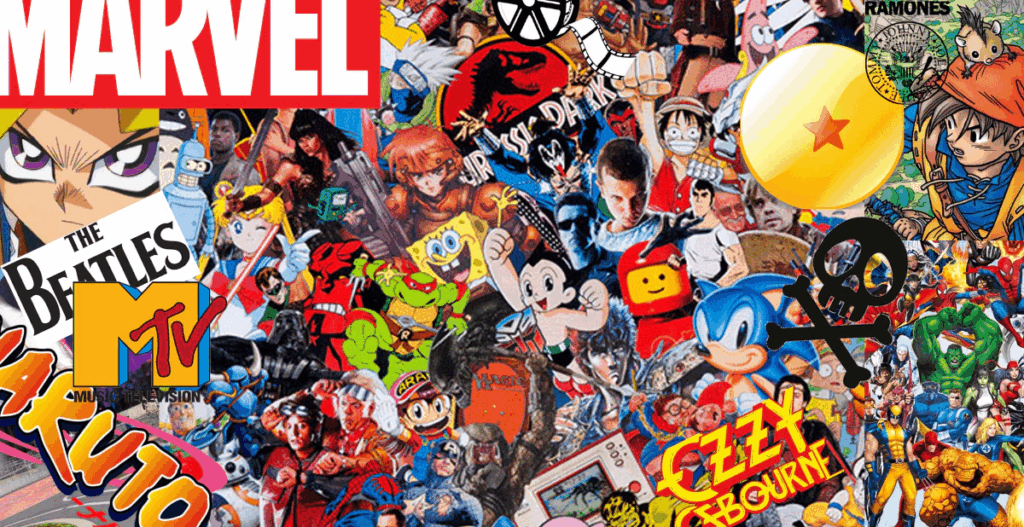
Pop culture can be a good source of inspiration to help break Dungeon Masters Block.

Embrace Improvisation

If prep is what’s blocking you, maybe you don’t need as much of it. Set up a strong opening scene, prep a few likely NPCs, and jot down some vague consequences. Then trust yourself to run with it. You know your world and your players better than you think. For some tips on improving your improv check out my article on the subject.

Sometimes the best cure for DM’s block is just playing again. Riffing off the players actions, laughing, rolling dice and having fun can give you back the creative energy that you feel you’ve lost.

Take a Break—and Let Someone Else Run

It’s okay to need time off. If you’re running every week and you’re hitting a wall, ask a player to run a one-shot. Switch systems. Try a board game night. Recharge your creative batteries. I do this fairly regularly. It lets you have a chance to be a player again and experience different games and systems.

Even a single week off can give you a fresh perspective—and a new appreciation for your own campaign.

Remind Yourself of the Why

Why did you start this campaign in the first place?

  • Was it to tell a story you love?
  • Build a world from your imagination?
  • Watch your friends turn chaos into adventure?

Whatever the reason, go back to that. Your “Why” (hello, Simon Sinek!) can rekindle your passion—and help you find your next step.

You’ve Got This

Remember, Dungeon Masters block doesn’t mean you’re failing. It just means you need a new angle, a breather, or a bit of help. That’s all part of the process. All DMs go through it at some point in their D&D career. So be kind to yourself. Pick one of these ideas, try it out, and trust that the spark will come back.

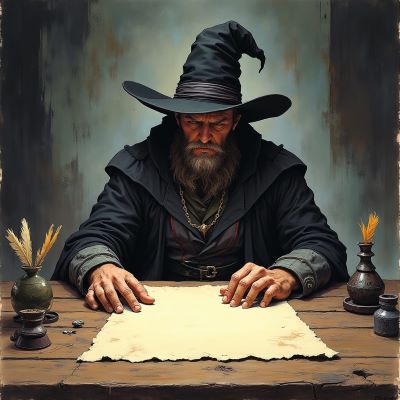
After all, you’re the one who turned a blank page into an exciting world of adventure once before.

You’ll do it again.

Secrets Behind the Screen: What Does a Dungeon Master Do?

In the Dungeons & Dragons (D&D) role-playing game, the Dungeon Master (DM) is the game organizer and participant in charge of creating the specifics and encounters of a game session, while maintaining a realistic continuity of events.

If you’ve ever found yourself enchanted by the world of tabletop roleplaying games, you’ve likely heard whispers of the enigmatic figure known as the Dungeon Master. But what exactly does a Dungeon Master do, and how can you embark on this thrilling journey yourself? Let’s delve into the depths of this captivating role and uncover some tips for aspiring DMs.

Deciphering the Dungeon Master’s Role

At its core, the Dungeon Master serves as the architect, narrator, and referee of the game experience. Here’s a closer look at the multifaceted responsibilities that come with the title:

1. World Building

One of the DM’s primary duties is to craft a rich and immersive world for players to explore. From sprawling cities to treacherous dungeons, every corner of the realm is yours to shape and mold.

2. Storytelling

As the master storyteller, you’ll weave together narrative threads, concocting tales of heroism, intrigue, and peril. Your words breathe life into the world, painting vivid pictures that captivate the imaginations of your players.

3. Roleplaying

Channeling a cast of colorful characters, both allies and adversaries, is a cornerstone of the DM’s role. From grizzled mercenaries to cunning villains, you’ll don a variety of hats to bring the world to life.

4. Rule Adjudication

While the rulebooks provide a framework for gameplay, it’s the DM’s duty to interpret and enforce these rules. Whether resolving disputes or improvising on the fly, you’ll act as the final arbiter of the game’s mechanics.

5. Fostering Creativity

Above all else, the DM is a catalyst for creativity, inspiring players to embark on epic adventures and forge unforgettable memories together.

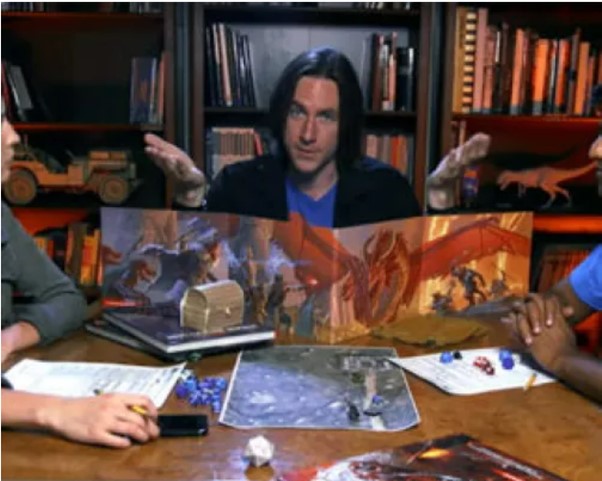
Matt Mercer is a world renowned DM, but don’t be put off, he’s had decades of experience at the table and as an actor.

Tips for Getting Started as a Dungeon Master

I remember returning to DMing after a long break. It felt daunting and nerve wracking. But as soon as we started and I could see that all of us were having fun all my fears evaporated. While not easy, embarking on your journey as a Dungeon Master is extremely satisfying and worthwhile. With a bit of preparation and a sprinkle of courage, you’ll be well on your way to crafting legendary tales. Here are some tips to help you get started:

1. Start Small

Begin with a simple one-shot adventure or pre-made module to familiarize yourself with the basics of DMing. As you gain confidence, you can gradually expand your repertoire and tackle more ambitious campaigns.

Don’t worry too much about world building. Beginning with a small village with a haunted castle nearby is enough to start with. You can then expand your world together with the players as you go.

2. Know the Rules (But Don’t Be Afraid to Bend Them)

Familiarize yourself with the rules of your chosen game system, but don’t let them constrain your creativity. Remember that storytelling takes precedence, and it’s okay to bend or modify rules to serve the narrative.

During my 5 + years D&D campaign I relied heavily on the players knowledge of the rules. If I didn’t know I’d ask. As DM, I still had the final word on a rule. However, playing this way definitely made the game feel even more collaborative. So don’t worry if you don’t know the rules word for word.

3. Embrace Improvisation

No matter how meticulously you plan, players will inevitably throw curveballs your way. Embrace the chaos and hone your improvisational skills, ready to adapt and react to unexpected twists and turns.

In fact, this happens to me every single session. It’s all part of the fun. Not knowing what’s going to happen makes the game even more exciting for the DM and players alike.

4. Communicate with Your Players

Establish open lines of communication with your players, soliciting feedback and addressing any concerns or expectations they may have. Collaborate with your group to ensure everyone is on the same page and having fun.

A good friend of mine periodically sends his players surveys. This lets him capture direct feedback from the players away from the table. He then adjusts his game removing any niggles that the players might have. This is something I’m intending to do for my own games in the near future.

5. Learn from Experience

Like any skill, mastering the art of Dungeon Mastering takes time and practice. Don’t be discouraged by setbacks or mistakes. Instead, view them as learning opportunities to grow and improve as a storyteller.

I’ve made lots and lots of mistakes as a DM. But we’re all there to have fun. As such my players are all very forgiving. Remember, everyone at the table has a role in making the game enjoyable and memorable. It doesn’t fall on the shoulders of the DM alone.

Final Thoughts on Dungeon Mastering

For me there is nothing more satisfying and rewarding than running the game. Helping spark players creativity and helping lead them through adventures is a fantastic experience. As I’ve shown above it’s not that difficult to get started. Grab a rulebook or started set, a couple of interested friends and you’re off.

What’s holding you back from giving it a go?