
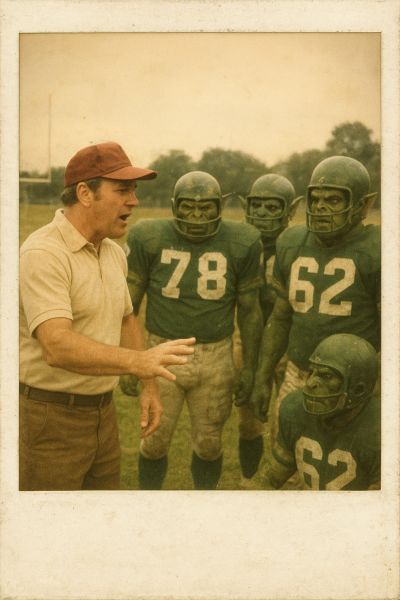
Coaches can be an important part of every leaders journey. They help the leader reflect and learn from their experiences. My personal leadership journey has greatly benefitted from both informal mentors and formal coaches. In fact, I still catch up with a coach regularly to reflect on my own leadership. These conversations have really helped me step out of the day to day and see my leadership from a broader perspective. As a leader it is beneficial to gain coaching skills to help your own staff reflect on their own journeys. Interestingly, I believe that coaching skills can be learned within Dungeons and Dragons, hidden within the game’s innate storytelling and teamwork. Whether you’re sitting behind the Dungeon Master’s screen or playing as a character, D&D creates countless opportunities to guide, support, and unlock the potential of others—exactly what effective coaching is all about.
Coaching in the Dungeon
As I’ve discussed before, in D&D, success rarely comes from one hero acting alone. The party needs to share ideas, coordinate strategies, and support each other through challenges. This collaboration creates a natural environment for coaching moments. Here are a few examples:
- Encouraging quieter voices: A player who hesitates to speak up can be brought into the conversation by gentle prompts—“What does your rogue think about this plan?”—mirroring how a leader ensures all team members contribute.
- Asking guiding questions: Instead of dictating solutions, you can ask your fellow players questions that help them find their own answers. “What would your character want to do here?” is not far from “What do you think the best next step for this project is?”
- Building confidence: Just like a Dungeon Master might celebrate creative problem-solving, leaders can acknowledge small wins that encourage team members to take on bigger challenges.
Coaching Lessons at the Table
I must caveat the following with he fact that I am not a coach, but i have benefitted greatly through being coached. I am also purposeful in trying to use coaching techniques with both my own team members and D&D table. Through roleplay and problem-solving, you learn practical coaching behaviors. Here are a few to consider at your next session:
- Active Listening: D&D demands attention. A missed detail could mean falling into a trap, and in leadership, missing someone’s concern can erode trust. Listening closely to others’ words—especially what’s between the lines—builds empathy and understanding.
- Empowerment Over Direction: In-game, it’s tempting to tell others what the “best move” is. But the best D&D sessions happen when everyone feels ownership of their choices. Leaders, too, unlock the best results by empowering rather than directing.
- Creating Safe Spaces for Experimentation: A D&D table is a place where failure isn’t the end, just the next step in the story. Leaders who coach with the same mindset—viewing setbacks as learning opportunities—help their teams grow stronger.
Bringing Coaching from the Table to the Workplace
When you carry these habits into your leadership, you stop being the person with all the answers and start becoming someone who brings out the best in others. This includes:
- Encouraging team members to develop their own solutions.
- Supporting people to step into roles they might not initially feel ready for.
- Helping build a culture where experimentation is valued, not feared.
That’s the essence of coaching. And what’s remarkable is that, for D&D players, this skillset grows naturally through play.
Final Thoughts
Every great adventuring party needs someone who can support, guide, and lift others up. In the same way, every great workplace needs leaders who coach. If you want to practice those skills in a low-stakes, creative, and fun environment, there’s no better training ground than a session of Dungeons & Dragons.
In a couple of weeks I’ll post an article that will explore some practical tips to help get thinking and acting more like a coach.