Long campaigns are amazing for building worlds, deep character arcs, and epic stories—but sometimes you just need a shot of adrenaline. That’s where the one-shot comes in. A one-shot is a single-session adventure designed to start and finish in just a few hours. Done right, it feels like being in a high-octane movie: fast, dangerous, and unforgettable. I’ve talked about the joy of the one-shot in a previous article here. But how do you actually run a great one-shot that lands well? Let’s find out.
Set the Ground Rules
Because one-shots run on tight timeframes, you need to make expectations clear with your group from the beginning:
- It’s short: Everything happens in one session. No dangling plot threads.
- It’s fast: Rules are kept simple; don’t get bogged down in fiddly mechanics.
- It’s dangerous: Character death is on the table. That danger makes choices matter.
Letting your players know upfront that this is not your regular slow-burn campaign gets them invested. Tonight is about pace, energy, and action.
Quick Character Creation (or Pre-Gens)
Time is precious. You don’t want to spend an hour on character creation for a three-hour game. You’ve got two options:
Pre-Generated Characters: Hand players ready-made characters. Give each one a short description and a couple of unique abilities or quirks. Bonus points if you add a little “secret” or motive to fuel roleplay.
Fast Build Rules: Strip character creation down to the essentials: name, a role, a quirk, and what they’re good at. Systems like Those Dark Places, Mothership, or Dungeon World do this brilliantly. Even D&D can be hacked for speed by handing out simplified sheets. Another option would be to provide playbooks to speed up character creation while giving players a meaningful customization.
Aim to have characters ready in 5–10 minutes, max.
Pick a Different Genre
A great one-shot is the perfect excuse to step outside your group’s regular game. If your campaign is fantasy, try a sci-fi horror. If you’re usually running superheroes, jump into pulp mystery. The contrast makes the session feel fresh and exciting.
Changing genre also helps players break free of their usual habits. A D&D rogue might always act a certain way, but suddenly they’re playing a doomed spaceship mechanic or a washed-up detective with different motivations. That fresh perspective fuels creativity.
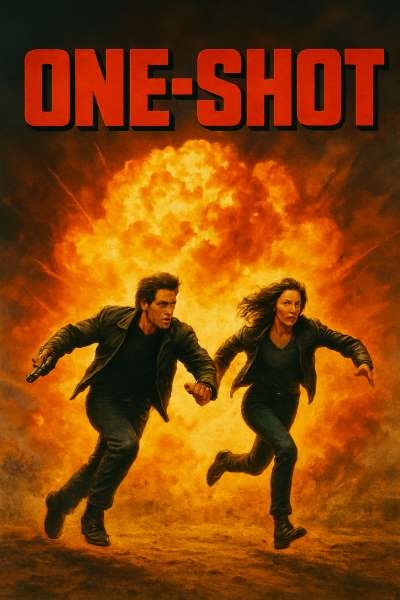
A Great One-Shot is Like a Movie
The best one-shots feel cinematic. Here’s a few ideas to help bring the excitement of the big screen into the game.
- Cold Open: Throw players straight into action—explosions, monsters, a chase. Skip the slow build.
- Middle Twist: Add a big revelation that flips the situation on its head.
- Final Showdown: End with a bang. The danger should feel real, and not everyone has to make it out alive.
If you structure it like a two-hour action movie, the pacing will carry the game.
Keep It High Action & Dangerous
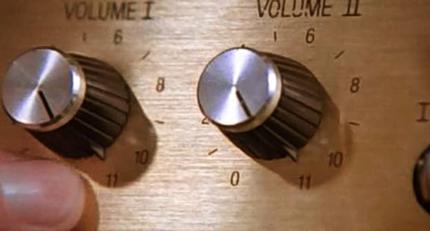
In a campaign, the DM sometimes dials back the risk to preserve story arcs. In a great one-shot, you can crank the danger up to eleven. Encourage bold play and reckless decisions:
- Throw in bigger monsters or threats than you usually would.
- Use time pressure (ticking clocks, collapsing buildings, oxygen running out).
- Say yes to crazy plans—and let the dice decide if they succeed spectacularly or crash in flames.
The point is excitement, not balance.
Tips & Tricks for Smooth Play
Here are a few extra tips to wring the most out of your game:
- Limit prep: Don’t write a novel. Outline three encounters, with a twist and a finale.
- Visual cues: Use props, handouts, or mood music to instantly set the tone.
- Encourage roleplay fast: Give each character one hook or motivation to lean into right away.
- Embrace chaos: Players will do something unexpected. Roll with it—it’s part of the fun.
I tried to incorporate as much of the above as possible in my recent Star Wars themed One-Shot.
Final Thought
Running a one-shot is like directing a blockbuster movie. Keep it lean, keep it moving, and keep it dangerous. By the end, your players should feel like they just went on a wild ride—and you’ll all return to your regular campaign with fresh energy.
So next time a couple of players can’t make your regular session—or you just want to try something new—queue up a one-shot. Lights, camera, dice!