
How to Recruit Players for Your D&D Group

At work right now, I’m involved in a recruitment campaign. I review CVs, help shortlist candidates, and sit in on interviews as we look for the right people to join our team. Of course, technical skills matter. We need people who can do the job. But experience and qualifications are only part of what makes someone successful in a role.

What we are really looking for is cultural fit.

  • Are they passionate about botany or zoology?
  • Are they proactive?
  • Do they volunteer for opportunities?
  • Will they take initiative and get things done without constant direction?
  • Will they work well with the rest of the team?

These are the things that often determine whether someone will truly succeed and enjoy their role long term. The more I have been involved in recruitment at work, the more I have realised that recruiting players for a Dungeons & Dragons group might well be very similar.

Your D&D Group Needs the Right Culture

When people look for new D&D players, they often focus heavily on experience and rules knowledge.

  • Do they know how to play?
  • Have they played before?
  • Do they understand the system?
  • Can they build a character correctly?

Those things can certainly help, but they are not necessarily the most important qualities in a long-term group. The bigger question is whether they fit the culture of the table.

  • Will they get along with the other players?
  • Do they enjoy the same style of game?
  • Are they interested in roleplaying, tactical combat, storytelling, or character development in the same way as the rest of the group?
  • Will they contribute positively to the table dynamic?

A player can learn rules over time. It is much harder to change attitude, engagement, or play style.

Recruit for Long-Term Fit

At work, my goal is not simply to hire someone to fill a position for a few months. Ideally, I want someone who will stay with the company, grow into the role, contribute to the team, and find genuine fulfilment in what they do.

The same applies to a D&D group.

When recruiting a new player, you are not just trying to fill an empty chair at the table. You are looking for someone who will become part of the group long term. Someone who contributes to the stories, the friendships, and the overall experience of the campaign.

Thinking back to my most successful campaigns, it’s group dynamic that really made them tick. So it is absolutely worth taking the time to protect it.

Referrals Can Make a Huge Difference

One thing that often helps in recruitment is referrals from trusted staff members. Recommendations can provide confidence that someone will fit the culture and work well with the team.

Of course the same is true with your D&D group.

Some of the best additions to a gaming group come through existing members. Current players already understand the group dynamic and often know who is likely to fit well with the table’s style and expectations. While referrals are not a guarantee, they can often help avoid many of the issues that come from bringing in completely unknown players.

Where to find new adventurers.

Where to Find New Players

If you cant get any referrals or are starting completely from scratch don’t despair, there are more ways than ever to connect with potential players, both online and in person.

Facebook Groups

Local Facebook groups are still one of the easiest ways to find players. Most cities have tabletop gaming or D&D community groups where people regularly post looking for campaigns.

The advantage of Facebook is that you can often get a sense of someone before inviting them to your table. You can see how they communicate, what sort of games they enjoy, and how they interact with others in the community.

When posting, it also helps to be clear about the type of game you run. Mention things like:

  • Tone of the campaign
  • Frequency of sessions
  • Experience level required
  • Whether the game is roleplay-heavy or combat-focused
  • Expectations around commitment and attendance

Being upfront helps attract players who are genuinely suited to your group.

Reddit and Online Communities

Reddit can also be a useful recruitment tool. Subreddits dedicated to D&D, tabletop RPGs, or local gaming communities often have players actively searching for groups. Online platforms like Discord communities and RPG forums can serve a similar purpose.

The key is not to recruit the first available person immediately. Treat the process carefully. Have conversations first, ask about play style, and make sure expectations line up on both sides.

Local Game Stores

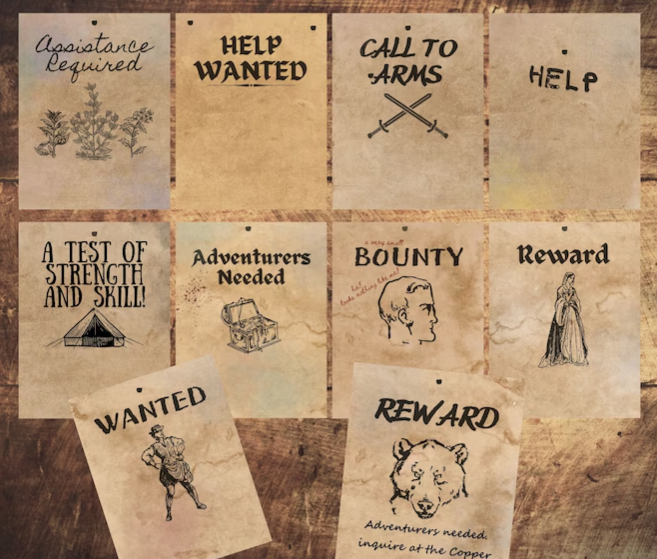
Even in this digital world we live in local game stores are still one of the best places to meet tabletop players. Many stores have noticeboards where you can post flyers or group advertisements. Even a simple poster with your contact details and a short description of the campaign can attract interested players.

Game stores also allow you to meet people face to face before committing to a long campaign. You can often get a much better sense of personality and enthusiasm through casual conversation than through online messages alone.

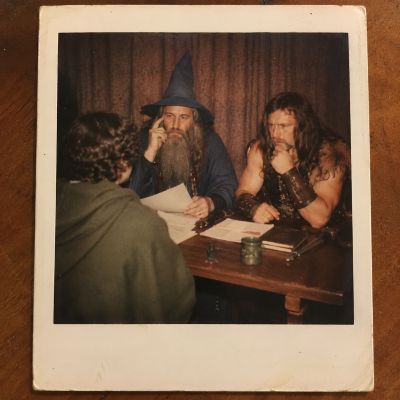
A DnD interview…

Public Gaming Groups

Another excellent option is attending public gaming groups and community events.

Groups that run open or public games are often full of people actively looking for regular campaigns. They also give you the opportunity to actually play with potential recruits before inviting them into your long-term group.

In Western Australia, groups such as DnD Fremantle provide a great way for players and Game Masters to meet others in the local community. Public games can act almost like a trial run, helping everyone work out whether the personalities and play styles fit together naturally.

This approach can often lead to much stronger long-term groups because everyone has already experienced what playing together is actually like.

Take Your Time

Whether it is in the workplace or around a gaming table, finding the right people matters. Rules can be taught. Systems can be learned. Experience can grow over time. But building a strong group culture takes care and patience.

If you want a D&D campaign that lasts for years, with players who genuinely enjoy playing together, it is worth taking your time and recruiting wisely.

How to Run a Great One-Shot RPG

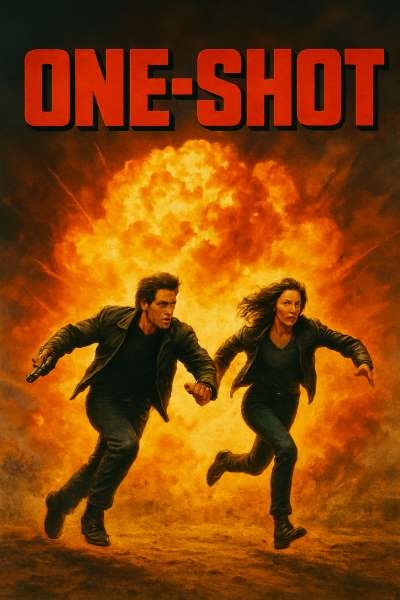
Long campaigns are amazing for building worlds, deep character arcs, and epic stories—but sometimes you just need a shot of adrenaline. That’s where the one-shot comes in. A one-shot is a single-session adventure designed to start and finish in just a few hours. Done right, it feels like being in a high-octane movie: fast, dangerous, and unforgettable. I’ve talked about the joy of the one-shot in a previous article here. But how do you actually run a great one-shot that lands well? Let’s find out.

Set the Ground Rules

Because one-shots run on tight timeframes, you need to make expectations clear with your group from the beginning:

  • It’s short: Everything happens in one session. No dangling plot threads.
  • It’s fast: Rules are kept simple; don’t get bogged down in fiddly mechanics.
  • It’s dangerous: Character death is on the table. That danger makes choices matter.

Letting your players know upfront that this is not your regular slow-burn campaign gets them invested. Tonight is about pace, energy, and action.

Quick Character Creation (or Pre-Gens)

Time is precious. You don’t want to spend an hour on character creation for a three-hour game. You’ve got two options:

Pre-Generated Characters: Hand players ready-made characters. Give each one a short description and a couple of unique abilities or quirks. Bonus points if you add a little “secret” or motive to fuel roleplay.

Fast Build Rules: Strip character creation down to the essentials: name, a role, a quirk, and what they’re good at. Systems like Those Dark Places, Mothership, or Dungeon World do this brilliantly. Even D&D can be hacked for speed by handing out simplified sheets. Another option would be to provide playbooks to speed up character creation while giving players a meaningful customization.

Aim to have characters ready in 5–10 minutes, max.

Pick a Different Genre

A great one-shot is the perfect excuse to step outside your group’s regular game. If your campaign is fantasy, try a sci-fi horror. If you’re usually running superheroes, jump into pulp mystery. The contrast makes the session feel fresh and exciting.

Changing genre also helps players break free of their usual habits. A D&D rogue might always act a certain way, but suddenly they’re playing a doomed spaceship mechanic or a washed-up detective with different motivations. That fresh perspective fuels creativity.

A Great One-Shot is Like a Movie

The best one-shots feel cinematic. Here’s a few ideas to help bring the excitement of the big screen into the game.

  • Cold Open: Throw players straight into action—explosions, monsters, a chase. Skip the slow build.
  • Middle Twist: Add a big revelation that flips the situation on its head.
  • Final Showdown: End with a bang. The danger should feel real, and not everyone has to make it out alive.

If you structure it like a two-hour action movie, the pacing will carry the game.

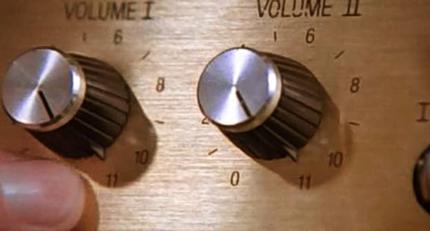
Be like Spinal Tap, dial it up to Eleven.

Keep It High Action & Dangerous

In a campaign, the DM sometimes dials back the risk to preserve story arcs. In a great one-shot, you can crank the danger up to eleven. Encourage bold play and reckless decisions:

  • Throw in bigger monsters or threats than you usually would.
  • Use time pressure (ticking clocks, collapsing buildings, oxygen running out).
  • Say yes to crazy plans—and let the dice decide if they succeed spectacularly or crash in flames.

The point is excitement, not balance.

Tips & Tricks for Smooth Play

Here are a few extra tips to wring the most out of your game:

  • Limit prep: Don’t write a novel. Outline three encounters, with a twist and a finale.
  • Visual cues: Use props, handouts, or mood music to instantly set the tone.
  • Encourage roleplay fast: Give each character one hook or motivation to lean into right away.
  • Embrace chaos: Players will do something unexpected. Roll with it—it’s part of the fun.

I tried to incorporate as much of the above as possible in my recent Star Wars themed One-Shot.

Final Thought

Running a one-shot is like directing a blockbuster movie. Keep it lean, keep it moving, and keep it dangerous. By the end, your players should feel like they just went on a wild ride—and you’ll all return to your regular campaign with fresh energy.

So next time a couple of players can’t make your regular session—or you just want to try something new—queue up a one-shot. Lights, camera, dice!

The Joy of the One-Shot: Give it a Go

When most people think of roleplaying games like Dungeons & Dragons, they think of sprawling campaigns that run for months—or even years. Long-running campaigns are fantastic, but every now and then, it’s refreshing to step off the well-worn path and dive into something shorter, sharper, and wildly different: the humble one-shot.

One-shots are self-contained RPG adventures that begin and end in a single session (or two, at most – I’m looking at you Rich!). And while they might not carry the same narrative weight as a years-long campaign, they come with a kind of joy that is entirely their own.

A Breath of Fresh Air

The first thing a one-shot offers is a shift in tempo, style, and genre. If your regular campaign is a slow-burn epic full of politics, world-saving, and carefully crafted character arcs, a one-shot can throw all that out the window. Suddenly, you might find yourself desperately battling cultists in a forgotten temple, unraveling a noir mystery, or, in my case recently, trying to survive in deep space with something very nasty lurking in the shadows.

This change of pace keeps the roleplaying experience vibrant. It’s like taking a holiday from your main campaign—you’ll return with fresh energy and inspiration.

A Chance for Someone Else to DM

For many groups, the Dungeon Master role is filled by the same person week after week. A one-shot is a great excuse to swap seats. Maybe one of your players has been itching to try DMing but doesn’t want the responsibility of running a campaign. A one-shot is the perfect low-stakes playground to give it a go.

Even if you’re the regular DM, you’ll find it refreshing to step into a player role for once, rolling dice for your own character instead of a horde of goblins. Seeing the game from the players perspective gives massive insight into your own DMing, which ultimately benefits the whole group.

Testing Out New Character Concepts

One-shots are a brilliant way to try something you’d never risk in a long campaign. Maybe you’ve always wanted to play a reckless barbarian, a scheming bard, or a wizard with a terrible personality flaw. A one-shot is your opportunity to experiment—if it works, great! If it doesn’t, no harm done.

Because the stories are short and sweet, you get to test-drive character voices, quirks, and playstyles without committing to them for the next three years. I played a character in a recent one-shot who I gave an Irish accent. I soon realized that maintaining the accent for a whole campaign might be stretching my roleplaying skills. Fun for the one-shot session though.

Turning the Danger Up to Eleven

In a campaign, character death is often something to be carefully weighed. Players invest in their heroes, and DMs don’t want to wreck long-term plans. But in a one-shot, the rules shift. Characters are often more expendable, and the danger levels can be pushed much higher. Suddenly, every choice feels riskier, and every encounter has real tension.

It’s really liberating knowing that not everyone is guaranteed to make it out alive.

Great ruleset for One-Shots!

My Own Example: Into the Dark

In my long-running D&D campaign, a couple of regular players recently couldn’t make a session. Instead of skipping the week, I decided to run something completely different: Those Dark Places.

I’ve written about this game before, but in case you missed it, this game, heavily inspired by Alien and other sci-fi horror classics, is all about mystery, survival, and the unknown. I ran The Ed-Ward Report, a scenario written by the game’s own author (Jonathan Hicks), which you can grab for just a couple of bucks on DriveThruRPG.

Character creation takes five minutes flat, and then it’s straight into the thick of things. The rules are quick, the setting is tense, and the danger feels very real. Running this kind of game is a total change of scenery from D&D’s fantasy realms—it’s claustrophobic, unsettling, and sci-fi in all the right ways.

The adventure had the players investigating an space station where all comms had ceased. Their job was to get the station back up and running. What the corporates weren’t telling them was the type of research being undertaken there and what had gone wrong…

For both me and my players, it was a thrilling palate cleanser before we dive back into swords, sorcery, and dragons.

Why You Should Try a One-Shot

If you’ve never run or played a one-shot before, give it a try. They’re fun, fast, and flexible, and they often leave your group buzzing long after the session ends. They can:

  • Refresh your group with a new tempo and genre
  • Give new DMs a chance to shine
  • Let players test out wild new character ideas
  • Crank up the danger for maximum tension

And best of all, they remind us that RPGs aren’t tied to one system, one world, or one style of play. At the heart of it, they’re about gathering together, telling stories, and rolling dice—whether you’re slaying dragons, surviving alien horrors, or anything in between.

So next time your campaign takes a break—or you just feel the itch for something different—line up a one-shot. You might just discover it’s the most fun you’ve had in ages.

Session Zero and Leadership: Setting the Tone for Success

When you start a new Dungeons & Dragons campaign, there’s a piece of advice that experienced Dungeon Masters repeat over and over: “Run a Session Zero.” This is the meeting before the adventure begins—the chance to talk through what kind of game you’re playing, what the players can expect, and what’s expected of them.
Done well, it prevents mismatched expectations, unnecessary conflict, and disappointment down the road.

And here’s the thing: if you’ve ever stepped into a leadership role in the workplace, you’ve already run something like a Session Zero—or you really should have. Taking on a new leadership role requires the setting of expectations as early as possible.

So, Whether you’re gathering your adventuring party or leading a new team, the principle is the same: Set expectations early, clearly, and collaboratively.

What’s a Session Zero in D&D?

Session Zero happens before the first dice are rolled and before any characters are created. It’s where you cover things like:

  • Game tone – Is this a gritty, survival-focused story or a lighthearted romp through the realms?
  • Table etiquette – How do we handle disagreements? Phones at the table—okay or no?
  • Content boundaries – What topics are off-limits to keep the game safe and fun?
  • Player goals – Do they want deep character arcs, tactical combat, or puzzle solving?
  • Your role as DM – How you’ll run the game, your style of storytelling, and how flexible you are.

The point isn’t to lecture—it’s to make sure everyone knows how the game will work, what they can bring to it, and what they’ll get out of it. Players also play a role here, and a good DM will aim to incorporate their expectations into the session as well.

Why Leaders Need a “Session Zero” Too

When you step into leadership, your new team is looking for the same types of clarity. They want to know:

  • The mission – What are we working towards?
  • The culture – How do we operate together day-to-day?
  • Boundaries – What’s non-negotiable, and where is there flexibility?
  • Your style – How do you make decisions? How do you give feedback?
  • What you expect of them – Effort, communication, collaboration, deadlines.

And just like a DM, you’re also telling them: Here’s what you can expect from me.

That might include:

  • Transparency about decisions.
  • Support when things get tough.
  • Respect for work–life balance.
  • An open door for concerns or ideas.

This conversation has to go both ways and a good leader will aim to understand their new team members expectations also. Without this up-front conversation, teams can quickly run into “mismatched game” problems—where some think it’s all about speed, others think it’s about perfection, and no one’s sure which one will get rewarded.

The Mutual Expectations Loop

As alluded to above, in both D&D and leadership, expectation-setting isn’t one-way.
It’s not just “Here’s the list of rules.” People at the game table or the boardroom table will turn off at that.

Instead, it’s a two-way agreement, for example:

  1. You share your expectations of them.
    • Players: Be on time, respect each other’s spotlight, communicate your goals for the character.
    • Team members: Collaborate, meet deadlines, raise risks early.
  2. They share their expectations of you.
    • Players: “I’d like more roleplay than combat” or “I’d rather keep sessions under three hours.”
    • Team members: “I value regular feedback” or “I work best with clear priorities.”

This loop ensures no one’s surprised later. In a D&D game, it means fewer awkward “That’s not the kind of game I signed up for” moments. In a workplace, it means fewer frustrations, missed deadlines, or most importantly disengaged employees.

The Session Zero Payoff

When everyone is on the same page from the start:

  • The game flows better.
  • The team works more smoothly.
  • Challenges feel like shared puzzles to solve, not personal obstacles.
  • Trust builds faster.

A Session Zero in D&D might only take an hour, but it can save a whole campaign from crumbling. Similarly, a “leadership Session Zero” might take a single team meeting, but it can set the foundation for years of collaboration.

Final Thought:

When using Session Zero’s in both D&D and leadership, you’re not just setting rules—you’re setting the culture. Your Session Zero, whether at the table or in the office, tells everyone:
“Here’s how we’re going to succeed together.” Effectively setting your game or team up for success right at the very beginning.

Below is a quick reference sheet to help guide your Session Zero, whether at the game table or at work.

You can download this and other resources here.

Emergent Gameplay — Co-Creating Awesome Adventures with Your Players

emergent gameplay

If you’ve ever run a tabletop roleplaying game and watched a story unfold in ways you never expected, you’ve already experienced emergent gameplay—the joy of watching a narrative evolve not from a script, but from a conversation.

Few systems embrace this more fully than Dungeon World. Built on the Powered by the Apocalypse engine, Dungeon World encourages GMs and players alike to let go of control and lean into collaborative storytelling. At the heart of this approach is a powerful principle: the game world belongs to everyone at the table.

This article explores how Dungeon World’s GM advice promotes emergent play, highlights key techniques, and shows how these tools can shape rich, player-driven narratives.

What Is Emergent Gameplay?

Emergent gameplay is storytelling that arises during play, rather than being planned in advance. It’s what happens when players surprise the GM with clever choices, and the GM says “yes, and…” instead of redirecting. It’s the difference between following a script and building a story together. Dungeon World thrives on this. It asks GMs to prepare situations, not scripts, and to embrace the unexpected. The game’s core principles encourage openness, improvisation, and player input.

The Dungeon World GM Principles

Some of the key principles from Dungeon World that promote emergent storytelling include:

  • Ask questions and use the answers
  • Draw maps, leave blanks
  • Play to find out what happens
  • Make a move that follows

These aren’t just rules for Dungeon World—they’re tools for any GM who wants to co-create with their players.

Let’s look at one of the most powerful techniques: Paint the Picture questions.

“Paint the Picture” Questions

This is a technique where the GM prompts the player to help describe the world around them, often adding emotional, cultural, or sensory details.

Examples:

  • “You enter the ruined temple. What about it tells you that this place was once holy to your people?”
  • “As you step into the market square, what sound overwhelms you first?”
  • “What’s the one thing in the bandit leader’s camp that surprises you?”

These questions do more than build the setting. They:

  • Signal to players that their ideas shape the world
  • Tap into backstory, emotion, and personal stakes
  • Provide instant richness and depth with minimal prep

You’re not just running a game—you’re inviting players to become storytellers alongside you.

Co-Creation in Practice

In Dungeon World, players don’t just fill out a character sheet—they fill out the world. There are even paint the picture questions on the character sheets. When you ask a player, “Who rules this town, and why do you owe them a favour?” you’re inviting them to help shape the political landscape. When you ask, “Why do you fear the forest you grew up next to?” you’re creating lore together.

Some GMs are nervous about giving up control. But the truth is, player input doesn’t dilute your world—it enriches it. The players don’t need to invent major plot points. Even small contributions (a tavern name, a strange superstition, a former ally) add texture and depth.

The secret is to guide, not dictate—to build the skeleton and let the group add the muscles, skin, and spirit.

Making Emergence the Core (Or Just a Flavour)

This co-creative style can form the foundation of your game. A whole Dungeon World campaign might begin with just a few questions:

  • “What threat looms over this land?”
  • “Who among you has a connection to it?”
  • “Why is your party already in trouble?”

From those seeds, an entire world blossoms.

But you don’t have to go all-in. These techniques work just as well in a more traditional game like D&D or Pathfinder:

  • Use “Paint the Picture” questions to add local colour and culture
  • Let players invent small NPCs or towns they’ve visited
  • Ask what their character remembers about a place or why they hate a particular enemy

A few well-placed questions can shift players from passive participants to creative collaborators.

Final Thoughts on Emergent Gameplay

Dungeon World’s approach reminds us of something essential: roleplaying games are not individual performances—they’re involved conversations. When players feel like their ideas matter, the story becomes theirs. That ownership creates richer narratives, stronger investment, and more memorable moments.

Whether you use emergent techniques as your main style or just sprinkle them in for flavour, the result is the same: a world that feels alive, responsive, and uniquely yours. So next session, don’t ask what the players do. Ask them what they see. What they fear. What they hope for. Then let the adventure emerge.

I’ve compiled a two page emergent play prompt sheet full of paint the picture questions for you to use at your table. Visit the Play2Lead area from the top menu to download your copy.