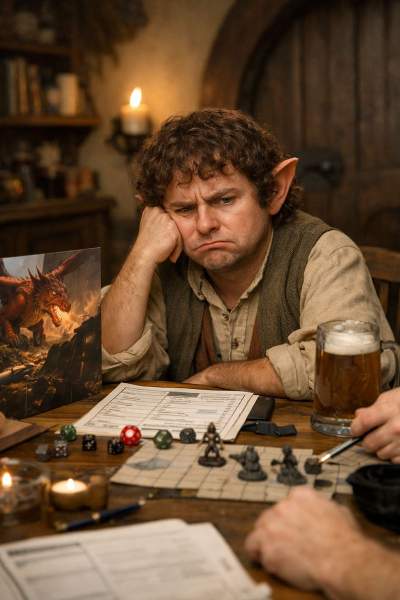
Dungeons & Dragons is built on fun—shared fun, collective fun, the kind of fun that turns into stories retold for years. But even the best table can have off nights. And sometimes, it goes deeper than that. Maybe the party dynamics have shifted, the story isn’t grabbing you, or perhaps you’re feeling sidelined. Maybe you’ve just had a rough week and the excitement isn’t sparking the way it normally does.
Here’s the thing: it’s okay not to be having fun. It happens to every player sooner or later. What matters is how you navigate that feeling—because D&D, at its heart, is a collaborative space, and collaboration thrives on communication.
Below are some practical steps to take if you find yourself staring at your character sheet thinking, “Why isn’t this working for me anymore?”
Take a Moment to Reflect on What’s Off
Before jumping into action, pause and ask yourself a few gentle questions:
- Am I tired, stressed, or distracted from real life?
- Is it the session that’s not fun, or the campaign as a whole?
- Do I feel included and heard at the table?
- Is my character still interesting to play?
- Has the tone of the campaign drifted away from what I enjoy?
Sometimes the source is external—work pressure, family situations, burnout. Sometimes it’s internal to the game. Knowing which is which helps you decide your next step.
Talk to Your Dungeon Master (Honestly and Kindly)
A good DM isn’t just a storyteller—they’re a facilitator of fun. If something is missing for you, they genuinely want to know.
You don’t need to deliver a full critique; something simple works perfectly:
- “Hey, I’m feeling a little left out recently. Can we find a way for my character to be more involved?”
- “I think I’m not connecting with the story arc—could we explore something tied to my background?”
- “I’m finding the tone more serious/silly than I expected. Any chance we can adjust the dial a bit?”
Most DMs will respond with enthusiasm and relief. But, they can’t fix what they don’t know.
Check In With the Group
Sometimes the issue isn’t DM-related at all—it’s table culture, pacing, or energy. You might notice:
- A couple of players dominating the spotlight
- Constant interruptions or side conversations
- Clashing play styles (tactical vs. narrative, silly vs. serious, etc.)
- The group drifting into habits that don’t work for you
A quick group conversation—maybe at the end of a session—can reset expectations and reaffirm what everyone enjoys. This is the tabletop version of team alignment in the workplace: shared goals, shared norms, shared fun.
Change Up Your Character
If the game itself is great but your character isn’t clicking anymore, don’t be afraid to pivot. You can:
- Re-spec or rebuild your character
- Introduce a new character entirely
- Ask for a story moment that reinvigorates your current one (a rival, a revelation, a magic item, a moral dilemma)
Sometimes a fresh perspective is all it takes. D&D is a playground—go play.
Consider Taking a Short Break
It’s 100% valid to step back temporarily.
If you’re overwhelmed or burnt out, you might just need a pause. This doesn’t mean quitting; it just means recognising your limits. D&D, like any hobby, should feel energising more often than it feels draining.
Talk to your group and work out a graceful in-story reason your character disappears briefly. You’ll likely return refreshed and excited.
If It Really Isn’t Working… It’s Okay to Step Away
This is the hardest option, but sometimes it’s the right one.
Not every table is the right table for every player. If the tone, style, or personalities don’t mesh with what you need, you’re allowed to bow out—kindly, respectfully, and without guilt.
Leaving a game doesn’t mean you’ve failed. In fact, it means you’re choosing joy and respecting both your own time and the group’s.
Remember Why You Play
At its core, D&D is about:
- Collaboration
- Creativity
- Connection
- Escapism
- Shared stories
If you’re missing any of these, it’s worth taking steps to find them again. Your fun matters. Your presence at the table matters. And you deserve a gaming experience that lifts you up.
Whether it’s a small tweak, a conversation, a character change, or a new table entirely—there is always a path back to joy.
Remember that the aim of D&D isn’t just to play. It’s to play together. And sometimes, playing together means speaking up so everyone—including you—can have the fun we’re all here for.