
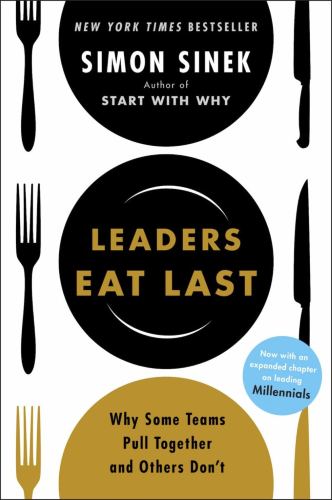
Simon Sinek’s Leaders Eat Last is one of those rare leadership books that sticks with you long after you’ve finished reading it. Its central message is simple but powerful: great leaders put their people first. They create environments of trust and safety, where individuals feel valued and supported. In doing so, they unlock a team’s potential to achieve incredible things — not through fear or pressure, but through loyalty, belonging, and shared purpose.
As I was reading it, I couldn’t help but think how relevant those same ideas are to running a game of Dungeons & Dragons. Because at its heart, being a good Dungeon Master (DM) isn’t about control or clever storytelling. It’s about creating a space where players feel safe, engaged, and inspired — the exact same principles that Sinek says define great leadership.
The Circle of Safety
One of the most memorable ideas from Leaders Eat Last is the “Circle of Safety.” Sinek explains that in strong organisations, leaders create an environment where their people feel protected from external threats — a workplace where they can focus on doing their best work rather than looking over their shoulder.
For a DM, that’s the game table. The “Circle of Safety” in D&D is the world you build and the tone you set. It’s the trust your players have that you’re not out to “win” the game, but to tell a story with them.
When players know they can take risks, roleplay boldly, or make bad decisions in character without being punished for it, they flourish. They start to create moments that surprise you, and the game world becomes richer as a result. Just like a great leader, a great DM doesn’t eliminate risk — they make it safe to fail.
Putting Players First
Sinek’s title comes from an old military tradition: leaders eat last, ensuring their people are fed before they are. It’s a symbolic act of service — a reminder that leadership is about responsibility, not privilege.
The same mindset can make a DM truly exceptional. Running a D&D session takes effort — prepping adventures, tracking NPCs, remembering rules — but the role’s real heart is service. You’re there to give your players an amazing experience.
That might mean letting go of your clever plot twist when the players come up with a better idea. It might mean adjusting encounters on the fly to keep the story balanced. It might even mean stepping back entirely and letting the group spend an hour talking in character because they’re genuinely enjoying themselves.
A great DM, like a great leader, measures success not by how perfectly their plan goes, but by how much their people grow and enjoy themselves.
Building Trust and Belonging
Sinek argues that humans are hardwired for cooperation, but that cooperation only happens when people feel safe and valued. Leaders build trust through empathy, consistency, and integrity.
In D&D, trust is everything. Players need to know the DM is fair, that their characters’ actions matter, and that the story responds honestly to their choices. A DM who favours certain players, ignores others, or uses their power to “win” the game quickly erodes that trust.
But when you build a table where everyone’s voice matters — where every player feels part of something — the magic happens. People open up. They collaborate. They invest emotionally in the story and in each other. That’s not just a good game; that’s good leadership in action.
The Power of Purpose
At the core of Leaders Eat Last is the idea that great teams share a sense of purpose. When people understand why they do what they do, they’ll work harder, care more, and stick together even when things get tough.
That’s true for adventuring parties too. The best D&D campaigns aren’t just a string of random quests — they’re driven by shared purpose. Whether it’s protecting a village, saving a friend, or uncovering a forgotten truth, a unifying goal binds the group together.
A wise DM helps the party find that purpose. You don’t hand it to them — you help them discover it, nurture it, and make it matter. When you do, you create something more powerful than a game. You create a shared story of belonging and achievement.
Leading from Behind the Screen
Ultimately, Leaders Eat Last reminds us that leadership is about service, trust, and shared purpose. The best leaders — and the best DMs — don’t crave the spotlight. They shine it on others.
When you run a D&D session, you’re leading from behind the screen. You’re giving people a space to take risks, to collaborate, to be creative, and to feel a sense of belonging. You’re eating last — making sure everyone else at the table is fed first, in the form of fun, connection, and storytelling.
And if you do it right, the impact lasts long after the session ends. Players carry that experience — that feeling of being supported, seen, and part of something bigger — into their everyday lives. Just like the best leadership, it ripples outward.