
When people talk about leaving a legacy, it often sounds grand — the kind of word reserved for visionary founders, political figures, or historical heroes. But in truth, legacy doesn’t have to be about something monumental or world-changing. It can be quieter, more personal, and built moment by moment through the people we influence and the culture we create.
As a leader, I think about legacy not as an accolade or a plaque on the wall, but as a living thing. It’s the ripple effect that continues long after you’ve stepped away. It’s the culture you build, the behaviours you reward, and the sense of belonging that people carry with them long after they’ve left your business.
A Leadership Legacy Built on Culture
For me, legacy begins with culture. I want to build a workplace where people genuinely enjoy what they do and who they work with. Where collaboration and kindness aren’t seen as soft skills, but as strengths that drive performance. Where people are trusted, supported, and encouraged to grow — not just into better employees, but into better leaders themselves.
If you can build that kind of culture — one that values connection, creativity, and care — it doesn’t stay contained within your walls. Over time, the people who thrive in it take those values with them. They share them in new teams, new organisations, and new industries. That’s how a leadership legacy grows: not through policies or slogans, but through people.
When I think about my own leadership legacy, I want it to be something that continues to live in others. I want to know that years down the line, someone who worked with my business or team is leading a team of their own — and that the positive culture we built together influenced how they lead. That’s how real change happens — not in a single moment, but through a chain of shared values that spreads quietly and steadily.
The DM’s Legacy: Building Worlds, Friendships, and Escape
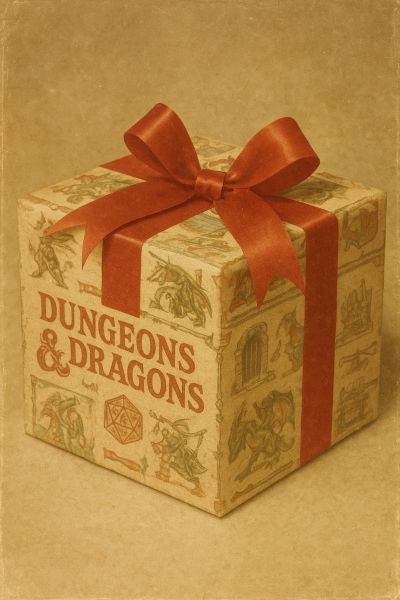
Strangely enough, that idea of leaving a legacy — of creating something that lives on through people — feels very familiar to me. Because I’ve seen it before, at the Dungeons & Dragons table.
When you’re a Dungeon Master, you put a lot of energy into building worlds, crafting encounters, and bringing characters to life. You think your legacy might be the epic storyline you’ve designed or the clever twist you’ve hidden behind a screen. But in the end, that’s not what people remember.
What lasts are the friendships that form around the table. The laughter that comes from an unexpected dice roll. The moments when everyone forgets their phones and the outside world because they’re fully immersed in the story you’re telling together. That’s your true legacy as a DM — creating a shared experience that gives people a break from everyday life and connects them in a meaningful way.
I’ve seen players who started in my games go on to run their own campaigns, taking inspiration from the way we told stories or the sense of inclusion they felt at the table. Just like in leadership, the culture you create as a DM doesn’t stop when the session ends. It spreads — through new games, new friendships, and new worlds imagined by others.
Building a Lasting Legacy
When I think about leaving a legacy now — whether as a leader or a DM — I think of it less as an outcome and more as a community. It’s about creating something that feels safe, inspiring, and empowering, and then letting others carry it forward in their own way.
In leadership, that might mean building a team that lives your values long after you’ve moved on. In D&D, it might mean a circle of friends who still share stories and inside jokes years after the campaign ended.
Ultimately, both are about people and the stories we build together. The kind of legacy that matters most isn’t written down — it’s remembered, retold, and relived.
So whether it’s through the people I lead or the players I guide, my hope is the same: that something about the experience stays with them. That they take what we’ve built — the culture, the connection, the sense of possibility — and carry it into whatever comes next.
Because that’s what leaving a legacy is all about. Not the mark you leave on the world, but the spark you leave in others.