Stealing Shadows: Designing a High Action Star Wars One-Shot

I’ve volunteered to run a one-shot adventure for my friend Andrews birthday. Usually we play D&D together, but I decided to mix things up with some good old fashioned Star Wars. This franchise is perfect for the one-shot style game. It’s popular and players know exactly what’s expected. After much navel gazing I decided that there’s nothing like a good heist give the one-shot a truly Star Wars feel. Not only that but it had top be set in the dark days before A New Hope, when the Rebel Alliance is a ragtag network of scattered cells and the Empire’s grip is tightening. One daring raid can turn the tide.

In this post, we’ll walk through designing a Star Wars-themed one-shot using:

  • The ICRPG ruleset (fast, flexible, cinematic)
  • Pre-generated characters with just enough customization for the players to make them their own.
  • The 5 Room Dungeon framework for tight adventure structure, we only have 3 hours to play the game.
  • A mission straight from the Rebel playbook: steal the prototype TIE Phantom before the Empire can unleash it on the rebellion…

Why ICRPG Works for Star Wars

I really needed a game system that would be at once familiar tot eh players and fast paced. Index Card RPG (by Runehammer Games) is a rules-light system based on the concepts of D&D but streamlined to keeps things moving. One roll target per scene, fast turns, minimal math—it’s all built for cinematic play. Players don’t need to learn a dozen subsystems. They just go. Whether it’s blasting stormtroopers, slicing into doors, or dodging TIE Fighters, ICRPG makes gameplay smooth, allowing the players to focus on the high-stakes of the scenario.

Pregens with Purpose

To keep the pace snappy, I have prepped prep a number of characters, each with a strong role. While statted out with a specialist skill and a couple of attribute points, my players can add a further 8 attribute points and put their own stamp on the character. I’ve included the following:

  • Old Jedi in hiding.
  • Smuggler
  • Repair droid able to take over machines
  • Pilot
  • Commando
  • Wookie Warrior
  • Spy
  • Rebel soldier

Each comes with ICRPG-style stats, starting gear, and a special skill. Enough depth to spark roleplaying, but not so much to overwhelm.

Stealing Shadows: The Mission

Rebel intelligence have learned that the Empire has secretly constructed a working prototype of the TIE Phantom—a cloaking starfighter that could change the course of the war. It’s hidden deep in a secure Imperial testing facility on the shattered moon of Harax, guarded by stormtroopers, officers, and harsh automated defenses. But there is hope, one of the technical specialists is thought to have Rebel sympathies. Perhaps he will help the war effort.

Your team has one shot to infiltrate, steal the fighter, and escape before the Empire realises what’s happening.

Let’s structure it using the 5 Room Dungeon method. If you haven’t checked out this effective method of adventure design I highly recommend you do. This is the perfect way to frame the adventure. It keeps things exciting and tight, giving the players a fun adventure with limited prep time.

1. Entrance and Guardian – Moonfall and Mayhem

With their shuttle malfunctioning the rebel team crash land onto Harax’s fractured surface during an ion storm. thrown straight into the action they must reach the facility perimeter undetected, but patrols are already combing the surface. A speeder patrol closes in. Do they ambush, sneak, or run?

ICRPG Notes:

  • Set a scene target of 12 to keep the introduction fairly straight forward. . Use effort rolls for stealth, slicing into doors, or ambushing troopers.
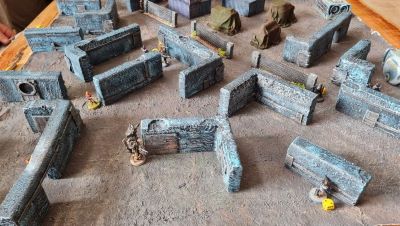
  • Provide a map of the facility, letting the players choose a way in.
  • Timer: Storm interference increases every round; failure draws more troops.
  • A squad of scout troopers on speeder bikes will close in on the party.
  • Keep the time pressure on here.

2. Puzzle or Roleplay Challenge – Slicing the Perimeter

The hangar is shielded and locked down. Players must disable the security grid without triggering alarms. Can they make contact with the sympathetic tech specialist to help—but only if convinced the Rebels are real.

ICRPG Notes:

  • Roleplay challenge: gain the defector’s trust.
  • Increase effort dice to 13.
  • Puzzle effort: disable power relays, match codes, or rewire a terminal.
  • The defector Technician Zander is scared needs to be calmed. Will lead PCs to the wrong location.
  • Stormtrooper patrols are an ever present threat.

3. Trick or Setback – It’s a Trap!

The TIE Phantom is here—but it’s also bait. An elite stormtrooper squad, led by an ISB Agent, has been watching. They knew someone would come for the prototype and hope to uncover the Rebel cell network. Suddenly, blast doors seal, and enemy troops swarm in.

ICRPG Notes:

  • Betrayal scene, make a big deal out of the trap. Maniacal laughter is a must!
  • Agent Ixil makes his appearance, calmly tells the party of his trap.
  • Effort Level of 14.
  • Treats: The hangar is full of tools and droids that can be utilized in their defense.
  • Timer: Countdown to more troops arriving. Must open the blast doors to the main hangar.

4. Climax, Big BattlePhantom Launch

The Rebels must fight their way to the TIE Phantom, power it up, and blast their way out. One player can pilot; others defend the hangar or sabotage remaining defenses. A shuttle is parked nearby to allow the other players the possibility of escape. Possibly a mid-flight dogfight to escape in orbit.

ICRPG Notes:

  • Split the party: pilot sequence vs. hangar defense, have both happening at the same time and cut between the two.
  • Effort level 15.
  • Stormtroopers, stormtroopers and more stormtroopers plus the scary Agent Ixil.
  • Use timers and effort for take-off time and incoming stormtroopers.
  • Cue dramatic sacrifices, cinematic blaster standoffs, or droid heroism.

5. Reward and Revelation – The Price of Hope

The Phantom is in Rebel hands… but at a cost. Did they all make it? Did the ISB Agent escape with intel on the Rebel organization? The fighter’s logs might reveal even more hidden Imperial projects and a planned raid on a nearby Rebel safe house. Investigation of the cloaking technology will show it to be of Sith origin.

Get the players to describe what their characters are doing a day, a week and a year after the adventure. This gives the one-shot game a great feeling of closure.

Tips to Capture the Star Wars Feel

This adventure is meant to be fully Star Wars. Nothing clever here. In an attempt to catpure the feel of the original films I’ll aim to include the following at different points throughout the game.

  • Stormtroopers die in droves, but leaders are scary. Keep troopers cinematic—bad shots, easy to mow down. But named officers and ISB agents should feel dangerous.
  • Use environment hazards. Star Wars battles are kinetic. Falling catwalks, explosive barrels, jammed blast doors—go big. I’ll create a list of these and add I go to keep the action high.
  • Moral choices matter. Give the Rebels real dilemmas: save the prisoner or steal the ship? Take the shot or protect your team? The tech specialist defector will definitely have a sad story, will the players save him?
  • Visual and musical cues. I’ll be playing the New Hope soundtrack during the session and provide plans of the secret TIE fighter test facility.
AI rendering of Agent Ixil the Villain of the adventure

The Villain

In an effort to make the villain memorable I developed him to be someone the players can hate. Introducing Agent Varn Ixil

Imperial Security Bureau – Counter-Insurgency Division

Description: Cold, calculating, and eerily calm under pressure, Agent Varn Ixil is a mid-ranking ISB operative known for using psychological tactics and traps rather than brute force. He wears pristine officer’s attire with his distinctive cream dress jacket. He carries a modified blaster pistol—rarely drawn, always lethal. His right eye has been replaced with an optical implant that constantly analyzes his surroundings, and he records every conversation for later dissection.

Memorable Trait: He never raises his voice. Even during combat, his commands are delivered in a chilling whisper. He refers to Rebels by their full names and known affiliations, as if reading from a classified file—making players feel like he already knows them.

Motivation: Not just to protect the TIE Phantom, but to capture the Rebel team alive and study them as part of a broader psychological warfare program. He wants to break the Rebellion, one mind at a time.

Catchphrase: “You think this is about a ship. No. This is about you. All of you. And the cost of believing in ghosts.”

I cant wait for the players to meet Agent Ixil!

Final Thoughts

A small Rebel team, a deadly prototype, stormtroopers in pursuit—it’s the recipe for a perfect Star Wars one-shot. With ICRPG’s easy-to-learn system and the tight 5 Room Dungeon structure, you can drop players straight into the action and deliver a cinematic, satisfying night of roleplay.

Let them steal the future from the Empire. Let them feel like heroes. It’s all here. I cant wait to run it!! And remember…..

Rebellions are built on hope.

Dealing with Problem Players in Dungeons & Dragons

Dungeons & Dragons is built on teamwork, creativity, and shared storytelling. However, at least once in their journey every Dungeon Master will eventually encounter a problem player—someone whose behavior disrupts the game, frustrates other players, or creates unnecessary conflict. Whether it’s an attention-hogging player, a rules lawyer, or someone who constantly derails the campaign, handling these individuals effectively is essential for maintaining a fun and engaging experience for everyone.

Types of Problem Players

The problem player takes many different guises. But the one thing they have in common is disrupting the game and reducing the fun of everyone else at the table. Here are a few of the more common varieties:

  1. The Spotlight Stealer – Always wants to be the center of attention, overshadowing others and making the game about themselves.
  2. The Rules Lawyer – Constantly argues about the rules, slowing the game and creating friction with the DM and players.
  3. The Disruptor – Makes inappropriate jokes, derails the story, or causes in-game chaos just for the sake of it.
  4. The Lone Wolf – Ignores the party and pursues their own goals, disregarding group decisions.
  5. The Power Gamer – Focuses entirely on optimizing their character for combat, often at the expense of roleplaying and team dynamics.
  6. The Flake – Frequently misses sessions, arrives late, or isn’t engaged when present, disrupting game flow.

Strategies for Handling Problem Players

Players who disrupt the game in the ways described above need to be dealt with. Otherwise, the alternative becomes a game that is not as fun. Players will leave the table with a sense of frustration and are much less likely to come back to your table. Here are a few strategies that myself and other DMs I know have used to minimize the disruption caused by problem players.

  1. Have a One-on-One Conversation – Most players don’t realize they’re causing issues. A private chat can help set expectations and find solutions. I’ve found this is the most successful strategy, particularly if you enter the conversation with tact and not in attack mode.
  2. Set Clear Table Rules – Establishing a social contract at the start of the campaign ensures everyone understands acceptable behavior. I would encourage every DM do this at the start of a new game, especially when new players are present.
  3. Redirect and Reinforce Positive Play – Encourage collaborative play by giving equal spotlight time and rewarding teamwork. Simply moving round the table and asking what each player is doing in turn ensures that everyone has a chance to shine and that no one person dominates the action.
  4. Use In-Game Consequences – A rules lawyer might meet enemies who don’t follow the normal rules. A lone wolf might face an enemy too powerful to handle alone.
  5. Know When to Ask a Player to Leave – If a player consistently ruins the experience despite multiple discussions, it may be best to part ways. But make sure to have tried speaking to them first, offering them a chance to change their behaviour.

The Business Parallel: Problem Employees

Of course, this article wouldn’t be complete without a parallel to the workplace. Just like in D&D examples above, businesses also deal with problem employees—individuals who disrupt workflow, cause conflicts, or refuse to collaborate. A few of the more common problem employee types include:

  • The Credit Hoarder – Takes all the glory, ignoring the contributions of the team.
  • The Policy Lawyer – Constantly challenges company rules, slowing down processes.
  • The Office Disruptor – Engages in gossip, negativity, or distractions that harm morale.
  • The Lone Operator – Works in isolation, refusing to communicate or coordinate with colleagues.
  • The Bare Minimum Worker – Does only the absolute minimum required, affecting team efficiency and ultimately morale.

Managing Problem Employees

Dealing with problem employees is not dissimilar to handling problem players as a DM. Communication and tact are the name of the game as well as understanding when to enforce consequences. A few good examples include:

  1. Provide Clear Expectations – Just like table rules, workplace policies should be well-defined and enforced. These should be explained to new employees as part of onboarding and reinforced by the organization’s leaders.
  2. Encourage Constructive Feedback – Open dialogue can often resolve behavioral issues before they escalate. This is key to nipping problems n teh bud and letting employees steer back on the path before becoming disruptive.
  3. Recognize Positive Contributions – Reinforcing good behavior can shift workplace culture in the right direction.
  4. Use Consequences When Necessary – Performance reviews, coaching, and structured feedback can guide employees toward improvement. However, use these sparingly and only when other attempts have failed.
  5. Know When to Let Go – Sometimes, letting an employee go is the best option for the team’s overall success. Weighing up the time and effort being spent on performance managing an employee and the impact on the team against keeping them is a hard but worthwhile exercise.

Final Thoughts on Problem Players

Whether at the gaming table or in the office, a single disruptive individual can have a significant negative impact on team morale and productivity. By addressing issues directly, setting clear expectations, and reinforcing positive behavior, both DMs and business leaders can cultivate a more cooperative and enjoyable environment for everyone involved. Ultimately, strong leadership, communication, and proactive management are key to dealing with problem players—whether they’re rolling dice or filing reports.

Beating Dungeon Masters Block: How to Get Unstuck

When you’ve been running a lot of D&D, you’re sure to have experienced Dungeon Masters Block. We’ve all been there. You’re staring at your notebook or blinking cursor, trying to prep for the next D&D session. But your brain feels empty—no monsters, no loot, just cold stone and echoing silence. It can feel extremely disheartening.

Whether you’ve been running a long campaign and you’re feeling burnt out, or you’re just stuck on how to start the next arc, here’s the good news: you’re not a bad DM. You’re just human. In this post we’ll look at some practical ways to deal with the block and find your creative spark again.

Zoom Out and Revisit the Big Picture

Sometimes Dungeon Masters block comes from getting too caught up in the small stuff—stat blocks, maps, NPC voices. Take a step back and ask:

  • What’s this adventure really about?
  • What do I want my players to feel in the next session?
  • Where is the story headed, even roughly?

You don’t need a five-session plan. Just one or two emotional or narrative beats you’re aiming for can unlock your creativity.

Steal with Pride

Good DMs borrow. Great DMs steal and make it their own. If you’re stuck, go mining popular culture for ideas:

  • Flip open a random page in a published adventure.
  • Rewatch a fantasy show or movie and pick a small scene to adapt.
  • Scroll through Reddit’s /r/DnDBehindTheScreen or your favorite blog.
  • Pull a random monster or magic item and build a scene around it.

You don’t need an original idea—just an idea. Put your own spin on it, and suddenly it’s yours. I talk about using books and movies for inspiration in my article here.

Talk to Your Players

Seriously. Ask them what they’re enjoying, what they’re curious about, and what they want more of. You don’t need to give away your secrets, but a little feedback can reenergize you. Sometimes the thing that’s blocking you—“Where should this arc go next?”—is something your players already have strong opinions on.

Let them help you build the next step. Get them to define their party and character goals and use this as fuel to design the next session.

Use a Creative Constraint

It may seem counterintuitive, but giving yourself a limitation can actually spark new ideas. I’ve found that giving myself strict themes for a session can really help me get creative. These can anything from ice or fire, betrayal or espionage. Placing a constraint seems to open up all sorts of possibilities.

Try one of these:

  • “I can only use one monster from the CR 3 section of the Monster Manual.”
  • “The entire next session takes place in one tavern.”
  • “There’s a ticking clock—something catastrophic happens in three in-game hours.”

Constraints force you to be inventive, and they’re often the source of the most memorable sessions.

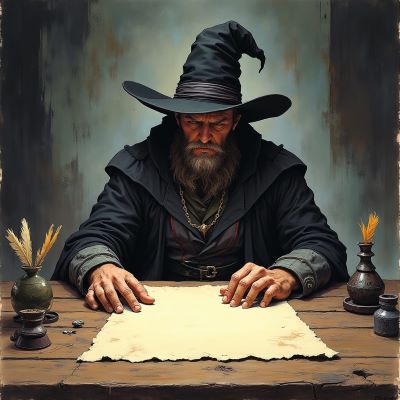
Pop culture can be a good source of inspiration to help break Dungeon Masters Block.

Embrace Improvisation

If prep is what’s blocking you, maybe you don’t need as much of it. Set up a strong opening scene, prep a few likely NPCs, and jot down some vague consequences. Then trust yourself to run with it. You know your world and your players better than you think. For some tips on improving your improv check out my article on the subject.

Sometimes the best cure for DM’s block is just playing again. Riffing off the players actions, laughing, rolling dice and having fun can give you back the creative energy that you feel you’ve lost.

Take a Break—and Let Someone Else Run

It’s okay to need time off. If you’re running every week and you’re hitting a wall, ask a player to run a one-shot. Switch systems. Try a board game night. Recharge your creative batteries. I do this fairly regularly. It lets you have a chance to be a player again and experience different games and systems.

Even a single week off can give you a fresh perspective—and a new appreciation for your own campaign.

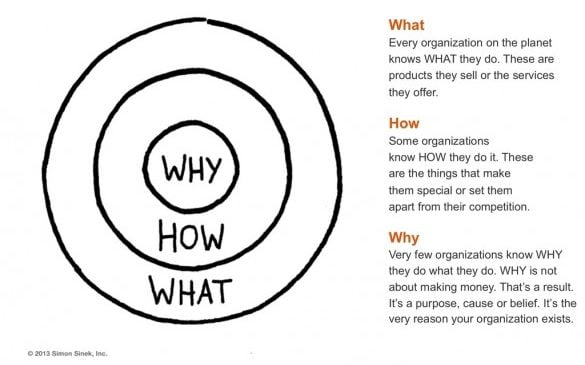
Remind Yourself of the Why

Why did you start this campaign in the first place?

  • Was it to tell a story you love?
  • Build a world from your imagination?
  • Watch your friends turn chaos into adventure?

Whatever the reason, go back to that. Your “Why” (hello, Simon Sinek!) can rekindle your passion—and help you find your next step.

You’ve Got This

Remember, Dungeon Masters block doesn’t mean you’re failing. It just means you need a new angle, a breather, or a bit of help. That’s all part of the process. All DMs go through it at some point in their D&D career. So be kind to yourself. Pick one of these ideas, try it out, and trust that the spark will come back.

After all, you’re the one who turned a blank page into an exciting world of adventure once before.

You’ll do it again.