
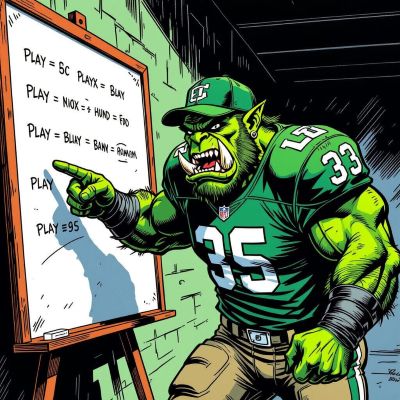
A couple of weeks ago we looked at how D&D can give insight into leadership coaching. Coaching is about unlocking the potential of others—helping them find their own solutions, build confidence, and grow. And a session of D&D gives you dozens of opportunities to practice exactly that. In this article I look at some ways to gain practical coaching skills through playing D&D with your mates.
Here’s a few tips to help your practical coaching skills.
Active Listening: Pay Attention to the Details
At the table: In D&D, missing a detail in the Dungeon Master’s description can mean walking into a trap. Players learn to listen carefully, not just to what is said, but how it’s said.
In leadership: Listening with intent is the foundation of good coaching. Instead of planning your response while someone speaks, focus fully on their words, tone, and body language. Then reflect back what you heard:
- “It sounds like you’re feeling stretched thin—what part of the project is weighing most heavily?”
Ask Questions, Don’t Give Orders
At the table: When a player is unsure what to do, the best response isn’t “You should cast Fireball.” It’s asking questions like, “What’s your wizard best at in this situation?” That prompts them to think, decide, and take ownership.
In leadership: Instead of solving problems for your team, use open-ended questions to help them discover solutions:
- “What options have you considered?”
- “What outcome would you like to see?”
- “What support do you need from me to make that happen?”
This shifts you from problem-solver to coach.
Encourage Quieter Voices
At the table: Every party has a quiet player who might get overshadowed by louder personalities. A skilled Dungeon Master or fellow player creates space by inviting them in: “Hey, what’s your rogue’s take on this plan?”
In leadership: Teams are the same. Coaching means ensuring every voice is heard. You might ask:
- “I’d like to hear your perspective before we decide—what do you think?”
This inclusion builds confidence and uncovers fresh ideas.
Celebrate Creativity and Experimentation
At the table: Sometimes the “right” solution isn’t obvious—so players experiment. They may try to distract the dragon with a song or use a spell in a clever, unintended way. Great D&D groups celebrate the attempt, win or lose.
In leadership: Coaching encourages experimentation without fear of failure. Acknowledge effort and creativity, even when results aren’t perfect:
- “That was a smart angle—you tested something new, and we learned from it.”
This builds psychological safety and fosters innovation.
Turn Setbacks into Learning
At the table: Characters fail rolls. Plans go sideways. But those moments often lead to the best stories. Players learn to laugh, adapt, and move forward.
In leadership: Coaching reframes mistakes as opportunities:
- “What worked here, and what would you try differently next time?”
This approach develops resilience and problem-solving skills in your team.
Final Thoughts on Practical Coaching
When you play D&D, you practice listening, questioning, encouraging, celebrating, and reframing setbacks. All of these are core practical coaching skills. Bring them into your workplace and you stop being the one with all the answers—you become the leader who helps others shine.
So, next time you sit down for a session, remember: you’re not just slaying dragons—you’re sharpening your skills as a coach.