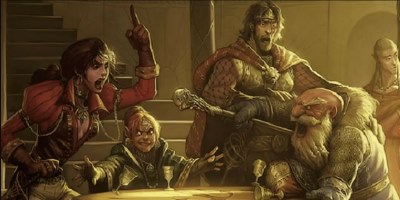
Dungeons & Dragons is built on teamwork, creativity, and shared storytelling. However, at least once in their journey every Dungeon Master will eventually encounter a problem player—someone whose behavior disrupts the game, frustrates other players, or creates unnecessary conflict. Whether it’s an attention-hogging player, a rules lawyer, or someone who constantly derails the campaign, handling these individuals effectively is essential for maintaining a fun and engaging experience for everyone.
Types of Problem Players
The problem player takes many different guises. But the one thing they have in common is disrupting the game and reducing the fun of everyone else at the table. Here are a few of the more common varieties:
- The Spotlight Stealer – Always wants to be the center of attention, overshadowing others and making the game about themselves.
- The Rules Lawyer – Constantly argues about the rules, slowing the game and creating friction with the DM and players.
- The Disruptor – Makes inappropriate jokes, derails the story, or causes in-game chaos just for the sake of it.
- The Lone Wolf – Ignores the party and pursues their own goals, disregarding group decisions.
- The Power Gamer – Focuses entirely on optimizing their character for combat, often at the expense of roleplaying and team dynamics.
- The Flake – Frequently misses sessions, arrives late, or isn’t engaged when present, disrupting game flow.
Strategies for Handling Problem Players
Players who disrupt the game in the ways described above need to be dealt with. Otherwise, the alternative becomes a game that is not as fun. Players will leave the table with a sense of frustration and are much less likely to come back to your table. Here are a few strategies that myself and other DMs I know have used to minimize the disruption caused by problem players.
- Have a One-on-One Conversation – Most players don’t realize they’re causing issues. A private chat can help set expectations and find solutions. I’ve found this is the most successful strategy, particularly if you enter the conversation with tact and not in attack mode.
- Set Clear Table Rules – Establishing a social contract at the start of the campaign ensures everyone understands acceptable behavior. I would encourage every DM do this at the start of a new game, especially when new players are present.
- Redirect and Reinforce Positive Play – Encourage collaborative play by giving equal spotlight time and rewarding teamwork. Simply moving round the table and asking what each player is doing in turn ensures that everyone has a chance to shine and that no one person dominates the action.
- Use In-Game Consequences – A rules lawyer might meet enemies who don’t follow the normal rules. A lone wolf might face an enemy too powerful to handle alone.
- Know When to Ask a Player to Leave – If a player consistently ruins the experience despite multiple discussions, it may be best to part ways. But make sure to have tried speaking to them first, offering them a chance to change their behaviour.
The Business Parallel: Problem Employees
Of course, this article wouldn’t be complete without a parallel to the workplace. Just like in D&D examples above, businesses also deal with problem employees—individuals who disrupt workflow, cause conflicts, or refuse to collaborate. A few of the more common problem employee types include:
- The Credit Hoarder – Takes all the glory, ignoring the contributions of the team.
- The Policy Lawyer – Constantly challenges company rules, slowing down processes.
- The Office Disruptor – Engages in gossip, negativity, or distractions that harm morale.
- The Lone Operator – Works in isolation, refusing to communicate or coordinate with colleagues.
- The Bare Minimum Worker – Does only the absolute minimum required, affecting team efficiency and ultimately morale.
Managing Problem Employees
Dealing with problem employees is not dissimilar to handling problem players as a DM. Communication and tact are the name of the game as well as understanding when to enforce consequences. A few good examples include:
- Provide Clear Expectations – Just like table rules, workplace policies should be well-defined and enforced. These should be explained to new employees as part of onboarding and reinforced by the organization’s leaders.
- Encourage Constructive Feedback – Open dialogue can often resolve behavioral issues before they escalate. This is key to nipping problems n teh bud and letting employees steer back on the path before becoming disruptive.
- Recognize Positive Contributions – Reinforcing good behavior can shift workplace culture in the right direction.
- Use Consequences When Necessary – Performance reviews, coaching, and structured feedback can guide employees toward improvement. However, use these sparingly and only when other attempts have failed.
- Know When to Let Go – Sometimes, letting an employee go is the best option for the team’s overall success. Weighing up the time and effort being spent on performance managing an employee and the impact on the team against keeping them is a hard but worthwhile exercise.
Final Thoughts on Problem Players
Whether at the gaming table or in the office, a single disruptive individual can have a significant negative impact on team morale and productivity. By addressing issues directly, setting clear expectations, and reinforcing positive behavior, both DMs and business leaders can cultivate a more cooperative and enjoyable environment for everyone involved. Ultimately, strong leadership, communication, and proactive management are key to dealing with problem players—whether they’re rolling dice or filing reports.