How to Persuade Your Boss to Play Dungeons & Dragons

Team bonding activities have become an essential part of modern workplace culture. They foster camaraderie, improve communication, and boost morale. While traditional team-building exercises like trust falls and icebreakers have their merits. There’s a new player in town that can level up your team’s cohesion: Dungeons & Dragons (D&D). Are you eager to introduce D&D to your team but need to persuade your boss? Read on to discover the tangible benefits, cost-effectiveness, and problem-solving potential that this legendary tabletop game offers.

Tangible Benefits for a Team to Play D&D

Dungeons & Dragons, a role-playing game set in a fantasy world, may seem like an unusual choice for team bonding, but it offers numerous tangible benefits to the open-minded team:

  1. Improved Communication: D&D requires players to work together, communicate effectively, and strategize as a team. It encourages creativity in problem-solving and collaboration in decision-making, all of which are transferable skills in the workplace.
  2. Enhanced Problem-Solving: Players must overcome various challenges and puzzles within the game, encouraging critical thinking and innovative solutions. Of course, this translates seamlessly to addressing real-world issues faced by your team.
  3. Building Trust: D&D promotes trust among team members, as players rely on each other to achieve common goals. As we know, trust is the cornerstone of a productive and harmonious work environment.
  4. Conflict Resolution: The game provides a safe space for addressing conflicts and making decisions, helping your team practice resolving issues constructively.

Low Cost Compared to Other Team Bonding Activities

One of the most compelling reasons to suggest D&D to your boss as a team bonding activity is its cost-effectiveness. Traditional team-building events can be expensive, often involving off-site venues, facilitators, and equipment rentals. In contrast, D&D requires minimal investment:

  1. Affordable Materials: The basic materials needed for a D&D session are relatively inexpensive, including rulebooks, character sheets, and dice. Many resources are available online for free.
  2. No Travel Expenses: D&D can be played in the office or remotely, eliminating the need for costly off-site trips.
  3. Long-Lasting Benefits: Unlike one-off team-building events, D&D can become an ongoing tradition, providing ongoing value for your team without recurring expenses.
D&D really is a low cost alternative to pricey team building activities.

Option to Tailor the Game to Specific Problems Faced by the Team

Perhaps the best reason to introduce D&D to your team is its adaptability. You can tailor the game to address specific challenges or problems your team is facing:

  1. Custom Scenarios: The Dungeon Master (DM) can create scenarios that mimic real workplace challenges, allowing team members to practice problem-solving in a fun and low-pressure environment.
  2. Skill Development: D&D characters have various skills and abilities that can mirror your team’s skillset. By designing encounters around these skills, you can help your team hone their strengths.
  3. Feedback Mechanism: Including debrief sessions in your D&D sessions allows team members to share insights and feedback on how they approached in-game challenges. Before discussing their application to real-world issues.

How to Approach Your Boss

Now that you understand the compelling case for using D&D as a team bonding activity, it’s time to approach your boss. Here’s a step-by-step guide:

  1. Research and Prepare: Gather information about D&D, its benefits, and how it can be customized to address your team’s specific needs.
  2. Schedule a Meeting: Request a one-on-one meeting with your boss to discuss your proposal. Be sure to emphasize that it won’t take up much of their time.
  3. Highlight Benefits: Present the tangible benefits of D&D, including improved communication, cost-effectiveness, and its potential to address specific problems.
  4. Customization: Explain how D&D can be tailored to your team’s needs and provide examples of scenarios that could be beneficial.
  5. Address Concerns: Be prepared to address any concerns your boss may have, such as the time commitment or the perceived frivolity of the game.
  6. Offer a Trial Run: Suggest starting with a trial session to gauge interest and gather feedback.
  7. Follow Up: After the meeting, send a follow-up email summarizing your proposal and thanking your boss for their time.

With the right approach and a well-reasoned argument, you can persuade your boss to see the potential of D&D as a team bonding activity that will benefit your team and the organization as a whole. Tailoring the message and scenarios to your teams situation and any particular challenges they face would make the proposition very compelling. Why not do your prep and get that meeting with the boss. It’s time to level up your team’s cohesion and problem-solving skills with the power of imagination and collaboration that Dungeons & Dragons provides.

If you’re not sure where to start or which scenarios to suggest do not hesitate to get in touch for a quick discussion.

Unlock The Secret Power of Team Names

In any group setting, whether a military unit, Dungeons and Dragons party, or a business team, establishing a sense of identity and camaraderie is crucial. One powerful way to achieve this is by assigning team names. This seemingly simple act can have a profound impact on team culture, cohesion, and performance. Let’s explore how team names have been utilized in various contexts to bring people together and drive outstanding results.

Military Unit: Task Unit Bruiser

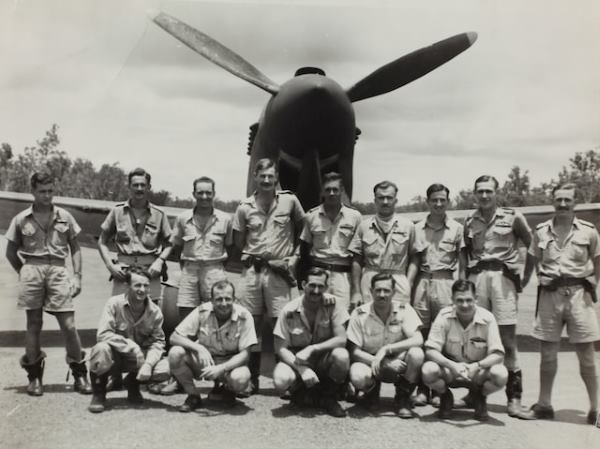
An excellent example of how team names can enhance culture and performance comes from Jocko Willink’s Task Unit Bruiser. Jocko Willink, a former Navy SEAL and co-author of the book “Extreme Ownership,” led this elite unit during the Iraq War. By giving his team a strong and formidable name like “Bruiser,” he instilled a sense of pride and toughness in the members. It reinforced their shared identity and the importance of working together as a cohesive unit. The name became a symbol of their shared values and mission, creating a powerful culture of accountability, teamwork, and relentless determination.

Task Unit Bruiser, the name helped forge a culture of hard work and excellence

Military Unit: Unit Hard Luck to Hardcore

Another compelling military example is from the legendary Colonel David Hackworth. During the Korean War, he commanded a struggling infantry unit known as “Unit Hard Luck.” Realizing the negative impact of the name on morale, he rebranded the unit as “Hardcore.” This simple change transformed their mindset, boosting their confidence and belief in their abilities. The new name inspired them to adopt a more resilient and tenacious attitude. Leading to a significant improvement in their performance on the battlefield.

Dungeons and Dragons Party: Critical Role’s Vox Machina

Even in the realm of tabletop role-playing games like Dungeons and Dragons (D&D), team names play a vital role in fostering cohesion and storytelling. Critical Role’s Vox Machina is a famous example. Critical Role is a popular web series where a group of talented voice actors play D&D together. Vox Machina is the name they chose for their adventuring party. The name not only reflects the characters’ diverse backgrounds and abilities but also serves as a symbol of their unity. Facing epic quests and battles, the name became a rallying cry, reinforcing their commitment to each other and their shared goals. It also resonated with the show’s fans, creating a strong community and fanbase. Ultimately, helping them create a multi-million dollar business.

Hankerin Ferinale of Runehammer has been running a campaign for a D&D party who call themselves the “Dirty Jobs Crew”. The naming of the party really helped this group of new players form a cohesive team. Which in turn helped them work together through many crazy adventures. Listening to the session recaps you get a definite sense of the party’s distinctive identity. All fostered from that initial naming of the team.

In my own campaign we have had numerous party’s. Many comprising some of the same players but each with a very distinctive feel to them. The “Heroes of Khursand”, “Salkire Five”, “Bishops Fist” and the “Highgate Devils”. All these groups have revolved around teamwork and having fun in unique ways.

Critical Role turned their team “Vox Machina” into a multi-million dollar business

Business Team: Apple “Geniuses”

Apple’s decision to label their tech support staff as “Geniuses” has had a profound impact on their workplace culture. By bestowing this title upon their employees, Apple has elevated the status of this team. Effectively imbuing them with a sense of expertise and authority. This move not only enhances the confidence and morale of the Geniuses but also fosters a culture of respect within the organization. It encourages other employees to appreciate the valuable contributions made by the team and promotes a collaborative environment where knowledge-sharing and problem-solving are highly valued.

Furthermore, referring to their tech support representatives as Geniuses reflects Apple’s commitment to customer service and excellence. The term Geniuses conveys a sense of mastery and wisdom. In turn, this signals to customers that they can trust these experts to resolve their technical issues efficiently. This approach aligns with Apple’s brand image of delivering innovative and top-notch products backed by exceptional support. The use of this title also encourages the Geniuses to take pride in their roles, leading to a more dedicated and motivated workforce. Overall, Apple’s decision to call their tech support team Geniuses has not only impacted their workplace culture positively but also reinforces their commitment to delivering unparalleled customer service.

Final thoughts

The examples of Task Unit Bruiser, Unit Hard Luck to Hardcore, Vox Machina, and Apple’s “Geniuses” demonstrate the powerful influence of team names on culture and cohesion. Whether in military, gaming, or business contexts, giving a team a meaningful name can foster a shared identity, build camaraderie, and drive exceptional performance. A well-chosen team name instills pride, creates a sense of purpose, and reminds team members that they are part of something greater than themselves. So, whether you’re leading a team or part of one, consider the impact of a name – it might be the catalyst to unlock your team’s full potential.

Why Dungeons and Dragons is Good for the Workplace

In recent years, Dungeons and Dragons (D&D) has experienced a resurgence in popularity, captivating the imaginations of people from all walks of life. Far from being just a tabletop game of fantasy, D&D offers much more than just entertainment. It has potential to be a valuable tool for personal growth and professional development. Surprisingly, the benefits of D&D are not limited to the gaming table but extend to the workplace as well. In this post, we will explore three compelling reasons why Dungeons and Dragons is good for the workplace environment.

Fostering Creativity

At its core, D&D is a game that thrives on creativity and imagination. Players are immersed in a rich tapestry of fantasy worlds, and they have the freedom to create unique characters, develop intricate storylines, and solve complex challenges. This creative aspect of the game translates well to the workplace, where creativity is highly valued.

Employees who engage in imaginative activities like D&D can bring a fresh perspective to problem-solving and brainstorming sessions. They learn to think outside the box, seeing problems from multiple angles, and devising innovative solutions. Moreover, D&D encourages players to adapt to unexpected situations, making them more agile and adaptable in the dynamic work environment. By nurturing creativity, D&D empowers employees to tackle challenges with a sense of enthusiasm and resourcefulness, benefiting the organization as a whole.

Encouraging Collaboration

One of the key aspects of D&D is that it is a collaborative game. Players form a team, each contributing their unique strengths and skills, to overcome challenges and achieve common goals. In the same way, teamwork is fundamental to success in any workplace.

Through D&D, employees learn the importance of effective communication, cooperation, and synergy. They experience firsthand how combining their diverse abilities leads to better outcomes. This fosters a spirit of camaraderie and builds trust among team members, which directly translates into improved collaboration within the workplace.

Moreover, D&D provides a safe space for individuals to experiment with different leadership styles and develop their leadership capabilities. As they take turns leading the party on various quests, they learn to motivate and inspire their colleagues, thus becoming better leaders in the professional setting.

Dungeons and dragons at work can foster collaboration, creativity and critical thinking in your team!

Cultivating Critical Thinking

D&D is a game that constantly presents players with intricate puzzles, moral dilemmas, and tactical challenges. To navigate through these complexities successfully, players must engage in critical thinking and decision-making.

In the workplace, critical thinking is a vital skill that drives effective problem-solving and strategic planning. D&D players are encouraged to analyze situations, consider the consequences of their actions, and think on their feet, all of which are highly transferable skills to the professional world.

Furthermore, D&D requires players to embrace failure as a learning opportunity. If a strategy doesn’t work out, players regroup, reevaluate their approach, and try again. This resilience in the face of setbacks is invaluable in the workplace, where adaptability and perseverance are essential for progress.

Final thoughts on why dungeons and dragons is good for the workplace

Dungeons and Dragons is not just a game; it is a powerful tool for fostering creativity, collaboration, and critical thinking. As employees engage with the imaginative world of D&D, they develop essential skills that can enrich their professional lives. The game’s ability to spark creativity, build teamwork, and promote critical thinking makes it an unexpected yet valuable asset in enhancing workplace dynamics and productivity. So, the next time you see a group of colleagues huddled around a gaming table, don’t dismiss it as just a pastime – it might just be a strategic investment in their professional development.

If you would like to run your team through some team building scenarios but are not sure where to start, feel free to drop me an email. Always keen to have a chat about what might work for you and your team.