
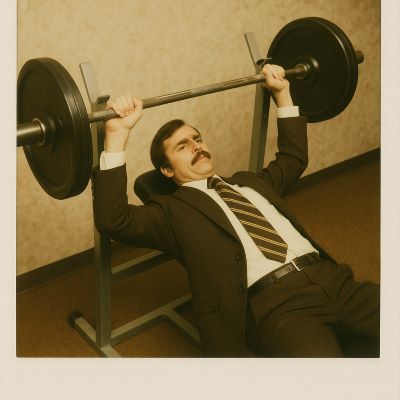
We all know the value of exercise. You go to the gym to lift weights, run on the treadmill, or maybe stretch through a yoga class. Each of these activities targets different aspects of your physical health: strength, stamina, flexibility. If you don’t exercise those muscles, they weaken over time. Of course, Leadership is no different. Being an effective leader isn’t a fixed trait—it’s a skillset. And like your biceps or your lungs, those skills need intentional training to stay sharp and healthy. You can’t expect to be at your best if you never put them under purposeful stress. How do we train our leadership muscle?
Training Your Leadership Muscle at Work
In the workplace, this means being deliberate. You can:
- Practice communication: Share openly, listen actively, and make sure your team understands not just what you’re saying, but why.
- Build self-awareness: Take time to reflect on how you show up for your team, what went well, and where you can improve.
- Be purposeful: Don’t just drift from meeting to meeting—set clear intentions about how you want to show up as a leader that day.
These small acts, repeated, strengthen your “leadership core.”
Another Gym for Leaders
Here’s where it gets interesting. You don’t have to limit leadership practice to the office. Just as athletes cross-train with different sports, leaders can cross-train with games.
Given the theme of this blog we’ll take Dungeons & Dragons as an example. At first glance, it’s a fantasy roleplaying game filled with dice, dragons, and dungeons. But beneath the surface, it’s an intricate leadership laboratory.
- As a Dungeon Master, you’re practicing facilitation, storytelling, and group management—all while balancing competing needs and personalities.
- As a player, you’re practicing collaboration, decision-making under uncertainty, and influencing a group without dominating it.
What’s fascinating is that, as science writer Jennifer Ouellette explains in Me, Myself and Why, our brains treat these imagined experiences as real. When you roleplay leading a group through a perilous dungeon, your memory encodes it as though you actually led people through challenges. That means the leadership muscles you work in a game session can directly strengthen the ones you’ll use in Monday’s staff meeting.
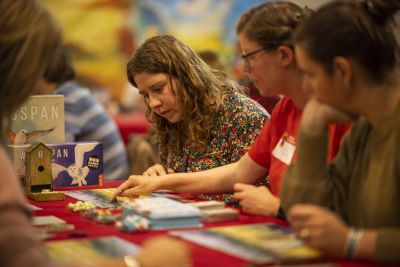
Purposeful Play as Practice
Think of it this way:
- A high-stakes project deadline is like a boss battle.
- Negotiating with a client isn’t all that different from convincing a suspicious NPC to help your party.
- Balancing diverse team needs mirrors balancing a party of adventurers with wildly different skills and motivations.
If you approach these game scenarios with intentionality—practicing clear communication, reflection, and purposeful decision-making—you’re training your leadership muscles in a safe but meaningful environment.
Keep Your Leadership Strong
Just like the gym, leadership training isn’t a one-and-done activity. You need to keep working at it. At work, in life, and yes—even in play.
So next time you roll dice at the table, don’t think of it as just a game. Think of it as a workout for your leadership. The more you train, the stronger you get.