How to Cope When Someone Leaves: Lessons from the Table

A knight leaving a party

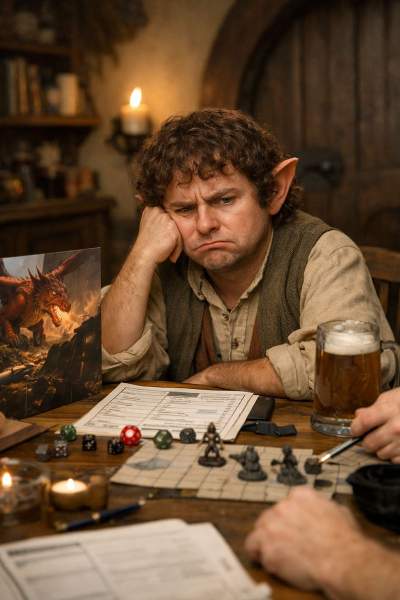
If you’ve been playing Dungeons & Dragons for any length of time, chances are you’ve had to deal with a player leaving your group. Maybe they moved cities, maybe their schedule no longer aligned, or maybe they simply felt their time at the table had run its course. Whatever the reason, it’s never easy. The same thing happens When someone leaves the workplace. A great employee—someone who’s been part of the team, shaped its culture, and made meaningful contributions—decides it’s time to move on. Whether it’s for a new opportunity, family priorities, or a career shift, their departure can feel like a gap that’s impossible to fill.

But just like in D&D, the way you handle a departure matters. Here are some lessons that apply both at the table and in business.

Acknowledge Their Contribution

At the table, when someone leaves, it’s important to recognize the adventures you’ve shared together. Their character may have been the one who always took the big risks, or the one who brought comic relief when the dice rolled badly. Take a moment to appreciate those memories.

In business, the same principle applies. Celebrate what your employee achieved. A genuine thank you, a farewell lunch, or a written acknowledgment can leave the door open for future collaboration. Recognition shows that their time mattered.

Give Them a Good Exit

Nothing sours a campaign like a character disappearing mid-adventure without explanation. A strong farewell quest or an in-world reason for their departure respects both the player and the story.

In the workplace, helping someone exit well—ensuring knowledge transfer, supporting their transition, and respecting their future plans—builds goodwill. People remember how you handled their departure just as much as how you welcomed them.

Support the Group Left Behind

When someone leaves, the group dynamic shifts. Maybe the party no longer has a healer, or maybe the person who always drove the story forward is gone. You’ll need to rebalance roles, adapt encounters, and give others space to step up.

In business, a departure can feel like a hole in the team. Rather than rushing to replace the person immediately, consider how responsibilities can be shared or redistributed. Sometimes, their leaving creates opportunities for others to grow.

Keep the Door Open

D&D players sometimes come back—after a break, after life circumstances change, or even just for a one-shot reunion. Leaving the invitation open is a sign of respect.

In business, alumni networks, open communication, and goodwill can lead to “boomerang employees”—talented people who return down the line. Even if they don’t come back, they can still be advocates for your business from the outside.

See It as Part of the Journey

Campaigns evolve. Players come and go. What matters is that the story continues.

The same is true in business. A thriving company is never static—people join, contribute, and eventually move on. When you frame departures as part of a healthy cycle, rather than a crisis, it’s easier to stay focused on growth and the future.

Final Thoughts on When Someone Leaves

Losing a player in your D&D group or an employee in your business is never easy. It changes the chemistry, forces adaptation, and can feel like the end of an era. But with appreciation, respect, and a little creativity, departures don’t have to be endings—they can be transitions.

At both the table and in the workplace, the key is the same: honor the past, support the present, and stay open to what the future brings.

Writing an Awesome Christmas-Themed Adventure for Your RPG Table

Christmas elves playing dungeons and dragons

The festive season isn’t just for family gatherings, mince pies, and exchanging (hobby related) gifts—it’s also the perfect time to gather around the table for a one-shot adventure full of cheer, chaos, and maybe a little holiday magic. Writing a Christmas themed adventure lets you bring the spirit of the season to your game while giving your players something memorable and lighthearted to enjoy during December.

Here are some tips to craft a holiday adventure that feels like the festive season yet still delivers the excitement of a great RPG session.

Start with a Festive Hook

The heart of a Christmas-themed adventure is the hook that gets your players into the festive spirit. Think of familiar seasonal traditions and twist them into adventure prompts. For example:

  • Gift Gone Missing: A magical artifact meant to be gifted has been stolen—can the heroes recover it before sunrise?
  • Save the Festival: The annual Yuletide feast is under threat from a band of mischievous goblins.
  • Escort the Sleigh: A mysterious traveler with a sack of enchanted toys needs protection on a perilous journey across winter wilderness.

These hooks keep things simple and festive while setting up plenty of fun challenges. If you are looking for further inspiration there are plenty of Christmas movies to draw inspiration from.

  • Home Alone: defend the castle from nefarious, yet bumbling bandits.
  • Die Hard: save the hostages from the evil terrorists.
  • Christmas Chronicles: Help the odd red coated wizard retrieve his lost sleigh and flying steed.

Embrace the Tropes

Like any good one-shot you need to embrace the tropes of the setting. Christmas comes preloaded with heaps of imagery you can play with: twinkling lights, snowstorms, reindeer, candy canes, and towering evergreens. Incorporate these elements as set dressing, monsters, or puzzles:

  • Animated nutcracker soldiers guarding a snowy castle.
  • Gingerbread golems defending their sugar-frosted fortress.
  • A riddle hidden inside a Christmas cracker that must be solved to progress.

Go over the top with the whimsy—it’s a holiday game, after all.

Keep It Short and Sweet

The festive season is a busy time, so plan your adventure as a one-shot and make sure to stick to it. Aim for a session that can be wrapped up in a single evening, ideally with 3–4 encounters. You want something punchy, fun, and easy to fit between Christmas shopping and family visits.

A simple structure like the Five Room Dungeon works perfectly:

  1. Entrance/Hook: Snowbound village asking for help.
  2. Puzzle/Challenge: A frozen lake that must be crossed.
  3. Setback: Rival adventurers also chasing the prize.
  4. Climax: A showdown in the lair of the villain (Krampus, Frost Giant, or corrupted elf).
  5. Reward/Resolution: Saving the holiday festival, restoring joy to the community.

Balance Humor and Heart

Like all good movies of the season, Christmas-themed adventures work best when they mix humor (silly monsters, over-the-top challenges, festive puns) with heart (themes of giving, kindness, and togetherness). Let the table laugh at a candy cane sword fight, but also give them a chance to do something meaningful, like saving a child’s wish or rekindling hope in a struggling village.

Add a Festive Villain

No Christmas story is complete without a villain threatening the joy of the season. Some ideas could include:

  • Krampus or a Mischievous Demon: Punishing the naughty in cruel ways.
  • The Winter Witch: Freezing everything to stop the festival.
  • A Bitter Toymaker: Creating cursed gifts to spread misery.

Make sure your villain has clear motivations, but don’t be afraid to keep it campy and fun. This isn’t a game to be taken too seriously.

Other Games and Scenarios

If you don’t want to take the time to write your own adventure you could always try one of these adventures and games:

Final Thought on a Christmas Themed Adventure

A Christmas-themed adventure is less about perfect balance or dramatic stakes and more about sharing joy at the table. Everyone will be beginning to feel Christmassy and running a game like this will amplify that. Fill it with festive flourishes, encourage your players to lean into the silliness, and above all, make it something they’ll talk about fondly long after the decorations come down.

So this December, grab your dice, hang some fairy lights around the table, and take your adventurers on a journey full of snow, laughter, and holiday spirit. Who knows—you might even start a new tradition.

Designing RPG Scenarios for Team Training That Actually Work

A group of D&D characters carrying a log as a team

Roleplaying games can be powerful tools for leadership development and team training—but they only work when they’re designed with intention. Over the past few years, I’ve been refining a custom ruleset called Play to Lead, which puts teamwork, communication, and pressure-tested leadership at the heart of the experience.

One of the most effective ways to use Play to Lead in a team training setting is through short, focused scenarios designed for under an hour of play. These sessions are tight, dramatic, and deliberately removed from the day-to-day office environment.

Here’s how to design a scenario that delivers impact—and leaves your team talking long after the dice are packed away.

Core Design Principles

When writing a team training RPG scenario, it pays to keep these core design elements in mind:

1. Keep It Short and Punchy

  • Total play time: under 1 hour
  • Structure: Maximum of three encounters, but plan for two core ones. The third is there only if the players are making good time.
  • Leave 10–15 minutes for a debrief at the end to unpack learning

2. Make It Dangerous

There must be risk—real failure (with potentially fictional character harm) on the table. If the players feel safe, they won’t act decisively or rely on one another. The best learning comes when people feel the stakes. Other types of risk can also work, perhaps a valley might flood taking the town with it, or an endangered species go extinct.

3. Encourage Real Teamwork

Design challenges that cannot be solved alone. Players should have overlapping roles, limited resources, and opportunities to lead, follow, and communicate under pressure. Give the players the tools, bit in a way where they must work together. For example, getting the spaceship under control requires players solving problems on the bridge and the engine room at the same time. Both locations interact and only together can the players get to the planet safely.

4. Include Time Pressure

Introduce a ticking clock. Whether it’s literal (“the bomb goes off in 10 minutes”) or narrative (“the bridge collapses in three turns”), urgency forces action and creates drama. Having the clock represented visually also keeps that sense of urgency very much alive.

5. Build Around a Theme

Each scenario should have a clear soft-skill theme. All the problems and challenges should be built around it. These could include:

  • Teamwork under pressure
  • Negotiation and influence
  • Making tough ethical decisions
  • Navigating difficult conversations

6. Use Familiar Tropes

Whatever you do, don’t set it in an office. Choose an accessible genre with clear stakes and vivid roles. Beg, borrow and steal from popular culture. Familiar settings help participants jump in quickly and focus on the challenge, not the setting.

Some obvious examples include:

  • Zombie apocalypse (28 Days later)
  • Pulp adventure (Indiana Jones)
  • High fantasy dungeon crawl (Lord of the Rings)
  • Sci-fi space mission (Apollo 13)
  • Spy thriller with double-crosses (James Bond)
Using popular films for inspiration helps players get into the game faster.

Team Training Scenario Examples

Here are two fun Play to Lead scenarios built around these principles:

1. “Outbreak at Sector 9”

Genre: Sci-fi survival
Theme: Teamwork and resource prioritisation
Setup: A distress signal lures your small team of engineers and security officers to an abandoned space station. Something’s gone wrong—and the infected are still inside.
Encounters:

  • Navigate a power outage while restoring access to life support
  • Decide who gets the only dose of antidote when an ally is bitten
  • Escape before the AI initiates a total lockdown
    Time Pressure: 45 minutes before total station shutdown
    Teamwork Element: Only through clear role delegation and resource sharing can the team survive. The Engineer has to fix life support, while the Medic has the antidote and only the Captain has a key to the AI core.

2. “The Temple of Twin Flames”

Genre: Pulp fantasy adventure
Theme: Negotiation and difficult conversations
Setup: You are rival adventurers forced to work together to recover an artifact before a cult completes a dark ritual. But not everyone wants the same outcome…
Encounters:

  • Cross a booby-trapped bridge with limited equipment
  • Parley with a cursed guardian who tests your morals
  • Decide whether to destroy the artifact or use it
    Time Pressure: Eclipse occurs in 60 minutes—sealing the artifact’s fate
    Teamwork Element: Conflicting goals mean teamwork isn’t just logistical—it’s emotional and strategic. Each player has a secret agenda for the artifact. Can they come to an agreement to enable them to escape. Or will their disagreement see them stuck in the collapsing temple forever?

Debrief: The Most Important Encounter

Always leave time for debriefing—this is where the real learning happens. Ask players:

  • What went well?
  • Where did communication break down?
  • What decision was hardest, and why?
  • What would you do differently in real life?

You’ll be surprised how naturally players draw lessons from the scenario and link them back to work.

Final Thoughts on Team Training

Roleplaying scenarios don’t need to be long or complex to make an impact. With the Play to Lead ruleset and a focused scenario design, you can run powerful 1-hour sessions that bring out the best in your team—and help them grow through play.

If you’re designing your own sessions, start with a theme, wrap it in an exciting genre, and make sure the stakes are high. Just don’t forget to debrief—because that’s where fantasy becomes leadership development.