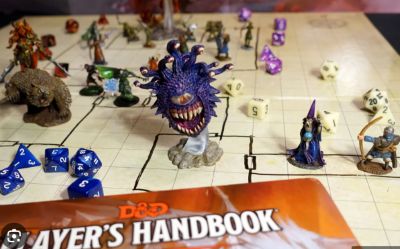

Leaving a Legacy — as a Leader and as a Dungeon Master

When people talk about leaving a legacy, it often sounds grand — the kind of word reserved for visionary founders, political figures, or historical heroes. But in truth, legacy doesn’t have to be about something monumental or world-changing. It can be quieter, more personal, and built moment by moment through the people we influence and the culture we create.

As a leader, I think about legacy not as an accolade or a plaque on the wall, but as a living thing. It’s the ripple effect that continues long after you’ve stepped away. It’s the culture you build, the behaviours you reward, and the sense of belonging that people carry with them long after they’ve left your business.

A Leadership Legacy Built on Culture

For me, legacy begins with culture. I want to build a workplace where people genuinely enjoy what they do and who they work with. Where collaboration and kindness aren’t seen as soft skills, but as strengths that drive performance. Where people are trusted, supported, and encouraged to grow — not just into better employees, but into better leaders themselves.

If you can build that kind of culture — one that values connection, creativity, and care — it doesn’t stay contained within your walls. Over time, the people who thrive in it take those values with them. They share them in new teams, new organisations, and new industries. That’s how a leadership legacy grows: not through policies or slogans, but through people.

When I think about my own leadership legacy, I want it to be something that continues to live in others. I want to know that years down the line, someone who worked with my business or team is leading a team of their own — and that the positive culture we built together influenced how they lead. That’s how real change happens — not in a single moment, but through a chain of shared values that spreads quietly and steadily.

The DM’s Legacy: Building Worlds, Friendships, and Escape

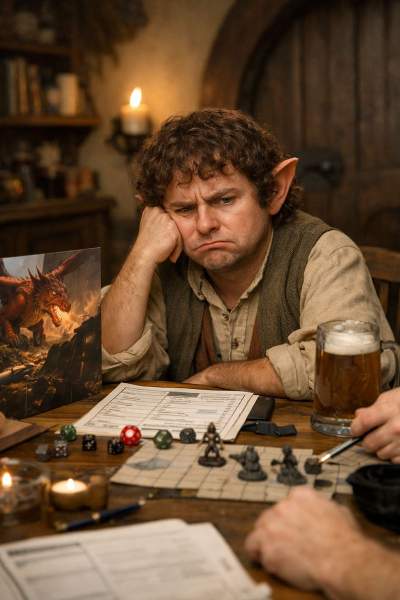
Strangely enough, that idea of leaving a legacy — of creating something that lives on through people — feels very familiar to me. Because I’ve seen it before, at the Dungeons & Dragons table.

When you’re a Dungeon Master, you put a lot of energy into building worlds, crafting encounters, and bringing characters to life. You think your legacy might be the epic storyline you’ve designed or the clever twist you’ve hidden behind a screen. But in the end, that’s not what people remember.

What lasts are the friendships that form around the table. The laughter that comes from an unexpected dice roll. The moments when everyone forgets their phones and the outside world because they’re fully immersed in the story you’re telling together. That’s your true legacy as a DM — creating a shared experience that gives people a break from everyday life and connects them in a meaningful way.

I’ve seen players who started in my games go on to run their own campaigns, taking inspiration from the way we told stories or the sense of inclusion they felt at the table. Just like in leadership, the culture you create as a DM doesn’t stop when the session ends. It spreads — through new games, new friendships, and new worlds imagined by others.

Building a Lasting Legacy

When I think about leaving a legacy now — whether as a leader or a DM — I think of it less as an outcome and more as a community. It’s about creating something that feels safe, inspiring, and empowering, and then letting others carry it forward in their own way.

In leadership, that might mean building a team that lives your values long after you’ve moved on. In D&D, it might mean a circle of friends who still share stories and inside jokes years after the campaign ended.

Ultimately, both are about people and the stories we build together. The kind of legacy that matters most isn’t written down — it’s remembered, retold, and relived.

So whether it’s through the people I lead or the players I guide, my hope is the same: that something about the experience stays with them. That they take what we’ve built — the culture, the connection, the sense of possibility — and carry it into whatever comes next.

Because that’s what leaving a legacy is all about. Not the mark you leave on the world, but the spark you leave in others.

Build Your Practical Coaching Skills With D&D

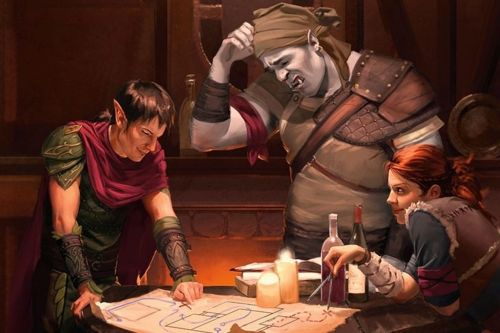
Orc coach giving practical coaching tips

A couple of weeks ago we looked at how D&D can give insight into leadership coaching. Coaching is about unlocking the potential of others—helping them find their own solutions, build confidence, and grow. And a session of D&D gives you dozens of opportunities to practice exactly that. In this article I look at some ways to gain practical coaching skills through playing D&D with your mates.

Here’s a few tips to help your practical coaching skills.

Active Listening: Pay Attention to the Details

At the table: In D&D, missing a detail in the Dungeon Master’s description can mean walking into a trap. Players learn to listen carefully, not just to what is said, but how it’s said.

In leadership: Listening with intent is the foundation of good coaching. Instead of planning your response while someone speaks, focus fully on their words, tone, and body language. Then reflect back what you heard:

  • “It sounds like you’re feeling stretched thin—what part of the project is weighing most heavily?”

Ask Questions, Don’t Give Orders

At the table: When a player is unsure what to do, the best response isn’t “You should cast Fireball.” It’s asking questions like, “What’s your wizard best at in this situation?” That prompts them to think, decide, and take ownership.

In leadership: Instead of solving problems for your team, use open-ended questions to help them discover solutions:

  • “What options have you considered?”
  • “What outcome would you like to see?”
  • “What support do you need from me to make that happen?”

This shifts you from problem-solver to coach.

Encourage Quieter Voices

At the table: Every party has a quiet player who might get overshadowed by louder personalities. A skilled Dungeon Master or fellow player creates space by inviting them in: “Hey, what’s your rogue’s take on this plan?”

In leadership: Teams are the same. Coaching means ensuring every voice is heard. You might ask:

  • “I’d like to hear your perspective before we decide—what do you think?”

This inclusion builds confidence and uncovers fresh ideas.

Celebrate Creativity and Experimentation

At the table: Sometimes the “right” solution isn’t obvious—so players experiment. They may try to distract the dragon with a song or use a spell in a clever, unintended way. Great D&D groups celebrate the attempt, win or lose.

In leadership: Coaching encourages experimentation without fear of failure. Acknowledge effort and creativity, even when results aren’t perfect:

  • “That was a smart angle—you tested something new, and we learned from it.”

This builds psychological safety and fosters innovation.

Turn Setbacks into Learning

At the table: Characters fail rolls. Plans go sideways. But those moments often lead to the best stories. Players learn to laugh, adapt, and move forward.

In leadership: Coaching reframes mistakes as opportunities:

  • “What worked here, and what would you try differently next time?”

This approach develops resilience and problem-solving skills in your team.

Final Thoughts on Practical Coaching

When you play D&D, you practice listening, questioning, encouraging, celebrating, and reframing setbacks. All of these are core practical coaching skills. Bring them into your workplace and you stop being the one with all the answers—you become the leader who helps others shine.

So, next time you sit down for a session, remember: you’re not just slaying dragons—you’re sharpening your skills as a coach.

Gain Powerful Coaching Skills Through Dungeons & Dragons

A coach leading a team of orc football players

Coaches can be an important part of every leaders journey. They help the leader reflect and learn from their experiences. My personal leadership journey has greatly benefitted from both informal mentors and formal coaches. In fact, I still catch up with a coach regularly to reflect on my own leadership. These conversations have really helped me step out of the day to day and see my leadership from a broader perspective. As a leader it is beneficial to gain coaching skills to help your own staff reflect on their own journeys. Interestingly, I believe that coaching skills can be learned within Dungeons and Dragons, hidden within the game’s innate storytelling and teamwork. Whether you’re sitting behind the Dungeon Master’s screen or playing as a character, D&D creates countless opportunities to guide, support, and unlock the potential of others—exactly what effective coaching is all about.

Coaching in the Dungeon

As I’ve discussed before, in D&D, success rarely comes from one hero acting alone. The party needs to share ideas, coordinate strategies, and support each other through challenges. This collaboration creates a natural environment for coaching moments. Here are a few examples:

  • Encouraging quieter voices: A player who hesitates to speak up can be brought into the conversation by gentle prompts—“What does your rogue think about this plan?”—mirroring how a leader ensures all team members contribute.
  • Asking guiding questions: Instead of dictating solutions, you can ask your fellow players questions that help them find their own answers. “What would your character want to do here?” is not far from “What do you think the best next step for this project is?”
  • Building confidence: Just like a Dungeon Master might celebrate creative problem-solving, leaders can acknowledge small wins that encourage team members to take on bigger challenges.

Coaching Lessons at the Table

I must caveat the following with he fact that I am not a coach, but i have benefitted greatly through being coached. I am also purposeful in trying to use coaching techniques with both my own team members and D&D table. Through roleplay and problem-solving, you learn practical coaching behaviors. Here are a few to consider at your next session:

  1. Active Listening: D&D demands attention. A missed detail could mean falling into a trap, and in leadership, missing someone’s concern can erode trust. Listening closely to others’ words—especially what’s between the lines—builds empathy and understanding.
  2. Empowerment Over Direction: In-game, it’s tempting to tell others what the “best move” is. But the best D&D sessions happen when everyone feels ownership of their choices. Leaders, too, unlock the best results by empowering rather than directing.
  3. Creating Safe Spaces for Experimentation: A D&D table is a place where failure isn’t the end, just the next step in the story. Leaders who coach with the same mindset—viewing setbacks as learning opportunities—help their teams grow stronger.

Bringing Coaching from the Table to the Workplace

When you carry these habits into your leadership, you stop being the person with all the answers and start becoming someone who brings out the best in others. This includes:

  • Encouraging team members to develop their own solutions.
  • Supporting people to step into roles they might not initially feel ready for.
  • Helping build a culture where experimentation is valued, not feared.

That’s the essence of coaching. And what’s remarkable is that, for D&D players, this skillset grows naturally through play.

Final Thoughts

Every great adventuring party needs someone who can support, guide, and lift others up. In the same way, every great workplace needs leaders who coach. If you want to practice those skills in a low-stakes, creative, and fun environment, there’s no better training ground than a session of Dungeons & Dragons.

In a couple of weeks I’ll post an article that will explore some practical tips to help get thinking and acting more like a coach.