How to Run a Great One-Shot RPG

Long campaigns are amazing for building worlds, deep character arcs, and epic stories—but sometimes you just need a shot of adrenaline. That’s where the one-shot comes in. A one-shot is a single-session adventure designed to start and finish in just a few hours. Done right, it feels like being in a high-octane movie: fast, dangerous, and unforgettable. I’ve talked about the joy of the one-shot in a previous article here. But how do you actually run a great one-shot that lands well? Let’s find out.

Set the Ground Rules

Because one-shots run on tight timeframes, you need to make expectations clear with your group from the beginning:

  • It’s short: Everything happens in one session. No dangling plot threads.
  • It’s fast: Rules are kept simple; don’t get bogged down in fiddly mechanics.
  • It’s dangerous: Character death is on the table. That danger makes choices matter.

Letting your players know upfront that this is not your regular slow-burn campaign gets them invested. Tonight is about pace, energy, and action.

Quick Character Creation (or Pre-Gens)

Time is precious. You don’t want to spend an hour on character creation for a three-hour game. You’ve got two options:

Pre-Generated Characters: Hand players ready-made characters. Give each one a short description and a couple of unique abilities or quirks. Bonus points if you add a little “secret” or motive to fuel roleplay.

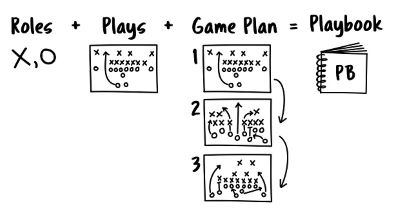
Fast Build Rules: Strip character creation down to the essentials: name, a role, a quirk, and what they’re good at. Systems like Those Dark Places, Mothership, or Dungeon World do this brilliantly. Even D&D can be hacked for speed by handing out simplified sheets. Another option would be to provide playbooks to speed up character creation while giving players a meaningful customization.

Aim to have characters ready in 5–10 minutes, max.

Pick a Different Genre

A great one-shot is the perfect excuse to step outside your group’s regular game. If your campaign is fantasy, try a sci-fi horror. If you’re usually running superheroes, jump into pulp mystery. The contrast makes the session feel fresh and exciting.

Changing genre also helps players break free of their usual habits. A D&D rogue might always act a certain way, but suddenly they’re playing a doomed spaceship mechanic or a washed-up detective with different motivations. That fresh perspective fuels creativity.

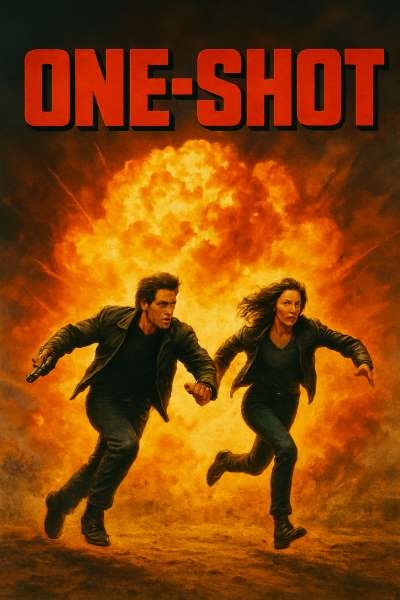
A Great One-Shot is Like a Movie

The best one-shots feel cinematic. Here’s a few ideas to help bring the excitement of the big screen into the game.

  • Cold Open: Throw players straight into action—explosions, monsters, a chase. Skip the slow build.
  • Middle Twist: Add a big revelation that flips the situation on its head.
  • Final Showdown: End with a bang. The danger should feel real, and not everyone has to make it out alive.

If you structure it like a two-hour action movie, the pacing will carry the game.

Be like Spinal Tap, dial it up to Eleven.

Keep It High Action & Dangerous

In a campaign, the DM sometimes dials back the risk to preserve story arcs. In a great one-shot, you can crank the danger up to eleven. Encourage bold play and reckless decisions:

  • Throw in bigger monsters or threats than you usually would.
  • Use time pressure (ticking clocks, collapsing buildings, oxygen running out).
  • Say yes to crazy plans—and let the dice decide if they succeed spectacularly or crash in flames.

The point is excitement, not balance.

Tips & Tricks for Smooth Play

Here are a few extra tips to wring the most out of your game:

  • Limit prep: Don’t write a novel. Outline three encounters, with a twist and a finale.
  • Visual cues: Use props, handouts, or mood music to instantly set the tone.
  • Encourage roleplay fast: Give each character one hook or motivation to lean into right away.
  • Embrace chaos: Players will do something unexpected. Roll with it—it’s part of the fun.

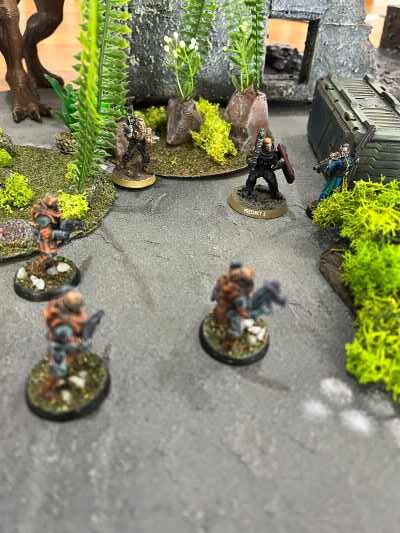
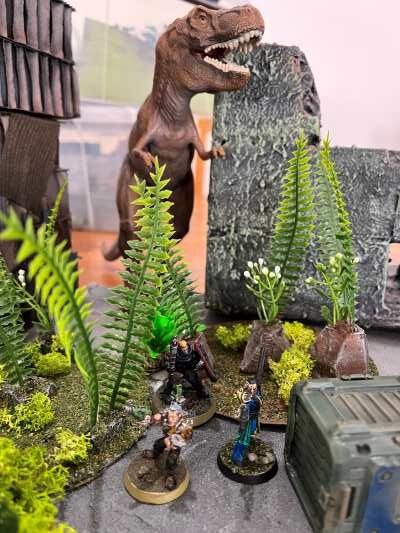
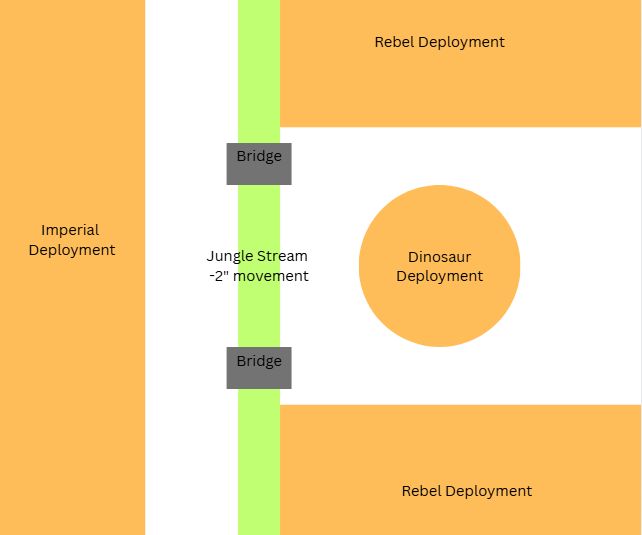
I tried to incorporate as much of the above as possible in my recent Star Wars themed One-Shot.

Final Thought

Running a one-shot is like directing a blockbuster movie. Keep it lean, keep it moving, and keep it dangerous. By the end, your players should feel like they just went on a wild ride—and you’ll all return to your regular campaign with fresh energy.

So next time a couple of players can’t make your regular session—or you just want to try something new—queue up a one-shot. Lights, camera, dice!

Fast, Fun, and Focused: Using Character Playbooks to Enhance Your Game

Character Playbooks

Character creation is often one of the most exciting, and sometimes most daunting, parts of starting a new roleplaying game. For many, it’s a chance to dream up a bold new identity. For others, it’s a speed bump they need to get through before the fun begins. That’s where character playbooks come in.

Popularized by games like Blades in the Dark and Dungeon World, playbooks are pre-structured character archetypes that bundle together key decisions: attributes, gear, special moves, and even personality prompts. Making each character feel distinctive and unique. They let players jump into the action fast, without sacrificing the creativity and individuality that make roleplaying so engaging.

But playbooks aren’t just great for steampunk heists or fantastical dungeon crawls—they’re also an incredible tool for leadership-focused RPGs and team training games like my own Play2Lead.

What Makes Playbooks Powerful?

At their core, playbooks do three key things:

  1. Simplify Decision-Making: Instead of choosing from dozens of classes, feats, skills, and powers, players select a playbook and make a few meaningful choices within it. This lowers the cognitive load and keeps the game moving, while still making character creation meaningful.
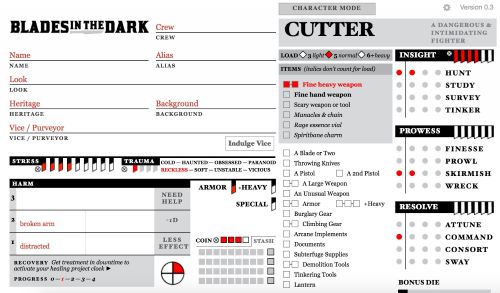
  2. Set Expectations: A Cutter in Blades in the Dark is likely to be physical, intimidating, and direct. The playbook leads the player in that direction through the choices that it offers. clarity like this really helps players quickly understand their role in the team and how they might contribute.
  3. Encourage Roleplay: Many playbooks include bonds, questions, or prompts that nudge players into thinking about how their character sees the world—and how they’ll interact with the rest of the group.

These features combine to create a quicker, smoother onboarding process—perfect for groups who want to dive into the action or get through a session during a lunch break.

An example of one of the Blades in the Dark Character Playbooks

How Character Playbooks Can Elevate Play2Lead

In my own game Play2Lead, the focus is on leadership, communication, and teamwork in a roleplaying context. It’s a game designed to help people learn by doing—to explore different leadership styles, solve complex problems together, and reflect on how they interact in a group. Currently character creation sits with a broad occupation, leadership style and one stat (exhaustion). Using playbooks might be a quick way for participants to engage with the game and understand what’s expected of them during play.

Here’s how playbooks can serve that mission:

  • Align with Leadership Styles: Playbooks in Play2Lead could represent leadership archetypes: The Visionary, The Facilitator, The Challenger, The Harmoniser, etc. Each one comes with strengths, blind spots, and a unique way of contributing to the team.
  • Jumpstart the Game: With predefined goals, triggers, and interpersonal dynamics, players can hit the ground running. This is especially helpful in one-shot sessions or corporate workshops where time is limited. You could also include a differing objective for each player, letting them work through conflict and compromise.
  • Create Teachable Moments: By embedding questions like “What do you do when your suggestion is ignored?” or “How do you handle team conflict?”, playbooks can gently guide players into valuable moments of reflection and growth.

Overall including a playbook system in Play2Lead is a great way to create more depth into the scenarios. Now instead of just trying to escape the Lost Temple, we can include interparty conflict and different objectives that better reflect teams in the real world.

Using Playbooks with Traditional D&D-Style Games

Playbooks aren’t exclusive to narrative indie RPGs—they can be layered onto more rules-heavy systems like Dungeons & Dragons to help get new or time-strapped players into the story faster. Imagine starting a D&D one-shot where the group is a squad of mercenaries. Each player picks a playbook with questions like:

  • The Veteran (Fighter/Leader) – “Who saved your life once, and what do you owe them?”
  • The Scout (Rogue/Observer) – “What truth have you discovered that no one else believes?”
  • The Mystic (Cleric/Wild Card) – “What vision haunts your dreams, and how does it shape your choices?”

These pre-framed characters help players understand not only what their characters can do, but also who they are, and why they’re involved in the mission. You don’t need to rewrite the D&D rulebook—just wrap character choices in storytelling scaffolding that speeds things up and adds emotional depth.

For inspiration, Simon Carryer has developed some great playbooks for older versions of D&D, check them out here.

Making Your Own Playbooks

Creating your own playbooks is easier than it sounds. Think of it like designing a template that sparks imagination while setting clear boundaries. Here’s a quick method:

  1. Define the Role: What job does this character do in the team? What are they responsible for?
  2. List Core Abilities: Pick 2-3 key strengths. Keep the wording accessible: “You keep the group calm in crisis” is better than “+2 to Persuasion.”
  3. Add Unique Moves or Perks: Give each playbook one or two special abilities or tools that make them distinct.
  4. Prompt Player Reflection: Include a few questions about values, goals, or backstory. These help the player bring the character to life in their own way.
  5. Include Interpersonal Hooks: Write 2-3 “bonds” or connections to other team members. These generate immediate relationships and drama.

Final Thoughts on Character Playbooks

Playbooks are more than shortcuts—they’re powerful frameworks for story and chartacter depth. Whether you’re sneaking through a haunted city in Blades in the Dark, solving a leadership challenge in Play2Lead, or running a team-building D&D session, playbooks help players connect quickly, act decisively, and reflect meaningfully.

So next time you’re planning a game—whether for fun, training, or both—consider developing some playbooks. You’ll be amazed at how fast your players step into the story and start leading.

Emergent Gameplay — Co-Creating Awesome Adventures with Your Players

emergent gameplay

If you’ve ever run a tabletop roleplaying game and watched a story unfold in ways you never expected, you’ve already experienced emergent gameplay—the joy of watching a narrative evolve not from a script, but from a conversation.

Few systems embrace this more fully than Dungeon World. Built on the Powered by the Apocalypse engine, Dungeon World encourages GMs and players alike to let go of control and lean into collaborative storytelling. At the heart of this approach is a powerful principle: the game world belongs to everyone at the table.

This article explores how Dungeon World’s GM advice promotes emergent play, highlights key techniques, and shows how these tools can shape rich, player-driven narratives.

What Is Emergent Gameplay?

Emergent gameplay is storytelling that arises during play, rather than being planned in advance. It’s what happens when players surprise the GM with clever choices, and the GM says “yes, and…” instead of redirecting. It’s the difference between following a script and building a story together. Dungeon World thrives on this. It asks GMs to prepare situations, not scripts, and to embrace the unexpected. The game’s core principles encourage openness, improvisation, and player input.

The Dungeon World GM Principles

Some of the key principles from Dungeon World that promote emergent storytelling include:

  • Ask questions and use the answers
  • Draw maps, leave blanks
  • Play to find out what happens
  • Make a move that follows

These aren’t just rules for Dungeon World—they’re tools for any GM who wants to co-create with their players.

Let’s look at one of the most powerful techniques: Paint the Picture questions.

“Paint the Picture” Questions

This is a technique where the GM prompts the player to help describe the world around them, often adding emotional, cultural, or sensory details.

Examples:

  • “You enter the ruined temple. What about it tells you that this place was once holy to your people?”
  • “As you step into the market square, what sound overwhelms you first?”
  • “What’s the one thing in the bandit leader’s camp that surprises you?”

These questions do more than build the setting. They:

  • Signal to players that their ideas shape the world
  • Tap into backstory, emotion, and personal stakes
  • Provide instant richness and depth with minimal prep

You’re not just running a game—you’re inviting players to become storytellers alongside you.

Co-Creation in Practice

In Dungeon World, players don’t just fill out a character sheet—they fill out the world. There are even paint the picture questions on the character sheets. When you ask a player, “Who rules this town, and why do you owe them a favour?” you’re inviting them to help shape the political landscape. When you ask, “Why do you fear the forest you grew up next to?” you’re creating lore together.

Some GMs are nervous about giving up control. But the truth is, player input doesn’t dilute your world—it enriches it. The players don’t need to invent major plot points. Even small contributions (a tavern name, a strange superstition, a former ally) add texture and depth.

The secret is to guide, not dictate—to build the skeleton and let the group add the muscles, skin, and spirit.

Making Emergence the Core (Or Just a Flavour)

This co-creative style can form the foundation of your game. A whole Dungeon World campaign might begin with just a few questions:

  • “What threat looms over this land?”
  • “Who among you has a connection to it?”
  • “Why is your party already in trouble?”

From those seeds, an entire world blossoms.

But you don’t have to go all-in. These techniques work just as well in a more traditional game like D&D or Pathfinder:

  • Use “Paint the Picture” questions to add local colour and culture
  • Let players invent small NPCs or towns they’ve visited
  • Ask what their character remembers about a place or why they hate a particular enemy

A few well-placed questions can shift players from passive participants to creative collaborators.

Final Thoughts on Emergent Gameplay

Dungeon World’s approach reminds us of something essential: roleplaying games are not individual performances—they’re involved conversations. When players feel like their ideas matter, the story becomes theirs. That ownership creates richer narratives, stronger investment, and more memorable moments.

Whether you use emergent techniques as your main style or just sprinkle them in for flavour, the result is the same: a world that feels alive, responsive, and uniquely yours. So next session, don’t ask what the players do. Ask them what they see. What they fear. What they hope for. Then let the adventure emerge.

I’ve compiled a two page emergent play prompt sheet full of paint the picture questions for you to use at your table. Visit the Play2Lead area from the top menu to download your copy.