Build Your Practical Coaching Skills With D&D

Orc coach giving practical coaching tips

A couple of weeks ago we looked at how D&D can give insight into leadership coaching. Coaching is about unlocking the potential of others—helping them find their own solutions, build confidence, and grow. And a session of D&D gives you dozens of opportunities to practice exactly that. In this article I look at some ways to gain practical coaching skills through playing D&D with your mates.

Here’s a few tips to help your practical coaching skills.

Active Listening: Pay Attention to the Details

At the table: In D&D, missing a detail in the Dungeon Master’s description can mean walking into a trap. Players learn to listen carefully, not just to what is said, but how it’s said.

In leadership: Listening with intent is the foundation of good coaching. Instead of planning your response while someone speaks, focus fully on their words, tone, and body language. Then reflect back what you heard:

  • “It sounds like you’re feeling stretched thin—what part of the project is weighing most heavily?”

Ask Questions, Don’t Give Orders

At the table: When a player is unsure what to do, the best response isn’t “You should cast Fireball.” It’s asking questions like, “What’s your wizard best at in this situation?” That prompts them to think, decide, and take ownership.

In leadership: Instead of solving problems for your team, use open-ended questions to help them discover solutions:

  • “What options have you considered?”
  • “What outcome would you like to see?”
  • “What support do you need from me to make that happen?”

This shifts you from problem-solver to coach.

Encourage Quieter Voices

At the table: Every party has a quiet player who might get overshadowed by louder personalities. A skilled Dungeon Master or fellow player creates space by inviting them in: “Hey, what’s your rogue’s take on this plan?”

In leadership: Teams are the same. Coaching means ensuring every voice is heard. You might ask:

  • “I’d like to hear your perspective before we decide—what do you think?”

This inclusion builds confidence and uncovers fresh ideas.

Celebrate Creativity and Experimentation

At the table: Sometimes the “right” solution isn’t obvious—so players experiment. They may try to distract the dragon with a song or use a spell in a clever, unintended way. Great D&D groups celebrate the attempt, win or lose.

In leadership: Coaching encourages experimentation without fear of failure. Acknowledge effort and creativity, even when results aren’t perfect:

  • “That was a smart angle—you tested something new, and we learned from it.”

This builds psychological safety and fosters innovation.

Turn Setbacks into Learning

At the table: Characters fail rolls. Plans go sideways. But those moments often lead to the best stories. Players learn to laugh, adapt, and move forward.

In leadership: Coaching reframes mistakes as opportunities:

  • “What worked here, and what would you try differently next time?”

This approach develops resilience and problem-solving skills in your team.

Final Thoughts on Practical Coaching

When you play D&D, you practice listening, questioning, encouraging, celebrating, and reframing setbacks. All of these are core practical coaching skills. Bring them into your workplace and you stop being the one with all the answers—you become the leader who helps others shine.

So, next time you sit down for a session, remember: you’re not just slaying dragons—you’re sharpening your skills as a coach.

Gain Powerful Coaching Skills Through Dungeons & Dragons

A coach leading a team of orc football players

Coaches can be an important part of every leaders journey. They help the leader reflect and learn from their experiences. My personal leadership journey has greatly benefitted from both informal mentors and formal coaches. In fact, I still catch up with a coach regularly to reflect on my own leadership. These conversations have really helped me step out of the day to day and see my leadership from a broader perspective. As a leader it is beneficial to gain coaching skills to help your own staff reflect on their own journeys. Interestingly, I believe that coaching skills can be learned within Dungeons and Dragons, hidden within the game’s innate storytelling and teamwork. Whether you’re sitting behind the Dungeon Master’s screen or playing as a character, D&D creates countless opportunities to guide, support, and unlock the potential of others—exactly what effective coaching is all about.

Coaching in the Dungeon

As I’ve discussed before, in D&D, success rarely comes from one hero acting alone. The party needs to share ideas, coordinate strategies, and support each other through challenges. This collaboration creates a natural environment for coaching moments. Here are a few examples:

  • Encouraging quieter voices: A player who hesitates to speak up can be brought into the conversation by gentle prompts—“What does your rogue think about this plan?”—mirroring how a leader ensures all team members contribute.
  • Asking guiding questions: Instead of dictating solutions, you can ask your fellow players questions that help them find their own answers. “What would your character want to do here?” is not far from “What do you think the best next step for this project is?”
  • Building confidence: Just like a Dungeon Master might celebrate creative problem-solving, leaders can acknowledge small wins that encourage team members to take on bigger challenges.

Coaching Lessons at the Table

I must caveat the following with he fact that I am not a coach, but i have benefitted greatly through being coached. I am also purposeful in trying to use coaching techniques with both my own team members and D&D table. Through roleplay and problem-solving, you learn practical coaching behaviors. Here are a few to consider at your next session:

  1. Active Listening: D&D demands attention. A missed detail could mean falling into a trap, and in leadership, missing someone’s concern can erode trust. Listening closely to others’ words—especially what’s between the lines—builds empathy and understanding.
  2. Empowerment Over Direction: In-game, it’s tempting to tell others what the “best move” is. But the best D&D sessions happen when everyone feels ownership of their choices. Leaders, too, unlock the best results by empowering rather than directing.
  3. Creating Safe Spaces for Experimentation: A D&D table is a place where failure isn’t the end, just the next step in the story. Leaders who coach with the same mindset—viewing setbacks as learning opportunities—help their teams grow stronger.

Bringing Coaching from the Table to the Workplace

When you carry these habits into your leadership, you stop being the person with all the answers and start becoming someone who brings out the best in others. This includes:

  • Encouraging team members to develop their own solutions.
  • Supporting people to step into roles they might not initially feel ready for.
  • Helping build a culture where experimentation is valued, not feared.

That’s the essence of coaching. And what’s remarkable is that, for D&D players, this skillset grows naturally through play.

Final Thoughts

Every great adventuring party needs someone who can support, guide, and lift others up. In the same way, every great workplace needs leaders who coach. If you want to practice those skills in a low-stakes, creative, and fun environment, there’s no better training ground than a session of Dungeons & Dragons.

In a couple of weeks I’ll post an article that will explore some practical tips to help get thinking and acting more like a coach.

The Power of Active Listening in Dungeons & Dragons and Life

When playing Dungeons & Dragons (D&D), where dragons soar, magic crackles, and heroes rise, one skill is often often-overlooked: active listening. As players gather around the table, dice in hand and imaginations alight, the ability to truly hear and understand one another can transform a good campaign into an unforgettable adventure. But beyond the realm of fantasy, the art of active listening cultivated during game sessions can also wield its magic in the workplace. Done well it shapes collaboration, creativity, and communication. Let’s delve deeper into the significance of this skill in both spheres and uncover tips to master this skill.

Understanding Active Listening in D&D

During game sessions, active listening isn’t just about waiting for your turn to speak or hearing the Dungeon Master’s (DM) narration. It’s about fully engaging with your fellow adventurers. From the dramatic monologues of a bard to the cautious plans of a rogue, every player brings their unique perspective to the table. Practicing this skill ensures that each voice is not just heard but truly valued.

Elevating Gameplay

Practicing active listening is everyone’s responsibility and should form a key part of both the DM and players toolkits. Here are some ways it enhances the game experience:

  1. Fostering Collaboration: D&D is a collaborative storytelling experience where every player’s input shapes the narrative. Being attentive encourages players to build upon each other’s ideas, creating richer plotlines and more dynamic encounters.
  2. Deepening Character Connections: By actively listening to their companions, players can better understand their characters’ motivations, fears, and aspirations. This empathy leads to stronger bonds within the party, enhancing role-playing and immersion.
  3. Improving Decision-Making: In the heat of battle or during crucial decision points, active listening ensures that no valuable information is overlooked. By carefully considering each party member’s input, players can make more informed choices, increasing their chances of success.
Tips for Mastering Active Listening

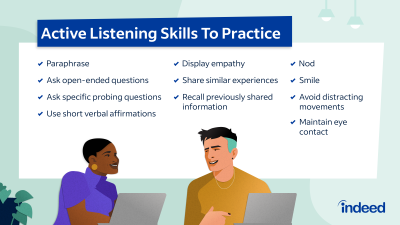
It’s all very well for me to bang on about the virtues of active listening, but how do we actually do it. Here are some tips that will help get you started:

  1. Stay Engaged: Maintain eye contact, nod in acknowledgment, and avoid distractions to show that you’re fully present in the game.
  2. Ask Clarifying Questions: If something isn’t clear or you need more details, don’t hesitate to ask. This not only demonstrates active listening but also enriches the storytelling experience.
  3. Reflect on Others’ Contributions: After a player shares their ideas or concerns, paraphrase their points to ensure understanding. This demonstrates respect and encourages further collaboration.
  4. Share the Spotlight: Resist the urge to dominate conversations or actions. Instead, actively encourage quieter players to share their thoughts and contribute to the story.

For more tips, why not visit this article by the Harvard Business Review.

Active Listening Beyond the Table

The advantages of active listening aren’t confined to the realm of orcs, adventurers and dice. In fact, they seamlessly translate into the modern workplace. Here are some of the benefits:

  1. Effective Communication: This skill fosters clear communication by ensuring that all perspectives are considered before decisions are made.
  2. Teamwork and Collaboration: Teams that actively listen to one another are better equipped to collaborate, problem-solve, and innovate, leading to more successful outcomes.
  3. Conflict Resolution: By practicing empathy and understanding in D&D, players develop invaluable conflict resolution skills that can diffuse tensions and foster positive relationships in the workplace.
  4. Leadership Development: Whether leading a party or a project team, active listening is a hallmark of effective leadership. Leaders who listen are better equipped to inspire, motivate, and empower their colleagues.

Final thoughts

In the game of Dungeons & Dragons, where tales of heroism and adventure unfold, the power of active listening reigns supreme. By honing this skill at the gaming table, players not only enhance their gameplay experience but also cultivate invaluable abilities that extend far beyond the boundaries of the fantasy world. So, as you gather with your fellow adventurers for your next campaign, remember the words of wisdom: listen well, for in the echoes of your companions’ voices lies the magic of true adventure.

When will you have an opportunity to practice active listening next?