
In a podcast interview that I listened to years ago, Ed Greenwood (creator of forgotten Realms) dropped a deceptively simple truth about being a great Dungeon Master that has stayed with me ever since. To paraphrase: you have to experience life.
Not read more rulebooks. Not collect more minis. Not memorise another setting sourcebook.
Experience life.
He talked about travelling the world. Riding horses bareback. Firing a bow and arrow. Feeling wind, fear, exhaustion and exhilaration. The things that leave marks on your body and stories in your bones. Those experiences, Greenwood suggested, are what let you portray strange worlds and extraordinary moments at the tabletop with authenticity.
The longer I’ve run D&D, the more I’ve realised how right he is.
Reality Is the Best Sourcebook
Fantasy worlds feel real when they’re grounded in the senses. The crunch of gravel under boots. The way cold creeps into your joints. The smell of stagnant water that makes you hesitate before stepping forward. These aren’t things you invent from nothing. They’re memories, lightly disguised.
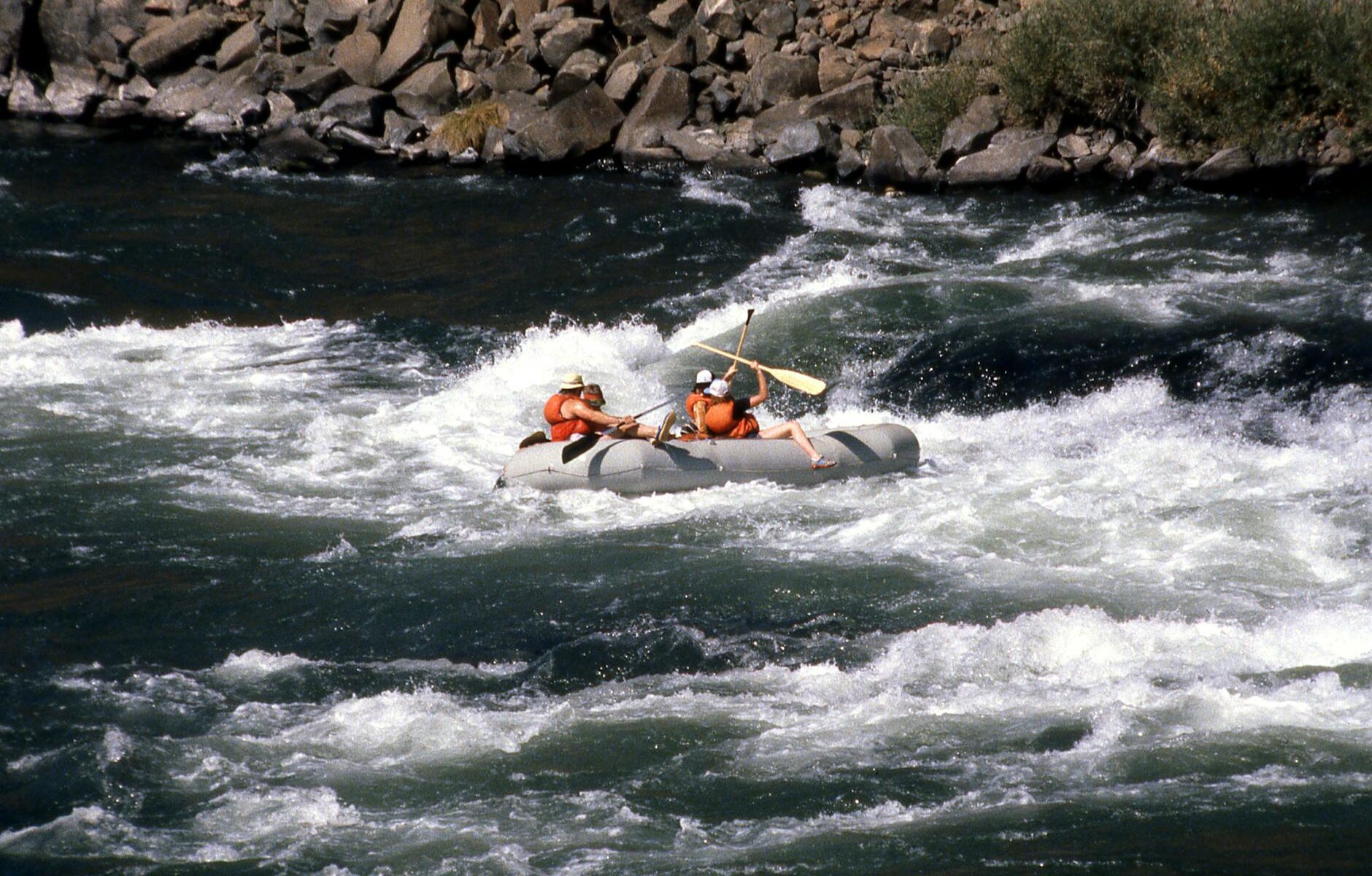
I’ve climbed mountains and know what it’s like to tiredly trudge through snow. I’ve hiked through terrain so beautiful it makes you slow down just to stare. I’ve rafted and canoed down rough rivers where the line between control and chaos is a single bad decision. I’ve camped next to mosquito riddled swamps and explored ancient castles. I’ve ridden a profoundly uncomfortable horse and learned exactly how long “a short ride” can feel.
Every one of those moments has shown up at my table. Not as a literal retelling, but as texture.
When players trudge through a flooded jungle, I know how heavy wet clothes feel after hours. When they’re exhausted after a forced march, I know how decision-making degrades when you’re tired, sore, and hungry. When they hesitate at a raging river crossing, I remember how loud fast water really is, and how small it makes you feel.
Culture, Conflict, and Perspective
Travel does more than provide scenery. It shifts perspective.
Exploring different countries and cultures teaches you that there is never just one way to do things. Customs that seem strange at first make perfect sense once you understand the values behind them. That lesson is gold for worldbuilding. Suddenly your fantasy cultures stop being “humans but with hats” and start feeling internally consistent, even when they’re alien.
Joining the army reserves taught me something else entirely: how groups function under pressure. How authority feels from the inside. How boredom, fear, camaraderie, and dark humour coexist. That experience reshaped how I run military orders, mercenary companies, and disciplined enemies. It also changed how I portray leadership, loyalty, and the cost of following orders.
Again, not as autobiography. But as understanding the essence of situations.
Experience Creates Empathy
The more life you live, the easier it becomes to inhabit other perspectives. You’ve been cold, scared, lost, uncomfortable, elated, overwhelmed. That emotional library lets you respond to player choices in ways that feel human, even when the NPC isn’t.
A terrified goblin negotiates differently if you remember fear.
A weary guard sounds different if you’ve pulled a long watch.
A triumphant victory rings truer if you know what hard-earned success feels like.
Players sense that difference. They might not articulate it, but they feel it. The world reacts in ways that make sense because it’s been filtered through lived experience rather than pure imagination.
The Invitation
This isn’t a call to quit your job and backpack across the world, though if you can, fantastic. It’s a reminder that inspiration isn’t confined to your desk, your bookshelf, or your VTT assets folder.
Get out there and experience life.
Try things that are mildly uncomfortable. Learn a skill you’re bad at. Travel somewhere unfamiliar, even if it’s just a few hours away. Spend a night outside. Talk to people whose lives look nothing like yours. Pay attention to how it feels to be tired, excited, nervous, and out of your depth.
Then bring that back to the table.
Your worlds will feel stranger, richer, and more believable not because you imagined harder, but because you lived more. And in the end, that might be the most powerful DM tool of all.