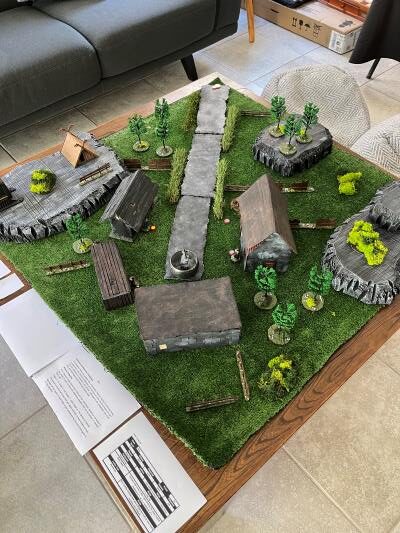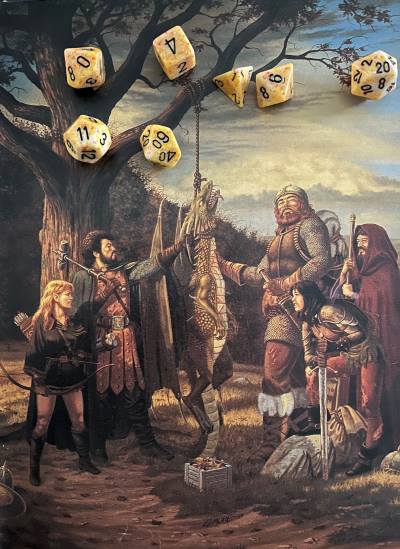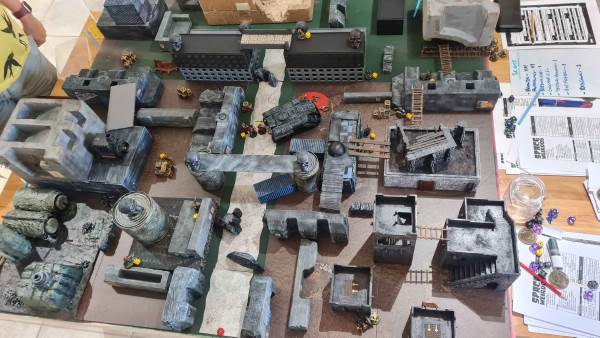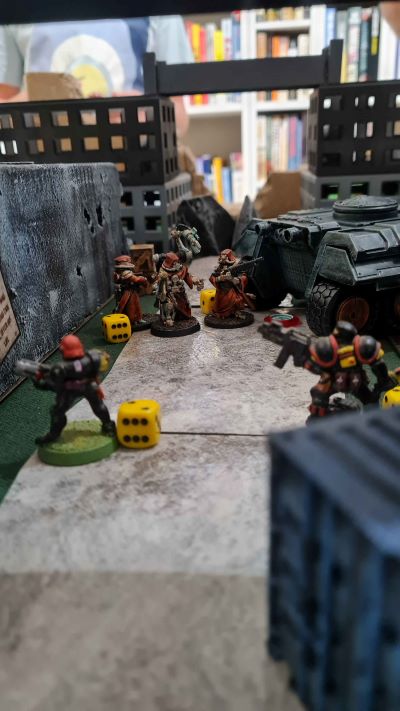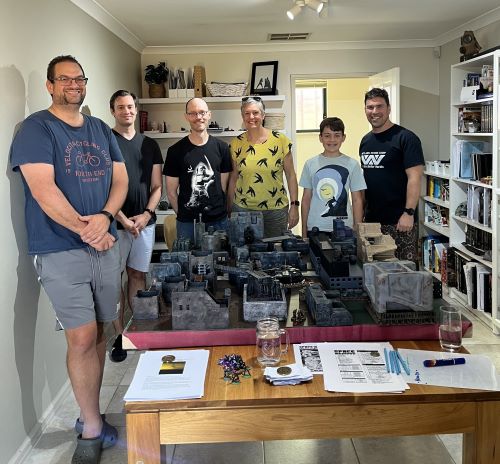
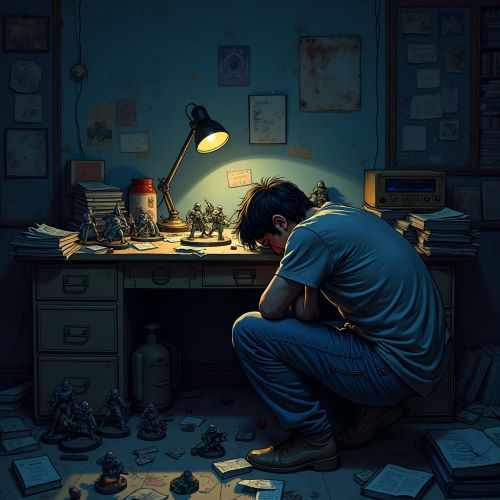
The worlds of the roleplaying and gaming hobbies are filled with thrilling stories, deep characters, and endless creative opportunities. Whether you’re slinging spells or battling for survival, these games have drawn people in for decades. Yet, many enthusiasts find themselves concealing their passion, feeling hesitant to share it with others because of a phenomenon known as “hobby shame.” I should know, as I’ve experienced this strongly at different periods in my life.
What is Hobby Shame?
Hobby shame is that nagging feeling of embarrassment or self-consciousness about a pastime that doesn’t fit societal norms. People may feel pressured to hide hobbies that are perceived as “childish” or “geeky” by some, like painting miniatures, designing dungeon maps, or discussing the lore of a fantasy world in detail.
For D&D and Warhammer fans, hobby shame might come from a misconception that these games are outdated, escapist, or frivolous pursuits. However, we know that the reality is far different—these hobbies offer rich opportunities for creativity, social connection, and skill-building that go beyond mere escapism.
My Hobby Shame
As a kid I loved all things fantasy and quickly gravitated to Dungeons & Dragons and Warhammer. The sense of having another world at your very fingertips was intoxicating for me. It’s difficult to pinpoint when I started to feel shame about my hobby. However, I think it was early in high school.
Adolescence is a difficult at the best of times. Trying to understand your place in the world and fit in can be excruciating. For me, like most other people, I struggled to find the balance. Of course, roleplaying and wargames were very much a niche past time. While I loved all things D&D and miniature games gave me a huge kick, I found it incredibly difficult to open up about it at school, mainly I think, due to a fear of ridicule. While I did game with some friends, I hung with another crowd with did not. This was compounded at home with my Dad regularly making fun of the hobby. While not malicious, this made me split my world in two. The secret gaming side and the other skateboarding person.
Knowing what I know now, I’m sure it wouldn’t have been a big deal. But there was a huge reticence in wearing my D&D heart on my sleeve.
This continued through to University, where despite joining the RPG Society and gaming every Sunday I was still reluctant to share my hobby outside of that circle. Fast forward to my thirties. I finally didn’t care what people thought and am open about my passion for gaming with friends and colleagues. Of course this blog helps get it out there. As such I’ve made some great friends who I game with regularly and even converted a few non-gaming friends. Funnily enough most people are really interested in the hobby. Only one friend takes the piss, and he is now very much outnumbered.
Where Hobby Shame Comes From
I find it difficult to pinpoint where this feeling of “hobby shame” came from for me. It’s probably a mix of the following:
Societal Expectations: Fantasy gaming has historically been niche, associated with stereotypes about “nerds” and “geeks.” Society has often stigmatized fans of fantasy games as lacking social skills or living in an imaginary world.
Age Stereotypes: Some people see these hobbies as things you “grow out of.” The image of painting miniatures or playing a tabletop RPG is often pigeonholed as a teenage or college-age activity rather than a fulfilling, lifelong pursuit.
Misunderstandings About Complexity: To an outsider, a complex game like Warhammer or D&D can look intimidating, making the appeal difficult to understand. People unfamiliar with the games may wonder, “How can something with such intricate rules and detailed worlds be fun?” This lack of understanding can lead to dismissive or judgmental attitudes.
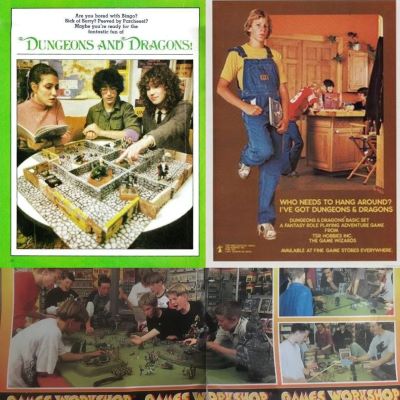
Why We Shouldn’t Be Ashamed of Our Hobbies
There are lots of reasons why we shouldn’t accept hobby shame. Luckily we now live in a world where D&D, video games and miniature gaming are at all time popularity highs. Societal norms are much more accepting and people are beginning to understand the benefits of a hobbies like ours, including:
Fostering Creativity: Whether painting Warhammer miniatures or designing a D&D campaign, these hobbies involve significant creativity. Crafting a D&D storyline involves weaving together characters, setting, and narrative arcs, much like a writer or filmmaker. In Warhammer, painting armies and building terrains allows players to express their artistic vision. Creativity isn’t just child’s play—it’s a skill with tangible mental health benefits and real-world applications.
Building Social Connections: Both D&D and Warhammer are fundamentally social. In D&D, players work together to overcome challenges, requiring teamwork and communication. Warhammer is no different; players build friendships with fellow hobbyists as they share tips on tactics, painting, and lore. These games foster strong bonds, often forming communities that are inclusive, supportive, and diverse.
Learning Problem-Solving and Strategy: Far from being mindless pastimes, D&D and Warhammer encourage players to think strategically. In D&D, players tackle complex problems, often working together to find creative solutions. Warhammer’s tactical depth requires planning, patience, and resilience. These problem-solving skills translate into professional and personal life, developing qualities like patience, adaptability, and resilience.
Encouraging Emotional Resilience: Losing a cherished character in D&D or seeing a meticulously painted Warhammer squad defeated in battle can be a test of emotional resilience. Players learn to accept failure and understand that setbacks are part of the experience. Resilience is a valuable trait, helping us navigate challenges in real life.
The Joy of Play: As we get older life becomes much more serious. The real world demands so many responsibilities that we forget the joy of play. Immersing ourselves in hobbies like these allows us to reconnect to play, which has huge benefits to our mental health. To learn more about Play check out the National Institute of Play. I’ll definitely be exploring this more in a future article.
Embracing and Sharing Our Hobbies
The key to overcoming hobby shame is to take pride in what these games offer and to share that pride with others. Here are a few ways to do this:
Build Confidence Through Community: By connecting with other D&D or Warhammer fans, you’ll find a supportive group of people who understand the hobby’s unique value. Attend local meetups, join online forums, or visit gaming shops. Being part of a community makes it easier to let go of feelings of shame.
Explain the Benefits: When people outside the hobby question it, try explaining what you love about it. Sharing stories of teamwork in D&D or showing off a well-painted miniature can help others see the value and creativity involved.
Integrate the Hobby Into Your Routine: Try small actions like proudly displaying a painted miniature at work or mentioning a memorable D&D session. Making the hobby a normal part of your life can help ease feelings of shame, turning it into something you enjoy openly.
Reclaiming the Joy
Dungeons & Dragons and Warhammer are so much more than escapist fantasies. They’re platforms for creative expression, emotional growth, and meaningful social connections. Embracing these games openly can help dispel the misconception that they’re childish or strange and help foster a richer community of people who share in this imaginative pursuit.
By challenging hobby shame, we can make the gaming table a space not just for fantastic adventures but for real-world growth, resilience, and joy. Whether you’re rolling dice in a dungeon or painting your latest squad, know that your hobby has value—both to you and to the world around you.