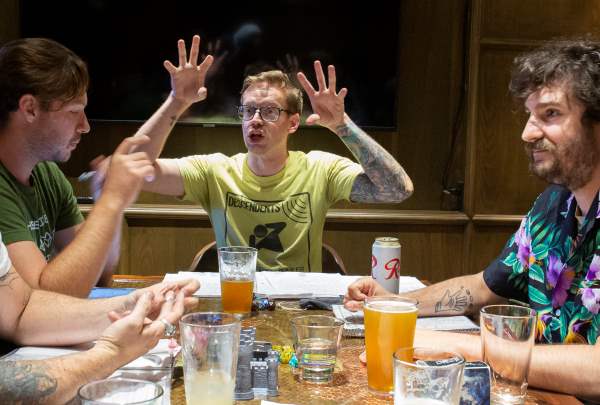

Is it Hard to be a Dungeon Master?

Being a Dungeon Master takes a lot of hard work and practice to get the hang of it. So, if you’re a little nervous about taking on this role, try having a practice run. You could write up a short adventure of your own or try running the beginner’s set published by the makers of D&D, The Lost Mines of Phandelver.

Embarking on the journey of becoming a Dungeon Master (DM) takes you into a world of creativity, strategy, and storytelling. Whether you’re a seasoned player or a newcomer to tabletop roleplaying games, taking on the role of the DM can be both exhilarating and daunting. However, the question remains: Is it hard to be a Dungeon Master? Let’s delve into this subject and explore some tips for running a game, even in the unconventional setting of the workplace.

The Challenges of Being a Dungeon Master

Being a DM comes with its unique set of challenges that may intimidate even the most seasoned players. Here are some common hurdles you might encounter:

1. Crafting a Compelling Narrative:

Creating a captivating storyline that keeps your players engaged can be a daunting task. Balancing intrigue, suspense, and player agency requires careful planning and improvisation skills. A good way to start is to keep it simple. A basic easy to follow set up with some fun villains can keep that first session straight forward to run. Additionally, limiting plot complexity allows the players to jump right in tot he action.

2. Managing Player Dynamics:

Each player brings their own personality, playstyle, and expectations to the table. It can be challenging to ensure that everyone feels included and has the opportunity to shine without overshadowing others. One very easy way to achieve this is to move the action from player to player around the table. Making sure no-one gets missed and lettign everyone have regular moments in the spotlight.

3. Rules Mastery:

While it’s essential to understand the rules of the game system you’re playing, being a DM often means making quick decisions on the fly. Striking a balance between adhering to the rules and keeping the game flowing smoothly is key. If the rules feel too complex choose a game with a simpler, pared down ruleset

4. Creative Problem-Solving:

Players are notorious for thinking outside the box, which means you’ll often encounter unexpected scenarios. As a DM, you must be ready to adapt and improvise to keep the game moving forward. As mentioned above, keeping the narrative simple at first gives you more space to improvise around unexpected player solutions. In fact, when I plan a game I set up the scenario premise without considering exactly how the players will actually succeed. This prevents wasting time on excessive planning and keeps the game exciting for me, as the gameplay evolves before my eyes.

Is it hard to run D&D games at work?

Tips for Running a Game at Work

This wouldn’t be DnD at Work without incorporating some element of work related shenanigans. Running a game session in a workplace setting presents its own set of challenges and opportunities. Here are some tips to help you navigate this unique environment:

1. Establish Clear Expectations:

Before diving into the game, communicate with your colleagues about the tone, frequency, and expectations for the sessions. Make sure everyone is on the same page regarding time commitments and player conduct.

2. Keep Sessions Short and Manageable:

Given the busy schedules of most workplaces, it’s essential to keep game sessions concise and focused. Aim for sessions that fit within a lunch break or after-hours time slot to avoid disrupting productivity. Running a couple of encounters over an hour at lunch can be a great way to make sure it doesn’t disrupt the actual work that needs to get done.

3. Foster Collaboration and Teamwork:

Use the game as an opportunity to strengthen bonds and encourage teamwork among your colleagues. Emphasize the importance of cooperation and problem-solving within the context of the game, mirroring real-world workplace dynamics.

4. Be Flexible and Adaptive:

Understand that work-related interruptions or scheduling conflicts may arise unexpectedly. Be flexible and willing to adjust session times or accommodate changes to ensure everyone can participate without feeling overwhelmed.

5. Emphasize Fun and Relaxation:

While RPGs can be intense and immersive, don’t lose sight of the primary goal: having fun! Encourage laughter, creativity, and imaginative storytelling to create a positive and enjoyable experience for everyone involved.

Final Thoughts

Being a Dungeon Master certainly comes with its share of challenges, but with careful planning, adaptability, and a sprinkle of creativity, it’s a role that anyone can excel in. Whether you’re running a game with friends or colleagues in a workplace setting, the key is to foster collaboration, communication, and above all, fun. So gather your party, roll some dice, and embark on an unforgettable adventure together!

Remember, you’ll never get good at it if you never try.

Visionary Leadership: Shine the Light with Dungeons & Dragons

As leaders, visionaries stand out as guiding lights, inspiring others with their bold ideas and transformative outlook. While the concept of visionary leadership may seem elusive, the immersive world of Dungeons & Dragons (D&D) offers a unique platform for honing visionary skills and unleashing leadership potential. By embracing the role of Dungeon Master (DM) or player, individuals can cultivate the traits essential to visionary leadership.

What is Visionary Leadership

Visionary leadership is like being the captain of a ship, charting a course towards an inspiring and ambitious destination. It’s about having a clear and compelling vision of the future, coupled with the ability to articulate that vision in a way that motivates others. A visionary leader not only sees what’s possible but also inspires and empowers their team to join them on the journey. They possess the foresight to anticipate trends and challenges. As well as the courage to take bold risks in pursuit of their vision. Ultimately, visionary leadership is about driving positive change, shaping the future, and leaving a lasting impact on the world.

Some real world examples include:

  • Elon Musk
  • Nelson Mandela
  • Jane Goodall
  • Gary Gygax
  • Richard Branson
  • Greta Thunberg

Crafting a Compelling Narrative

At the heart of visionary leadership lies the ability to articulate a compelling vision. A vivid depiction of a desired future that ignites passion and motivation. In D&D, the DM serves as the architect of the narrative, weaving together plotlines, characters, and settings to create an immersive experience for players. By crafting engaging narratives, aspiring visionary leaders learn the art of storytelling. Letting them paint a vivid picture of their vision and captivate the hearts and minds of their team.

Embracing Creativity and Innovation

Visionary leaders are synonymous with creativity and innovation, daring to challenge the status quo and explore new possibilities. When playing D&D, players are encouraged to think outside the box, improvising solutions to unforeseen challenges and imagining fantastical worlds . By embracing this spirit of creativity and innovation in gameplay, individuals cultivate the visionary mindset. A necessary component to envisioning bold futures and pioneering change in the real world.

Fostering Collaboration and Empowerment

Leadership is not a solitary endeavor but thrives on collaboration and empowerment. In D&D, players form adventuring parties, each member bringing unique skills and perspectives to the table. Successful parties excel through effective communication, collaboration, and delegation of tasks, empowering each member to contribute to the collective success. By leading and participating in collaborative gameplay, individuals learn to harness the collective intelligence of their team, fostering a culture of innovation and empowerment in their leadership approach.

Navigating Uncertainty with Resilience

Visionary leadership requires the resilience to navigate uncertainty and adversity with unwavering determination. In D&D, adventurers confront significant challenges—from treacherous dungeons to formidable foes. All require resilience, adaptability, and quick thinking to overcome obstacles and achieve their goals. By immersing themselves in the unpredictable world of D&D, individuals develop the resilience necessary to weather setbacks, pivot in the face of adversity, and stay the course toward their vision.

Gandalf (a good example of a visionary leader) leading from the front!

Inspiring Hope and Belief

Leaders with a strong vision have the power to inspire belief in a brighter future. Allowing them to rallying others around their vision with unwavering conviction and optimism. In D&D, the DM serves as a beacon of hope for players, guiding them through the darkest of dungeons and instilling confidence in their abilities to overcome challenges. A good DM, like a good leader, is the teams greatest champion, encouraging them to even greater success. By embodying the role of the DM or playing characters that inspire hope and belief in their party members, individuals cultivate the ability to motivate others toward a shared vision of success.

Embodying Ethical Leadership

Great leaders are anchored in integrity, ethics, and a sense of purpose beyond personal gain. In D&D, players are faced with moral dilemmas and ethical choices that test their character and principles. By navigating these challenges with integrity and ethical clarity, individuals cultivate the moral compass necessary to lead with authenticity and inspire trust in their leadership.

Final Thoughts on Visionary Leadership

When playing D&D, the journey of becoming a visionary leader unfolds through immersive storytelling, creative problem-solving, collaborative gameplay, resilience in the face of adversity, and a commitment to ethical leadership. By embracing the transformative power of the game as a training ground for leadership (visionary or otherwise), individuals can unlock their full potential and embark on a quest to shape a better future—for themselves, their teams, and the world at large.

Side Note – You’ll have noticed that I’ve used Gandalf in the imagery for this article. I belief he is a great example of a visionary leader that appeals to Geeks and non-geeks alike. For an interesting take on Gandalf as a leader check out this LinkedIn article.

The Power of Active Listening in Dungeons & Dragons and Life

When playing Dungeons & Dragons (D&D), where dragons soar, magic crackles, and heroes rise, one skill is often often-overlooked: active listening. As players gather around the table, dice in hand and imaginations alight, the ability to truly hear and understand one another can transform a good campaign into an unforgettable adventure. But beyond the realm of fantasy, the art of active listening cultivated during game sessions can also wield its magic in the workplace. Done well it shapes collaboration, creativity, and communication. Let’s delve deeper into the significance of this skill in both spheres and uncover tips to master this skill.

Understanding Active Listening in D&D

During game sessions, active listening isn’t just about waiting for your turn to speak or hearing the Dungeon Master’s (DM) narration. It’s about fully engaging with your fellow adventurers. From the dramatic monologues of a bard to the cautious plans of a rogue, every player brings their unique perspective to the table. Practicing this skill ensures that each voice is not just heard but truly valued.

Elevating Gameplay

Practicing active listening is everyone’s responsibility and should form a key part of both the DM and players toolkits. Here are some ways it enhances the game experience:

  1. Fostering Collaboration: D&D is a collaborative storytelling experience where every player’s input shapes the narrative. Being attentive encourages players to build upon each other’s ideas, creating richer plotlines and more dynamic encounters.
  2. Deepening Character Connections: By actively listening to their companions, players can better understand their characters’ motivations, fears, and aspirations. This empathy leads to stronger bonds within the party, enhancing role-playing and immersion.
  3. Improving Decision-Making: In the heat of battle or during crucial decision points, active listening ensures that no valuable information is overlooked. By carefully considering each party member’s input, players can make more informed choices, increasing their chances of success.

Tips for Mastering Active Listening

It’s all very well for me to bang on about the virtues of active listening, but how do we actually do it. Here are some tips that will help get you started:

  1. Stay Engaged: Maintain eye contact, nod in acknowledgment, and avoid distractions to show that you’re fully present in the game.
  2. Ask Clarifying Questions: If something isn’t clear or you need more details, don’t hesitate to ask. This not only demonstrates active listening but also enriches the storytelling experience.
  3. Reflect on Others’ Contributions: After a player shares their ideas or concerns, paraphrase their points to ensure understanding. This demonstrates respect and encourages further collaboration.
  4. Share the Spotlight: Resist the urge to dominate conversations or actions. Instead, actively encourage quieter players to share their thoughts and contribute to the story.

For more tips, why not visit this article by the Harvard Business Review.

Active Listening Beyond the Table

The advantages of active listening aren’t confined to the realm of orcs, adventurers and dice. In fact, they seamlessly translate into the modern workplace. Here are some of the benefits:

  1. Effective Communication: This skill fosters clear communication by ensuring that all perspectives are considered before decisions are made.
  2. Teamwork and Collaboration: Teams that actively listen to one another are better equipped to collaborate, problem-solve, and innovate, leading to more successful outcomes.
  3. Conflict Resolution: By practicing empathy and understanding in D&D, players develop invaluable conflict resolution skills that can diffuse tensions and foster positive relationships in the workplace.
  4. Leadership Development: Whether leading a party or a project team, active listening is a hallmark of effective leadership. Leaders who listen are better equipped to inspire, motivate, and empower their colleagues.

Final thoughts

In the game of Dungeons & Dragons, where tales of heroism and adventure unfold, the power of active listening reigns supreme. By honing this skill at the gaming table, players not only enhance their gameplay experience but also cultivate invaluable abilities that extend far beyond the boundaries of the fantasy world. So, as you gather with your fellow adventurers for your next campaign, remember the words of wisdom: listen well, for in the echoes of your companions’ voices lies the magic of true adventure.

When will you have an opportunity to practice active listening next?