When Rival Parties Enter the Dungeon: Competition and Time Pressure

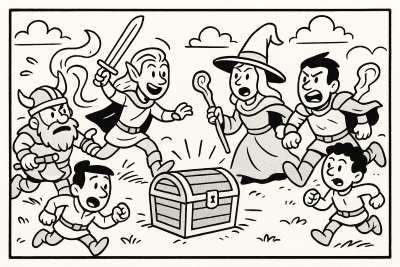
Most of the time when we think of Dungeons & Dragons, we picture a single party of adventurers delving into a dungeon, working together, fighting monsters, and uncovering treasure. But what if there were two rival parties competing for the same goal, racing against each other in real time?

I first came across this idea listening to the excellent podcast Fear of a Black Dragon, where presenter Tom McGrenery described running the Dungeon Crawl Classics adventure Piercing the Demon’s Eye for two groups at the same time. It sounded chaotic, exhilarating, and utterly brilliant.

So of course, I had to try it.

Did it work? Read on to find out.

Two DMs, Two Rival Parties

Together with my fellow DM Rich, we set up a dungeon crawl for ten friends. The twist? Instead of one unwieldy group of ten, we’re splitting them into two rival parties, entering the dungeon (Piercing the Demons Eye) five minutes apart.

The rules of engagement are simple:

  • The dungeon closes in four real-time hours. When the clock hits zero, the dungeon magically shuts. Any characters still in there are trapped, experiencing a slow and agonizing death.
  • The party with the most loot wins. If they make it out in time.
  • We’ll keep tension high with regular real-time countdowns, making every decision feel urgent. One player from each team will be designated time keeper, reminding their team mates to keep moving, or to escape.
  • On top of that, we’re borrowing a mechanic from Blades in the Dark: each time a spell is cast, a clock ticks forward. When it fills, something catastrophic is unleashed into the dungeon.

It’s part dungeon crawl, part pressure cooker, part competitive sport.

What Does This Have to Do With Leadership?

At first glance, this might just sound like a fun twist on D&D (and it absolutely will be). But it’s also a fascinating experiment in leadership under stress. Competition changes everything. When you know another team is out there grabbing treasure, time suddenly becomes your most precious resource. Leaders in the group will have to:

  • Prioritize quickly: Is it worth taking that side passage, or should we push deeper?
  • Manage risk: Do we burn spells now, advancing faster but bringing the catastrophic clock closer to midnight?
  • Balance the team’s needs: Some players may want to fight everything. Others may want to sneak past. Good leadership will mean finding the middle path without wasting precious time.

These dynamics mirror real-world leadership challenges.

Similar scenarios could be run as part of a leadership training exercise. Imagine putting your aspiring leaders through these:

  • Two groups of scavengers in a zombie apocalypse racing to loot supplies before winter. Only one settlement will thrive.
  • Rival companies bidding for the same contract, knowing only one can succeed.
  • Disaster response teams in a crisis where resources are shared between teams and time is brutally limited.

In each case, leaders need to stay calm, make rapid but thoughtful decisions, and keep their team united under pressure.

All of these scenarios can be run using my simple, easy to run Play to Lead ruleset.

Why This Works for Leadership Training

What makes games like this so effective for leadership development is that they feel real. As Jennifer Ouellette explains in Me, Myself, and Why, our brains encode roleplaying experiences as though they genuinely happened. That means when you practice making tough calls, prioritizing under pressure, and communicating clearly in a D&D dungeon, you’re exercising the same leadership “muscles” you’ll use in the workplace.

Adding competition into the mix elevates the stakes. The stress is simulated, but the feelings of urgency, pressure, and rivalry are real enough to create meaningful growth.

Bringing It Back to Work

If you want to use this kind of scenario in a leadership training environment, here are some tweaks:

  • Theme it for your group: Instead of fantasy loot, consider one of the alternative scenarios mentioned above.
  • Make consequences clear: Limited time, limited resources, and a final score that determines success or failure.
  • Encourage reflection afterwards: The real learning happens when teams debrief what worked, what didn’t, and how leadership showed up under pressure.
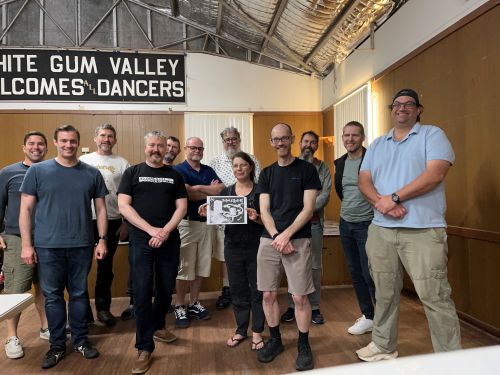
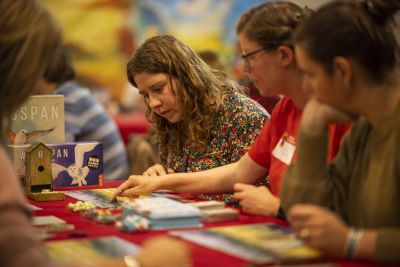
The happy participants!

Running the Game

What a blast to run! Rich had booked a community hall for the event. Everyone was primed to bring two 5E D&D characters, just in case. First we used a dice bag with coloured dice to randomly assign the teams. After explaining the premise we set the 4 hour timer and we were off.

Rich and I passed each other notes as the adventurers made their way through the dungeon. The players tables were facing each other so they were always aware of the rival party and their progress. Some of the highlights from the game were:

  • One party coming upon the other and sending an owl to trail them.
  • The first party setting traps for the second.
  • One party battling for their lives, the second popped their head in the room before beating a hasty exit.
  • The slow realisation that casting spells had an impact on the dungeon clock, but not knowing quite what it was counting down to.
  • One player sifting through the treasure horde and throwing unwanted bits into oblivion.

The teams were going to be judged by how much treasure they retrieved. So I made a series of treasure cards describing what they found, but with no value written on them. At the end of the session we totaled up the value of the rescued valuables to determine a winner. There was only 100gp between the two parties!

That being said noone actually made it out alive……

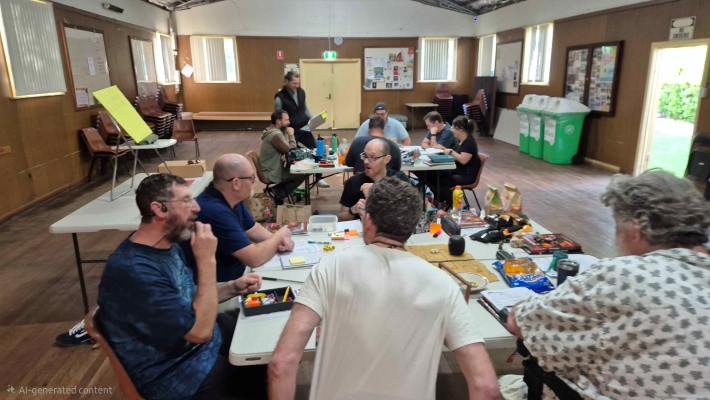
This photo shows our set up. DMs back to back, the bright yellow clock countdown to the left.

Did it Work?

Absolutely it did! The players really got into the premise of the game and told us it was a completely different experience to anything else they had played. There was great banter between the tables and the debrief dinner afterwards was great fun as they pieced together what each rival party had been up to.

Rich and I worked really well as a team. Luckily we had done a load of prep before hand so we knew the module well and how we were going to handle different parts of it. Passing notes between ourselves also added additional paranoia to the players. Always a win.

One interesting thing was that the players actually engaged with the adventure faster then we though they would. Between the two teams they covered every room and trap. This is a good lesson for next time.

I also made a mistake where my group were moving much faster than the others and caught them up without me realising. So we had two parties in the same place at the same time without seeing each other. Woops. Not to worry though, once I’d worked it out I managed to stall my guys long enough for it all to settle out again.

Final Thoughts

In the end, this experiment is both a thrilling way to play D&D and a powerful way to test leadership under competition and time stress. When two parties enter the dungeon, only one comes out on top—but everyone comes out having had a different and fun experience.

If this sort of thing appeals to you I would strongly suggest grabbing a co-DM and running this for your friends. It was a memorable event for everyone, with lots of pressure, paranoia and of course laughter.

How to Run a Great One-Shot RPG

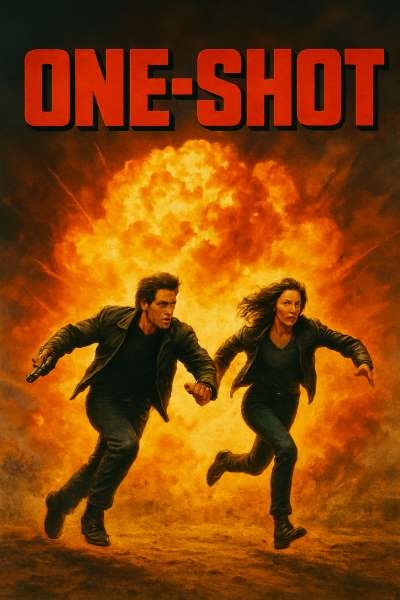
Long campaigns are amazing for building worlds, deep character arcs, and epic stories—but sometimes you just need a shot of adrenaline. That’s where the one-shot comes in. A one-shot is a single-session adventure designed to start and finish in just a few hours. Done right, it feels like being in a high-octane movie: fast, dangerous, and unforgettable. I’ve talked about the joy of the one-shot in a previous article here. But how do you actually run a great one-shot that lands well? Let’s find out.

Set the Ground Rules

Because one-shots run on tight timeframes, you need to make expectations clear with your group from the beginning:

  • It’s short: Everything happens in one session. No dangling plot threads.
  • It’s fast: Rules are kept simple; don’t get bogged down in fiddly mechanics.
  • It’s dangerous: Character death is on the table. That danger makes choices matter.

Letting your players know upfront that this is not your regular slow-burn campaign gets them invested. Tonight is about pace, energy, and action.

Quick Character Creation (or Pre-Gens)

Time is precious. You don’t want to spend an hour on character creation for a three-hour game. You’ve got two options:

Pre-Generated Characters: Hand players ready-made characters. Give each one a short description and a couple of unique abilities or quirks. Bonus points if you add a little “secret” or motive to fuel roleplay.

Fast Build Rules: Strip character creation down to the essentials: name, a role, a quirk, and what they’re good at. Systems like Those Dark Places, Mothership, or Dungeon World do this brilliantly. Even D&D can be hacked for speed by handing out simplified sheets. Another option would be to provide playbooks to speed up character creation while giving players a meaningful customization.

Aim to have characters ready in 5–10 minutes, max.

Pick a Different Genre

A great one-shot is the perfect excuse to step outside your group’s regular game. If your campaign is fantasy, try a sci-fi horror. If you’re usually running superheroes, jump into pulp mystery. The contrast makes the session feel fresh and exciting.

Changing genre also helps players break free of their usual habits. A D&D rogue might always act a certain way, but suddenly they’re playing a doomed spaceship mechanic or a washed-up detective with different motivations. That fresh perspective fuels creativity.

A Great One-Shot is Like a Movie

The best one-shots feel cinematic. Here’s a few ideas to help bring the excitement of the big screen into the game.

  • Cold Open: Throw players straight into action—explosions, monsters, a chase. Skip the slow build.
  • Middle Twist: Add a big revelation that flips the situation on its head.
  • Final Showdown: End with a bang. The danger should feel real, and not everyone has to make it out alive.

If you structure it like a two-hour action movie, the pacing will carry the game.

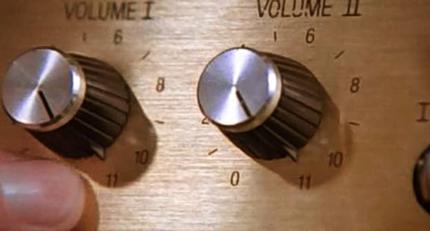
Be like Spinal Tap, dial it up to Eleven.

Keep It High Action & Dangerous

In a campaign, the DM sometimes dials back the risk to preserve story arcs. In a great one-shot, you can crank the danger up to eleven. Encourage bold play and reckless decisions:

  • Throw in bigger monsters or threats than you usually would.
  • Use time pressure (ticking clocks, collapsing buildings, oxygen running out).
  • Say yes to crazy plans—and let the dice decide if they succeed spectacularly or crash in flames.

The point is excitement, not balance.

Tips & Tricks for Smooth Play

Here are a few extra tips to wring the most out of your game:

  • Limit prep: Don’t write a novel. Outline three encounters, with a twist and a finale.
  • Visual cues: Use props, handouts, or mood music to instantly set the tone.
  • Encourage roleplay fast: Give each character one hook or motivation to lean into right away.
  • Embrace chaos: Players will do something unexpected. Roll with it—it’s part of the fun.

I tried to incorporate as much of the above as possible in my recent Star Wars themed One-Shot.

Final Thought

Running a one-shot is like directing a blockbuster movie. Keep it lean, keep it moving, and keep it dangerous. By the end, your players should feel like they just went on a wild ride—and you’ll all return to your regular campaign with fresh energy.

So next time a couple of players can’t make your regular session—or you just want to try something new—queue up a one-shot. Lights, camera, dice!

Leadership Is a Muscle—And You Need to Train It

business man training his leadership muscle

We all know the value of exercise. You go to the gym to lift weights, run on the treadmill, or maybe stretch through a yoga class. Each of these activities targets different aspects of your physical health: strength, stamina, flexibility. If you don’t exercise those muscles, they weaken over time. Of course, Leadership is no different. Being an effective leader isn’t a fixed trait—it’s a skillset. And like your biceps or your lungs, those skills need intentional training to stay sharp and healthy. You can’t expect to be at your best if you never put them under purposeful stress. How do we train our leadership muscle?

Training Your Leadership Muscle at Work

In the workplace, this means being deliberate. You can:

  • Practice communication: Share openly, listen actively, and make sure your team understands not just what you’re saying, but why.
  • Build self-awareness: Take time to reflect on how you show up for your team, what went well, and where you can improve.
  • Be purposeful: Don’t just drift from meeting to meeting—set clear intentions about how you want to show up as a leader that day.

These small acts, repeated, strengthen your “leadership core.”

Another Gym for Leaders

Here’s where it gets interesting. You don’t have to limit leadership practice to the office. Just as athletes cross-train with different sports, leaders can cross-train with games.

Given the theme of this blog we’ll take Dungeons & Dragons as an example. At first glance, it’s a fantasy roleplaying game filled with dice, dragons, and dungeons. But beneath the surface, it’s an intricate leadership laboratory.

  • As a Dungeon Master, you’re practicing facilitation, storytelling, and group management—all while balancing competing needs and personalities.
  • As a player, you’re practicing collaboration, decision-making under uncertainty, and influencing a group without dominating it.

What’s fascinating is that, as science writer Jennifer Ouellette explains in Me, Myself and Why, our brains treat these imagined experiences as real. When you roleplay leading a group through a perilous dungeon, your memory encodes it as though you actually led people through challenges. That means the leadership muscles you work in a game session can directly strengthen the ones you’ll use in Monday’s staff meeting.

Games can be a useful gym in which to train your leadership muscle.

Purposeful Play as Practice

Think of it this way:

  • A high-stakes project deadline is like a boss battle.
  • Negotiating with a client isn’t all that different from convincing a suspicious NPC to help your party.
  • Balancing diverse team needs mirrors balancing a party of adventurers with wildly different skills and motivations.

If you approach these game scenarios with intentionality—practicing clear communication, reflection, and purposeful decision-making—you’re training your leadership muscles in a safe but meaningful environment.

Keep Your Leadership Strong

Just like the gym, leadership training isn’t a one-and-done activity. You need to keep working at it. At work, in life, and yes—even in play.

So next time you roll dice at the table, don’t think of it as just a game. Think of it as a workout for your leadership. The more you train, the stronger you get.