
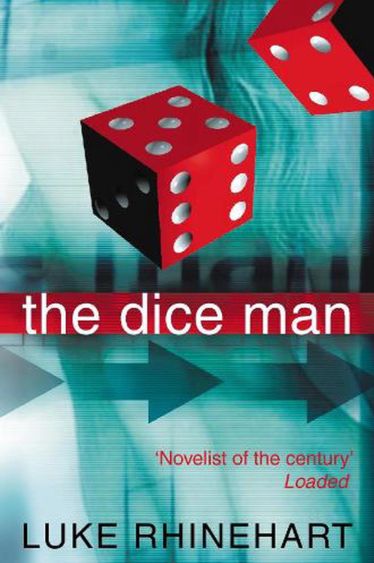
I’ve just finished reading The Dice Man by Luke Rhinehart a cult novel from the 1970’s about a man who lives his life by rolling a dice for all decisions. It’s a strange, comedic and slightly dark book and worth a read if you like that sort of thing. However, it got me thinking about the central feature of dice in the games that we play. There’s always a quiet moment just before the dice land, especially when there’s a lot hanging on the roll.
Breath held. Glances exchanged. As the dice decide your fate.
In that moment, the story does not belong to the Dungeon Master. It does not belong to the players. Instead it belongs firmly in the hands of Lady Fate. And if you let it… it can create something far more powerful than anything you planned during your session prep.
The Temptation to Control
Every Dungeon Master knows the pull. You’ve crafted the encounter. The story arc is all there. The perfect story is unfolding… until a player makes a completely unexpected choice or the dice threaten to derail everything. Using hidden rolls becomes a quiet safety net. A nudge here, a fudge there. The story stays intact. We’ve all been there, especially at the beginning of our DM careers.
But I believe that something subtle is lost in the process. When players suspect the outcome is being managed, tension fades. Victory feels softer. Failure feels less real. The game becomes less of a shared discovery and more of a guided tour. Consequently, the fun begins to fade.
Letting the dice speak is about surrendering that control. Not recklessly like Luke Rhinehart in the Dice Man, but deliberately. (Although some might say Luke Rhinehart was also being deliberate in his dicing… read the book to find out).
Open Rolls, Open Story
Rolling in the open changes the atmosphere immediately. Now, when the villain strikes, everyone sees the number and it’s associated consequence. When the rogue attempts the impossible leap, the result is there for everyone to witness. There’s no veil, no quiet adjustment behind the screen. Success or failure, it’s all there. And this, in a game, is electric.
It means that when a character fails, it wasn’t because the DM allowed it. It means when a desperate plan succeeds, it wasn’t because the DM wanted it to. The story earns its scars and triumphs honestly. Every roll matters more.

Fate is a Better Writer Than You
Here’s the uncomfortable secret: the dice often tell better stories than we do. We are chock full of preconceived ideas and notions. The books we love, the movies we’ve just watched, they’re all stored in your head waiting to be let out. Of course, the dice have none of these.
Planning a heroic last stand? The dice might deliver a sudden, brutal defeat instead. Expecting a tense negotiation? The dice might turn it into an unexpected alliance or a catastrophic insult.
These moments feel real because they are unplanned. They surprise everyone at the table, including,, most importantly, you.
Surprises like these are the heartbeat of engagement for everyone at the table. A campaign where outcomes are certain and safe becomes predictable. A campaign where fate is allowed to intervene becomes legend.
The Discipline of Not Rolling
Unlike the protagonist of the Dice Man, letting the dice tell the story does not mean rolling for everything. In fact, the opposite is true. If you roll constantly, the dice become noise and if I’m bein honest, something of an irritant. Ultimately, the magic fades. The key here is restraint. Roll when:
- The outcome is uncertain
- The stakes matter
- Failure would change the situation in a meaningful way
Don’t roll when:
- Success is obvious
- Failure would stall the game without adding tension
- The action is trivial or purely descriptive
Think of dice as the exclamation marks of your story, not every word.
Designing for Honest Outcomes
If you’re going to let fate take the wheel, your game needs to be ready for wherever it drives. That means:
- Flexible encounters: Avoid hinging progress on a single success
- Fail-forward thinking: Failure should open new paths, not close doors
- Consequences over corrections: Let outcomes reshape the world rather than trying to steer back to a plan
When the dice derail your expectations, don’t try to fix it. Go with it and see where it takes you.
Trust at the Table
Open rolling is also an act of trust. You’re telling your players: “I’m not here to beat you, and I’m not here to save you. I’m here to discover what happens with you.”
Players take bigger risks. They invest more deeply. They accept failure more readily because they know it’s real. Ultimately, the table becomes less adversarial and more collaborative. Not in the sense of controlling outcomes, but in sharing the experience of them.
When the Dice Hurt
Of course not every roll goes the way the table wants. Characters will fall at the worst possible moment. Plans will collapse. Sometimes the story will take a darker turn than expected.
This isn’t a flaw, it adds texture to the story. If you think about it the most memorable campaigns are rarely the ones where everything went right. They’re the ones where things went wrong and the group had to respond.
The Story That Emerges
When you stop hiding rolls, when you resist the urge to intervene, when you only call for dice at the moments that matter… something remarkable happens.
The story stops being something you as the DM tells. Instead it becomes something you witness. A living thing, shaped by decisions, chance, and consequence.
You’re no longer the Wizard of Oz sitting behind the curtain. You become more of a player sitting at the table, just like everyone else, watching the dice tumble and wondering…
“What happens next?”
And that question in games like these, is where the magic lives.