I’ve recently read The No-Prep Game Master by Matt Davids, and one particular idea lodged itself firmly in my brain: everything can be used in your RPG games. Not just fantasy novels and RPG sourcebooks. Everything is D&D.
News articles. Crime documentaries. Action movies. Office politics. Historical events. True crime podcasts. Weird conversations overheard in cafés. Every bit of media becomes potential fuel for your campaign once you start looking at the world through the lens of a Dungeon Master.
And honestly? It works.
The more I thought about it the more I realized that I’ve been doing this unconsciously for years now. Somewhere along the line, my brain stopped watching movies normally. I no longer see “a detective solving a mystery.” Instead there’s a quest structure. along with NPC motivations and faction conflict. I see a villain reveal waiting to happen three sessions from now.
The best part is that this dramatically reduces your prep.
Your Brain Becomes a Loot Goblin
Once you adopt this mindset, your brain starts hoarding story fragments. Watching a heist film? Congratulations, you now have:
- A dungeon structure
- A rival crew
- A countdown timer
- Three complications
- A memorable villain
- A blueprint for a one-shot
Reading about a political scandal? That’s a noble house conflict. A documentary about Everest? That’s an expedition into the frozen north. A workplace disagreement over budgets and priorities? That’s two guilds competing for influence in the capital city.
Even the nightly news can become campaign material. Strange weather events become magical disasters. Corporate mergers become kingdoms uniting through uneasy alliances. A shipping delay becomes a caravan mysteriously disappearing along a trade route.
Nothing is wasted.
Improvisation Gets Easier
One of the biggest challenges for newer DMs is improvisation. Players inevitably ignore your carefully prepared content and instead decide they want to interrogate the stable boy, open a theatre, or adopt the villain’s pet scorpion. When you’ve filled your head with story structures from books, films, games, and real life, improvisation becomes far less terrifying.
You stop trying to invent things from scratch. Instead, you remix.
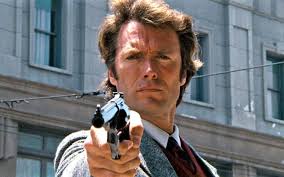
That suspicious innkeeper? He’s suddenly borrowing traits from the bartender in that crime thriller you watched last week. The corrupt city guard captain? That’s basically Clint Eastwood as Dirty Harry. “Are you feeling lucky punk?”. The mysterious ruined tower? You based it on the abandoned castle near the village you grew up in.
Improvisation stops feeling like being a rabbit in headlights. Rather it begins to feel more like being a DJ, sampling and remixing ideas you already absorbed.

Steal the Structure, Not the Surface
One thing I’ve learned over time is that the best inspiration usually comes from stealing the bones of a story rather than copying it directly. Players definitely notice when Gandalf strides into the tavern with the One Ring. However, they usually do not notice when you quietly borrow:
- The pacing of a thriller
- The emotional reveal from a drama
- The structure of a mystery
- The escalating pressure of a disaster movie
A great D&D session often feels familiar in the same way dreams feel familiar. The shapes are recognisable, but rearranged into something new. That’s the sweet spot.
The World is a DM Toolkit
The funny thing is that once you start thinking this way, it never really turns off. You’ll watch a terrible B-grade movie and think: “This villain monologue is incredible.” That article about a missing ship morphs into an island covered in undead sailors. When the local councilors disagreements spill into the papers it turns into a fantastic low-level urban adventure.
The entire world becomes a giant DM toolkit disguised as ordinary life. And the more material you absorb, the easier your games become to run.
Prep Less, Observe More
This approach doesn’t mean you never prepare sessions. But it does mean your preparation becomes lighter and more flexible. Instead of writing thirty pages of lore nobody will read, you build a collection of ideas, scenes, characters, conflicts, and story beats gathered from everywhere around you.
Then when your players inevitably set fire to the plot and run screaming into the wilderness, you already have fuel ready to throw into the engine.
There you have it, everything is D&D. You just have to start looking for it.