Designing RPG Scenarios for Team Training That Actually Work

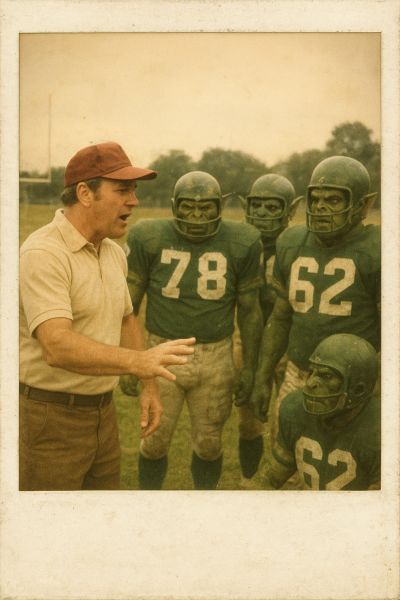
A group of D&D characters carrying a log as a team

Roleplaying games can be powerful tools for leadership development and team training—but they only work when they’re designed with intention. Over the past few years, I’ve been refining a custom ruleset called Play to Lead, which puts teamwork, communication, and pressure-tested leadership at the heart of the experience.

One of the most effective ways to use Play to Lead in a team training setting is through short, focused scenarios designed for under an hour of play. These sessions are tight, dramatic, and deliberately removed from the day-to-day office environment.

Here’s how to design a scenario that delivers impact—and leaves your team talking long after the dice are packed away.

Core Design Principles

When writing a team training RPG scenario, it pays to keep these core design elements in mind:

1. Keep It Short and Punchy

  • Total play time: under 1 hour
  • Structure: Maximum of three encounters, but plan for two core ones. The third is there only if the players are making good time.
  • Leave 10–15 minutes for a debrief at the end to unpack learning

2. Make It Dangerous

There must be risk—real failure (with potentially fictional character harm) on the table. If the players feel safe, they won’t act decisively or rely on one another. The best learning comes when people feel the stakes. Other types of risk can also work, perhaps a valley might flood taking the town with it, or an endangered species go extinct.

3. Encourage Real Teamwork

Design challenges that cannot be solved alone. Players should have overlapping roles, limited resources, and opportunities to lead, follow, and communicate under pressure. Give the players the tools, bit in a way where they must work together. For example, getting the spaceship under control requires players solving problems on the bridge and the engine room at the same time. Both locations interact and only together can the players get to the planet safely.

4. Include Time Pressure

Introduce a ticking clock. Whether it’s literal (“the bomb goes off in 10 minutes”) or narrative (“the bridge collapses in three turns”), urgency forces action and creates drama. Having the clock represented visually also keeps that sense of urgency very much alive.

5. Build Around a Theme

Each scenario should have a clear soft-skill theme. All the problems and challenges should be built around it. These could include:

  • Teamwork under pressure
  • Negotiation and influence
  • Making tough ethical decisions
  • Navigating difficult conversations

6. Use Familiar Tropes

Whatever you do, don’t set it in an office. Choose an accessible genre with clear stakes and vivid roles. Beg, borrow and steal from popular culture. Familiar settings help participants jump in quickly and focus on the challenge, not the setting.

Some obvious examples include:

  • Zombie apocalypse (28 Days later)
  • Pulp adventure (Indiana Jones)
  • High fantasy dungeon crawl (Lord of the Rings)
  • Sci-fi space mission (Apollo 13)
  • Spy thriller with double-crosses (James Bond)
Using popular films for inspiration helps players get into the game faster.

Team Training Scenario Examples

Here are two fun Play to Lead scenarios built around these principles:

1. “Outbreak at Sector 9”

Genre: Sci-fi survival
Theme: Teamwork and resource prioritisation
Setup: A distress signal lures your small team of engineers and security officers to an abandoned space station. Something’s gone wrong—and the infected are still inside.
Encounters:

  • Navigate a power outage while restoring access to life support
  • Decide who gets the only dose of antidote when an ally is bitten
  • Escape before the AI initiates a total lockdown
    Time Pressure: 45 minutes before total station shutdown
    Teamwork Element: Only through clear role delegation and resource sharing can the team survive. The Engineer has to fix life support, while the Medic has the antidote and only the Captain has a key to the AI core.

2. “The Temple of Twin Flames”

Genre: Pulp fantasy adventure
Theme: Negotiation and difficult conversations
Setup: You are rival adventurers forced to work together to recover an artifact before a cult completes a dark ritual. But not everyone wants the same outcome…
Encounters:

  • Cross a booby-trapped bridge with limited equipment
  • Parley with a cursed guardian who tests your morals
  • Decide whether to destroy the artifact or use it
    Time Pressure: Eclipse occurs in 60 minutes—sealing the artifact’s fate
    Teamwork Element: Conflicting goals mean teamwork isn’t just logistical—it’s emotional and strategic. Each player has a secret agenda for the artifact. Can they come to an agreement to enable them to escape. Or will their disagreement see them stuck in the collapsing temple forever?

Debrief: The Most Important Encounter

Always leave time for debriefing—this is where the real learning happens. Ask players:

  • What went well?
  • Where did communication break down?
  • What decision was hardest, and why?
  • What would you do differently in real life?

You’ll be surprised how naturally players draw lessons from the scenario and link them back to work.

Final Thoughts on Team Training

Roleplaying scenarios don’t need to be long or complex to make an impact. With the Play to Lead ruleset and a focused scenario design, you can run powerful 1-hour sessions that bring out the best in your team—and help them grow through play.

If you’re designing your own sessions, start with a theme, wrap it in an exciting genre, and make sure the stakes are high. Just don’t forget to debrief—because that’s where fantasy becomes leadership development.

Dealing with a Lone Wolf Player in D&D and Business

We all know that in both Dungeons & Dragons (D&D) and the workplace, teamwork is essential for success. However, every group occasionally encounters a lone wolf—an individual who prefers to act independently rather than collaborate with the team. While independence can be a valuable trait in certain situations, a lone wolf’s behavior can be detrimental when it disrupts group cohesion, communication, and shared objectives. If left unchecked, a lone wolf can cause irreparable damage to a business or group.

What Is a Lone Wolf and Why Is It Detrimental?

A lone wolf is a player or employee who operates primarily on their own, often avoiding teamwork, disregarding group plans, and making decisions without consulting others. In D&D, this could be a character sneaking off to loot treasure without the party, or a player who constantly ignores group discussions in favor of their own agenda. In business, a lone wolf might be an employee who works in isolation, hoards information, doesn’t follow process or fails to engage in team projects.

Often individually a lone wolf can be successful. For example make great sales, or make a great in game fighter. However, their unwillingness to collaborate can cause significant issues, including:

  • Lack of synergy: The group is forced to work around the individual rather than integrating them into team efforts.
  • Poor communication: Important details are missed because the lone wolf operates separately.
  • Reduced trust: Team members may feel frustrated or disconnected when the individual ignores their input.
  • Lower efficiency: The group wastes time resolving conflicts instead of focusing on their shared goals.

Strategies for Dealing with a Lone Wolf in D&D

As a Dungeon Master, your goal is to balance individual player agency with team cohesion. Here are some ways to handle a lone wolf player effectively:

  1. Understand Their Motivation – Talk to the player to understand why they prefer to work alone. Are they roleplaying a specific character concept, or do they simply dislike group decision-making?
  2. Encourage Group Decision-Making – Implement moments where cooperation is necessary, such as puzzles, multi-step combat strategies, or social encounters requiring group input.
  3. Use Narrative Consequences – If the lone wolf consistently acts against the party’s interests, have the world react accordingly. NPCs may become untrusting, or the character may face in-game consequences for their isolationist behavior.
  4. Set Clear Expectations – Before the game, establish that D&D is a cooperative experience and that all players should engage with the group’s decisions.

Strategies for Dealing with a Lone Wolf in Business

Managing a lone wolf employee requires a balance of respecting their independence while ensuring they contribute to the team’s success. Here’s how leaders can address this behavior:

  1. Identify the Root Cause – Is the employee avoiding teamwork due to a lack of trust, unclear expectations, or personal preference? Understanding their reasoning helps tailor your approach.
  2. Encourage Open Communication – Lone wolves may not realize how their actions impact the team. Provide regular feedback and encourage dialogue to align them with team goals.
  3. Assign Team-Oriented Tasks – Give them projects that require collaboration, emphasizing shared success over individual achievement.
  4. Create Accountability – Ensure that responsibilities are clearly defined and that the lone wolf must provide updates and integrate their work with the team’s efforts.

Final Thoughts

While implementing the strategies above should bring a lone wolf around to integrating more with the team, there will be instances where they will refuse to do so. If this is the case and their behavior is having a detrimental impact on the team then you should seriously consider asking them to leave the gaming group. Or, in the case of a workplace begin enacting performance management. However, DMs and leaders alike can turn a lone wolf into a valuable team player. Whether in fantasy or the workplace, the best adventures—and successes—are built on cooperation.

When Rival Parties Enter the Dungeon: Competition and Time Pressure

Most of the time when we think of Dungeons & Dragons, we picture a single party of adventurers delving into a dungeon, working together, fighting monsters, and uncovering treasure. But what if there were two rival parties competing for the same goal, racing against each other in real time?

I first came across this idea listening to the excellent podcast Fear of a Black Dragon, where presenter Tom McGrenery described running the Dungeon Crawl Classics adventure Piercing the Demon’s Eye for two groups at the same time. It sounded chaotic, exhilarating, and utterly brilliant.

So of course, I had to try it.

Did it work? Read on to find out.

Two DMs, Two Rival Parties

Together with my fellow DM Rich, we set up a dungeon crawl for ten friends. The twist? Instead of one unwieldy group of ten, we’re splitting them into two rival parties, entering the dungeon (Piercing the Demons Eye) five minutes apart.

The rules of engagement are simple:

  • The dungeon closes in four real-time hours. When the clock hits zero, the dungeon magically shuts. Any characters still in there are trapped, experiencing a slow and agonizing death.
  • The party with the most loot wins. If they make it out in time.
  • We’ll keep tension high with regular real-time countdowns, making every decision feel urgent. One player from each team will be designated time keeper, reminding their team mates to keep moving, or to escape.
  • On top of that, we’re borrowing a mechanic from Blades in the Dark: each time a spell is cast, a clock ticks forward. When it fills, something catastrophic is unleashed into the dungeon.

It’s part dungeon crawl, part pressure cooker, part competitive sport.

What Does This Have to Do With Leadership?

At first glance, this might just sound like a fun twist on D&D (and it absolutely will be). But it’s also a fascinating experiment in leadership under stress. Competition changes everything. When you know another team is out there grabbing treasure, time suddenly becomes your most precious resource. Leaders in the group will have to:

  • Prioritize quickly: Is it worth taking that side passage, or should we push deeper?
  • Manage risk: Do we burn spells now, advancing faster but bringing the catastrophic clock closer to midnight?
  • Balance the team’s needs: Some players may want to fight everything. Others may want to sneak past. Good leadership will mean finding the middle path without wasting precious time.

These dynamics mirror real-world leadership challenges.

Similar scenarios could be run as part of a leadership training exercise. Imagine putting your aspiring leaders through these:

  • Two groups of scavengers in a zombie apocalypse racing to loot supplies before winter. Only one settlement will thrive.
  • Rival companies bidding for the same contract, knowing only one can succeed.
  • Disaster response teams in a crisis where resources are shared between teams and time is brutally limited.

In each case, leaders need to stay calm, make rapid but thoughtful decisions, and keep their team united under pressure.

All of these scenarios can be run using my simple, easy to run Play to Lead ruleset.

Why This Works for Leadership Training

What makes games like this so effective for leadership development is that they feel real. As Jennifer Ouellette explains in Me, Myself, and Why, our brains encode roleplaying experiences as though they genuinely happened. That means when you practice making tough calls, prioritizing under pressure, and communicating clearly in a D&D dungeon, you’re exercising the same leadership “muscles” you’ll use in the workplace.

Adding competition into the mix elevates the stakes. The stress is simulated, but the feelings of urgency, pressure, and rivalry are real enough to create meaningful growth.

Bringing It Back to Work

If you want to use this kind of scenario in a leadership training environment, here are some tweaks:

  • Theme it for your group: Instead of fantasy loot, consider one of the alternative scenarios mentioned above.
  • Make consequences clear: Limited time, limited resources, and a final score that determines success or failure.
  • Encourage reflection afterwards: The real learning happens when teams debrief what worked, what didn’t, and how leadership showed up under pressure.
The happy participants!

Running the Game

What a blast to run! Rich had booked a community hall for the event. Everyone was primed to bring two 5E D&D characters, just in case. First we used a dice bag with coloured dice to randomly assign the teams. After explaining the premise we set the 4 hour timer and we were off.

Rich and I passed each other notes as the adventurers made their way through the dungeon. The players tables were facing each other so they were always aware of the rival party and their progress. Some of the highlights from the game were:

  • One party coming upon the other and sending an owl to trail them.
  • The first party setting traps for the second.
  • One party battling for their lives, the second popped their head in the room before beating a hasty exit.
  • The slow realisation that casting spells had an impact on the dungeon clock, but not knowing quite what it was counting down to.
  • One player sifting through the treasure horde and throwing unwanted bits into oblivion.

The teams were going to be judged by how much treasure they retrieved. So I made a series of treasure cards describing what they found, but with no value written on them. At the end of the session we totaled up the value of the rescued valuables to determine a winner. There was only 100gp between the two parties!

That being said noone actually made it out alive……

This photo shows our set up. DMs back to back, the bright yellow clock countdown to the left.

Did it Work?

Absolutely it did! The players really got into the premise of the game and told us it was a completely different experience to anything else they had played. There was great banter between the tables and the debrief dinner afterwards was great fun as they pieced together what each rival party had been up to.

Rich and I worked really well as a team. Luckily we had done a load of prep before hand so we knew the module well and how we were going to handle different parts of it. Passing notes between ourselves also added additional paranoia to the players. Always a win.

One interesting thing was that the players actually engaged with the adventure faster then we though they would. Between the two teams they covered every room and trap. This is a good lesson for next time.

I also made a mistake where my group were moving much faster than the others and caught them up without me realising. So we had two parties in the same place at the same time without seeing each other. Woops. Not to worry though, once I’d worked it out I managed to stall my guys long enough for it all to settle out again.

Final Thoughts

In the end, this experiment is both a thrilling way to play D&D and a powerful way to test leadership under competition and time stress. When two parties enter the dungeon, only one comes out on top—but everyone comes out having had a different and fun experience.

If this sort of thing appeals to you I would strongly suggest grabbing a co-DM and running this for your friends. It was a memorable event for everyone, with lots of pressure, paranoia and of course laughter.