How New Workers Learn Teamwork: From Group Projects to Dungeons & Dragons

While we all know that teamwork is a critical skill in the workplace, it’s not something that comes naturally to everyone. People entering the workforce for the first time often arrive with varying degrees of experience in collaborative environments. The ability to work in a team is developed through a range of experiences. These can range from group projects in school and college to participating in team sports and clubs. But what if there was a more engaging, dynamic way to learn teamwork skills? Enter Dungeons & Dragons (D&D)—a game that not only entertains but also teaches essential teamwork skills in a way few other activities can.

Group Projects in School

For many, school group projects are their first significant taste of teamwork. These projects often involve a diverse mix of randomly assigned individuals. All of whom must come together to achieve a common goal—completing an assignment or presentation. Both of my kids are going through this at the moment. Interestingly, their understanding of how teams work (and don’t) is already beginning to form.

  • Experience: Students learn to divide tasks, manage time, and communicate effectively to ensure the project is completed on time.
  • Challenges: Conflicts can arise when some members contribute less or when communication breaks down. In fact, these challenges provide valuable lessons in conflict resolution, leadership, and compromise.

Team Sports

Participation in team sports is a well known way to learn teamwork. Whether it’s soccer, ice hockey, or volleyball, team sports teach players the importance of trust, communication, and working together towards a shared objective. With my own kids sports teams, it has been a joy to watch them progress from a bunch of individuals to a group that works as a team.

  • Experience: Athletes quickly learn that individual talent is not enough; the team must function as a cohesive unit. Success comes from understanding each other’s strengths and weaknesses and playing to those strengths.
  • Challenges: The fast-paced nature of sports often requires split-second decisions that affect the entire team, reinforcing the need for clear communication and trust in one another’s abilities.

Club Participation

Clubs offer a different flavor of teamwork, often centered around shared interests or goals. Whether it’s a debate club, drama society, or environmental group, clubs provide a structured yet flexible environment for teamwork. Usually clubs have a strong purpose, which gives the group direction.

  • Experience: Members often take on specific roles that contribute to the club’s overall success, such as organizing events, managing finances, or leading discussions.
  • Challenges: Balancing individual initiative with group consensus is a common challenge, teaching members how to negotiate and collaborate effectively.
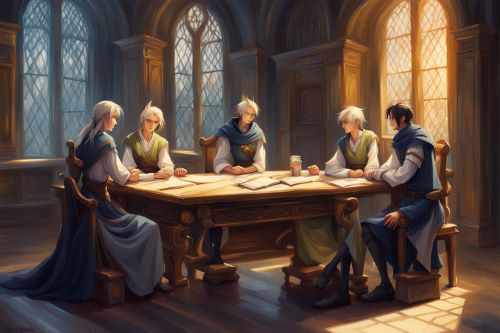
learn teamwork with D&D
The ultimate way to learn teamwork, D&D?

The Ultimate Way to Learn Teamwork: Dungeons & Dragons

While group projects, sports, and clubs all provide valuable teamwork experience, there’s another activity that really stands out: Dungeons & Dragons. This tabletop role-playing game might seem like just a game to outsiders. But, it’s a powerhouse for building teamwork skills. Here’s why:

  1. Collaborative Storytelling: In D&D, players create a shared narrative, with each person contributing to the story’s direction. Success is rarely achieved alone. Players work together solving problems, overcoming obstacles, and achieving their goals. This collaborative aspect mirrors real-world team dynamics, where success often depends on effective communication and mutual support.
  2. Role Differentiation and Cooperation: Every character in D&D has unique abilities and strengths, just like members of a workplace team. Players must understand their own role and how it complements others in the group. This dynamic teaches the importance of role differentiation, cooperation, and leveraging individual strengths for the benefit of the team.
  3. Problem-Solving Under Pressure: D&D scenarios often present complex challenges that require quick thinking and teamwork to resolve. The pressure to make decisions that affect the entire group, combined with the unpredictable nature of the game, mirrors the problem-solving demands of a fast-paced work environment.

RPGs in Graduate Programs

Given the immense benefits of roleplaying games like Dungeons & Dragons, incorporating them into graduate programs can provide unparalleled teamwork experiences. While new to the workforce, graduates are expected to collaborate on complex projects, manage time effectively, and navigate high-pressure situations. These are skills that are directly honed through playing RPGs.

By introducing D&D type sessions into your organizations graduate programs, students gain a unique opportunity to develop and refine their teamwork abilities. Teamwork under pressure is simulated in a dynamic, engaging, and ultimately, low-risk environment. These games encourage creativity, foster deep communication, and build strong, trust-based relationships among participants. Qualities that are invaluable in any professional setting.

Additionally, scenarios can be created that reflect common leadership issues faced by your organization. Albeit wrapped in a different genre.

While traditional activities like group projects, team sports, and clubs provide essential building blocks for teamwork, Dungeons & Dragons offers a uniquely powerful way to cultivate these skills. By embracing the collaborative and immersive nature of RPGs, new workers and students alike can learn the art of teamwork in a way that’s both fun and profoundly impactful.

All you leaders out there, why not talk to your learning and development team about incorporating D&D into your graduate program?

Create an Outstanding Gaming Group Using “The Culture Code”

My usual mode of operation in this blog is to see how we can use games to improve our leadership skills. However, today I wanted to turn that on its head. What can we learn from the world of work that we can apply to make our games better? When we are at the table, the group’s dynamic can make or break the experience. I’ve recently read Daniel Coyle’s book, The Culture Code: The Secrets of Highly Successful Groups and I think as gamers there is a lot to takeaway. This book looks into the principles that make groups work effectively. While the books audience is meant for leaders in business I believe it offers insights that can transform any gaming group into a fun, inclusive, well-oiled machine. Here’s a few ways you can apply the concepts from The Culture Code to create a high-performing and fun gaming group.

Build Safety: Creating a Comfortable Environment

According to Coyle, the first pillar of a successful group is building safety. In a gaming context, this translates to creating an environment where all players feel comfortable and secure. Of course, its important to remember that safety isn’t just physical but emotional as well.

  • Encourage Open Communication: Make sure everyone feels their voice is heard. Each player’s input should be valued. Encourage feedback and be receptive to it.
  • Foster Inclusivity: Ensure your group is welcoming to all players, regardless of skill level or background. A diverse group can bring fresh perspectives and ideas, enriching the gaming experience.
  • Set Clear Expectations: Clarify the group’s goals, rules, and etiquette. When everyone knows what to expect, it reduces anxiety and builds trust.

Having safety tools at the table, like the X-card, is a great way to make people feel safe. An x-card is simply a card with an x on that sits within easy reach of all the players. If at any time a player feels uncomfortable they pick up the card and that scene will stop. The Dungeon Master will then move the game away from that topic.

For more information on safety tools you can have at the table see this awesome post from dramadice.com.

Share Vulnerability: Building Trust Through Honesty

Coyle emphasizes that sharing vulnerability is crucial for building trust within a group. This doesn’t mean exposing deep personal secrets but rather being honest about mistakes and uncertainties.

  • Admit Mistakes: As a game master or leader, show that it’s okay to make mistakes. If you miss a rule or make an error in judgment, acknowledge it openly. This encourages others to do the same, fostering a supportive environment.
  • Ask for Help: Demonstrate that it’s okay to seek assistance. Whether you’re stuck on a puzzle or need advice on character development, asking for help can strengthen group bonds.
  • Embrace Feedback: Encourage constructive criticism and be willing to act on it. This not only improves the game but also shows that you value the group’s input.

When playing with my regular group, I don’t always know the rules. I’m okay with admitting this and the players jump in and assist. This has definitely strengthened the trust amongst us. It also helps prevent any feelings of them and us forming between the games master and the players.

Establish Purpose: Creating a Shared Vision

A high-performing group needs a shared sense of purpose. This involves not just playing the game but understanding and buying into a common goal or vision.

  • Define the Group’s Mission: What does your gaming group aim to achieve? It could be as simple as having fun, or as complex as mastering a particular game. Clearly define this mission and remind the group regularly.
  • Celebrate Milestones: Recognize and celebrate achievements, whether it’s completing a challenging quest or reaching a new level of teamwork. Celebrations reinforce the group’s purpose and motivate members.
  • Create Traditions: Develop rituals or traditions that strengthen group identity. This could be a regular game night, a pre-game ritual, or special events for holidays or milestones.

This is something that we could do more of in my regular group. I would say our shared vision is to have fun gaming together. While this vision is not something we have articulated often we recently found that two players were not enjoying the horror themes of a particular campaign. Circling back to our purpose of having fun gaming together, we have pivoted the game were playing and moved to a campaign where we can all have fun.

Applying the Culture Code to your group can bring more cohesion and ultimately more fun

Applying The Culture Code to Gaming

How might these principles look in a Dungeons & Dragons group aiming to enhance its culture:

  1. Build Safety: The Dungeon Master (DM) creates a welcoming environment by encouraging all players to share their character backstories and contribute to the narrative. Rules and expectations are clearly laid out, ensuring everyone feels secure in their role. they also have an X-card prominently displayed in the center of the table and clearly explain its use.
  2. Share Vulnerability: The DM admits when they’ve forgotten a rule and asks the group for input. Players are encouraged to share their ideas and help each other, fostering a collaborative atmosphere.
  3. Establish Purpose: The group agrees on a campaign goal, such as exploring a vast new world or defeating a formidable enemy. Regular sessions are held to maintain momentum, and achievements are celebrated, keeping everyone motivated and aligned with the shared vision.

By incorporating the principles from The Culture Code, your gaming group can become more cohesive, resilient, and high-performing. The result is not just better gameplay, but a richer, more fulfilling experience for all members. In essence, applying these ideas to your group will take group cohesion and culture far beyond the game itself.

Echoes of Xenos: Did it Work?

Now that the dust has settled on the Echoes of Xenos event that I ran last month, I want to take some time to think about whether it worked or not. Was it a success and what lessons did I learn. Importantly did the format support or encourage emergent play. To understand the event setup and planning visit my previous post on the subject here.

So, what’s the verdict?

Did the Players have Fun?

The primary objective of any event should be the enjoyment of the players. Did they have a good time? Discussions with everyone afterwards indicated that they did. The 1 vs 1 battles and leaderboard added a sense of competition and the secret objectives added a level of uncertainty that kept players on their toes. Additionally we made sure that everyone played different opponents each round giving variety throughout. The group was very tolerant and there wasn’t much in the way of overly competitive behavior.

The only time in the event that fun may have reduced was during the last multiplayer battle, where the set up favored some players over others. The ensuing chaos saw some players have less to do than others which was an unforeseen planning error. I will talk about the last part of the event later.

Having a small break between sessions where players could discuss outcomes was a good way to create space and a bit of banter in the group. This is definitely something to keep in mind when planning for the next one.

A power cut towards the end had us all playing by candlelight which really added to the atmosphere. But of course this was a happy coincidence!

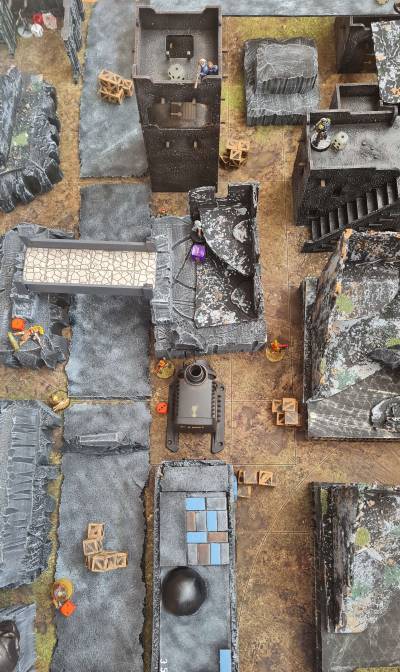
A couple of location boards with clues, objectives and secret objectives ready for play

Was Emergent Play A Factor?

Unfortunately there was minimal emergent play occurring during the event. Interaction between the players was kept at the table and the storyline did not really feature very strongly. One player was attempting to make alliances and forge the narrative, however the others did not really engage in that aspect of the event.

The most emergent play occurred in the final scenario when one player (my son) went on the rampage. The other players figured he had been corrupted by chaos and teamed up to take him out. This was never a part of the original storyline, but worked really well as part of the finale.

Looking back, the faction set up and motivations of each group did not encourage as much of an emerging story as I hoped. There are a few things I would do differently next time, which I will discuss below.

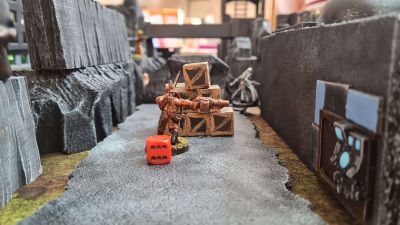
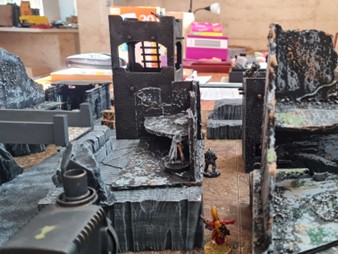
A 1v1 battle in full swing

The Grande Finale – Not as Planned

I had meant to set up the finale to be a multiplayer scramble for survival. All were competing for one macguffin (held by the leading faction) whilst being hunted by Xenos (alien) abominations. This was meant to facilitate a tense rush to escape, not knowing who to trust. Unfortunately, the xenos threat was never as threatening as I’d hoped. Resulting in players hanging back. NOt the energetic frenzy I’d hoped for. In an effort to add some action my sons faction went on the rampage effectively knocking two players out early in the game resulting in a less engaging experience for them both.

With the xenos threat neutralized and most players down to one agent we called the last battle. Not the epic finale I had hope for.

So, what could be changed to make this finale more grande? Firstly, have more of an external threat that impacts the players from the get go. This would have forced factions to work together. It would have created tension as factions helped each other, not quite knowing if they were going to be betrayed. It would also have prevented the chaotic infighting that started right from the get go. This could have taken the form of a swarm of low level aliens encroaching on the players in numbers that could not be defeated alone. In turn this would drive the agents towards the greater threats of the abominations.

Secondly, all the factions deployed in the same area creating the immediate potential for infighting. Deploying factions further apart would have removed this consequence letting players position tactically before the action commenced. Additionally, this would give players a greater sense of agency that I feel the original setup perhaps removed.

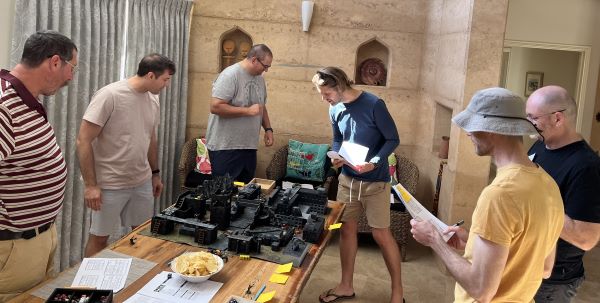
Player briefings and warbands ready to go

Increasing Emergent Play

Now that the game is over I think there are some clear ways that I could improve emergent play next time round.

Firstly, grouping players into factions will encourage interaction and cooperation immediately. By its very nature the increased interaction will allow emergent play to appear. Additionally, grouping players in teams or alliances creates a safer space to be creative. It’s always more fun doing this together, rather than trying to figure it out on your own.

Secondly, the scenario needs clearer factions. This is particularly true when you have players whop are not versed in the lore of your world. In this instance I love the murky world of the 40K Inquisitorial agents. But the lack of clarity makes it difficult for players to engage form a position of strength. Instead, having factions with clear goals and archetypes make them easier to engage with.

In this event all the players were gunning for the same objective making alliances difficult to form. Next time I would give every faction a different objective, but make sure they cross over. That way negotiations and alliances would become more important and emergent play more likely to appear.

Lastly, the players need a clearer reason to interact and ally with each other. A powerful external threat would neatly enhance this. In this event having a powerful alien species threatening everyone equally would force players to work together despite being enemies. Giving players the choice of allying with their enemy or facing annihilation can create some interesting negotiations and outcomes.

Final Thoughts on Echoes of Xenos

Despite not quite working as planned Echoes of Xenos was a fun event. While emergent play didn’t form as much as I’d hoped there were some very clear takeaways for the next event. I cant wait!