
Six Reasons Why a Dungeon Master Makes an Effective Leader

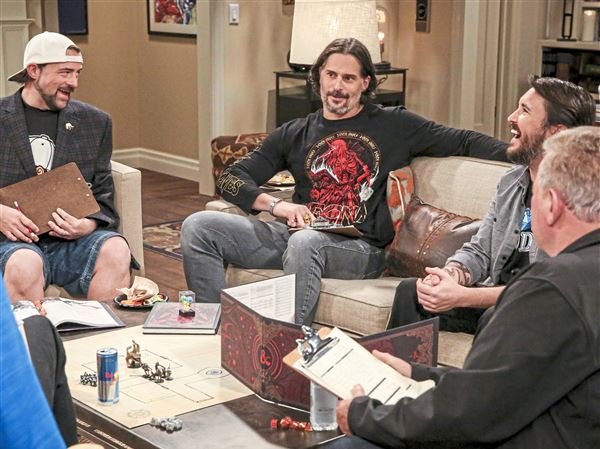
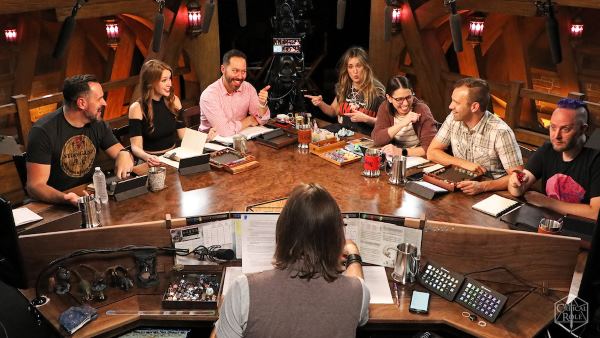
Dungeons and Dragons (D&D) is a game that relies heavily on the Dungeon Master’s (DM) leadership and guidance. They set up the scenarios and lead the party through the adventure taking the roles of everyone they meet. It can be argued that it is the most important role in the game. It is definitely the role that requires significant leadership skill to do well. Whether setting expectations at the table, keeping players focused or keeping the game flowing, all require leadership. I believe that a skilled Dungeon Master makes an effective leader.

In this post, we explore the parallels between the DM’s role in D&D and the qualities and skills required for effective business leadership. We examine how the DM’s ability to lead by example, create a supportive environment, foster creativity, and adapt to changing circumstances translates into successful leadership in the business world.

Setting the Tone: Creating a Supportive Environment

It is important that the DM sets the tone for the D&D game, establishing a supportive and inclusive environment where players feel encouraged to fully participate and take risks. Making sure everyone has their turn in the spotlight and embracing player ideas all help to make your table fun and keep your players coming back.

Similarly, effective business leaders cultivate a supportive work environment, encouraging open communication, collaboration, and creativity. Leading by example and fostering a culture of psychological safety, leaders empower their team members to voice their ideas, contribute their unique perspectives, and take calculated risks. Ultimately, making your team more innovative, agile and productive.

Guiding and Nurturing: Providing Clear Direction and Support

Some people believe that D&D is a competitive game with the DM pitting wits against the players. Nothing could be further from the truth. The DM’s role is to guide the players through the adventure, providing clear objectives and assisting them in overcoming challenges. The DM is a champion of the players, not an adversary.

Providing clear direction, setting goals, and supporting team members in achieving their objectives is crucial in leadership. Effective leaders mentor their teams, provide regular feedback, and offer the necessary resources and support to help individuals grow and excel in their roles. A good leaders should be a champion of their team. Adversarial bosses rarely thrive.

Flexibility and Adaptability: Managing Changing Circumstances

The old adage “No plan survives first contact with the enemy” has never been more true than in a game of D&D. No matter how well you plan your adventure player decisions find a way of getting off track. Ultimately this makes the game more organic and fun. A skilled DM adapts to unexpected player choices, improvising and adjusting the game accordingly.

Likewise, successful business leaders must be adaptable and agile, able to navigate changing circumstances, industry disruptions, and shifting market dynamics. They embrace change, encourage innovation, and guide their teams through transitions, ensuring they remain resilient and responsive in the face of uncertainty.

Encouraging Creativity and Problem-Solving

The DM stimulates creativity by crafting interesting narratives and presenting players with challenging puzzles and dilemmas. These are often written with no clear solution. Instead, the players solve the puzzle or situation with their own ingenuity. The satisfaction of getting through an adventure by your own wits and team work is a very satisfying experience. Being spoon fed solutions by the DM is not.

In business, the best leaders foster a culture of creativity and problem-solving, encouraging their teams to think outside the box, explore new approaches, and innovate. Like the DM, they remember that they don’t have the answer to everything. By valuing diverse perspectives and empowering team members to take risks, leaders inspire creative thinking, driving continuous improvement.

Does your leader roll dice?

Fairness and Ethical Decision-Making

As mentioned above the DM is not adversarial. Instead, they must ensure fairness, making unbiased decisions when resolving conflicts or adjudicating rules. Players must be treated fairly and equally, no favouritism. Doing so keeps the game on an even keel.

Of course, ethical decision-making is fundamental to successful business leadership. Leaders must uphold integrity, treat team members equitably, and make sound decisions that align with the organization’s values and principles. By modelling ethical behaviour, leaders cultivate trust, foster a positive work environment, and encourage ethical conduct within the team.

Managing Group Dynamics and Conflict

Occasionally, the DM acts as a mediator, managing interpersonal dynamics and resolving conflicts that may arise within the party. If negative behaviours arise at the table the DM has a responsibility to call them out and prevent things from escalating. This can be done at the table or through individual post game conversations. But it needs a level of proactivity, courage and comfort with being uncomfortable.

In parallel to this, effective business leaders are skilled in managing group dynamics, fostering collaboration, and resolving conflicts constructively. They promote effective communication, encourage respectful interactions, and mediate conflicts to maintain a harmonious and productive work environment.

A Great Dungeon Master Makes an Effective Leader!

The role of the Dungeon Master in D&D offers valuable lessons for effective business leadership. By leading by example, creating a supportive environment, fostering creativity, adapting to change, and making ethical decisions, leaders can inspire and empower their teams to achieve extraordinary results. Drawing upon the qualities and skills exhibited by successful DMs, business leaders can create a culture of trust, collaboration, and innovation, propelling their teams and organizations towards sustainable success in a dynamic and evolving business landscape.

I think you’ll agree that a successful DM mirrors the skillset of a successful leader and that a great Dungeon Master makes an effective leader. Perhaps when you are interviewing your next leader you should ask them whether they play Dungeons and Dragons.

Fantasy Meets Reality: When Gameplay Transcends the Game

For those of us who play roleplaying games regularly we often find ourselves reminiscing with our groups about moments of high drama or excitement that we’ve experiences in our games. It often feels like we’ve lived the encounters, our experience moves beyond the game. The highs, the lows and the dramatic were all experienced. For our memory they feel real.

I can still picture the time my warrior character fled before a goblin horde, bravely trying to lead them into an ambush. The sense of dread as the mob of savage goblins nipped at his heels. Burning buildings on either side of the street. The roll of a die determining his fate. Tangible fear and tension.

It was exciting and my friends and I remember that encounter with genuine fondness.

Another experience which has always stuck with me was pivotal in me pursuing a career in leadership. I was on a “Managing People” course and had been split into teams. My role was leader for this scenario. We were up against actors portraying an aggressive client. The stress and pressure was on. It felt uncomfortable. I got the team together, we collaborated on a solution, I set priorities and we were off!

I experienced the pressure of a stressful leadership experience and found that I loved it. Really loved it. I’ve never looked back.

Experiencing Real

Interestingly, in her book “Me, Myself, and Why: Searching for the Science of Self,” author Jennifer Ouellette explores various aspects of human identity. For me the highlight of the book revolves around the experience of playing roleplaying games. Detailing how these experiences are treated as real by the human memory.

According to Ouellette, roleplaying games are a form of “experiential fiction” in which players immerse themselves as characters within a fictional world. During gameplay, players often make decisions and interact with other characters in ways that feel real and meaningful. She notes that this sense of immersion can be so strong that it affects the way players remember their experiences.

Additionally, a study conducted by psychologist William Sims Bainbridge looked at players of the online roleplaying game “World of Warcraft”. He found their memories of the game were just as vivid and detailed as memories of real-life events.

This phenomenon is thought to occur because the brain processes all experiences in a similar way, regardless of whether they are real or fictional. The brain stores memories based on the emotional and sensory input that they provide. Of course, roleplaying games often provide this rich and immersive sensory experience.

Overall, Ouellette suggests that the experience of playing roleplaying games can be just as real and meaningful to players as real-life experiences. While memories created during gameplay can be just as vivid and long-lasting.

Going Beyond the Game

This is really interesting to me. The idea that we can use roleplaying games to give people experiences that their memory will remember as close real life is compelling. For me, this means that we can use roleplaying games like D&D as a tool to give people experiences that can accumulate as real lived experience.

Imagine the future leaders in your company. They get trained in the theory and principals of good leadership. However, placing them in a position of authority can be daunting due to their lack of experience. What if you could run them through a series of roleplaying game scenarios where the cohort experiences difficult leadership decisions together. Measured and considerate feedback cements the lessons.

This type of training is exemplified by the military. Intense field exercises where the role of leader is switched between students gives them lived experience of leading under pressure. I don’t see why we cant create a similar experience using RPGs, albeit in the comfort of the indoors.

Have you ever used RPGs in the training environment?

The Essence of Leadership: Roles and Responsibilities

It takes finesse, trust and creativity to get a team of disparate individuals to come together to achieve a common goal. Leadership is a multifaceted concept that encompasses a wide range of qualities, skills, and responsibilities. Literally thousands of books have been written on the subject of leadership, what it means and how to master its intricacies.  In this post, we explore the essence of leadership, examining its definition, and key attributes. We delve into the importance of vision, influence, integrity, empathy, and the ability to inspire and empower others.

Before you are a leader, success is all about growing yourself. When you become a leader, success is all about growing others.

Jack Welch

Defining Leadership: Beyond Titles and Authority

Leadership extends beyond titles and positions of authority. At its core, leadership is about guiding and influencing individuals or groups towards a common goal. It involves inspiring others to achieve their full potential and fostering an environment of collaboration and growth. Importantly, leadership is not confined to a single individual but can emerge from any member of a team who exhibits the necessary qualities and takes initiative to lead by example.

Vision: Setting Direction and Inspiring Others

A defining aspect of leadership is having a clear vision and being able to communicate it effectively. Leaders must establish a compelling vision that inspires and motivates others, providing a sense of purpose and direction. Through their vision, leaders guide individuals and teams, aligning their efforts towards achieving shared goals.

Influence and Impact: Inspiring Others to Take Action

Exerting influence to bring about positive change is a key component of leadership. Effective leaders possess the ability to influence and inspire others, encouraging them to take action and strive for excellence. They lead by example, demonstrating integrity, competence, and a strong work ethic, which motivates others to follow suit.

Integrity and Ethics: Guiding with Moral Principles

Leadership entails upholding high ethical standards and acting with integrity. Leaders earn trust and respect by consistently demonstrating honesty, transparency, and ethical behaviour. They make decisions that consider the best interests of their team, stakeholders, and the greater good. Ethical leadership creates a culture of trust and fosters long-term success.

Empathy is a crucial leadership skill

Empathy and Emotional Intelligence: Understanding and Connecting with Others

Leadership involves understanding and connecting with people on an emotional level. Empathy and emotional intelligence enable leaders to recognize and appreciate the perspectives, needs, and emotions of others. By demonstrating empathy, leaders can build stronger relationships, foster collaboration, and create an inclusive and supportive environment.

Inspiration and Empowerment: Cultivating Potential in Others

Leadership is about inspiring and empowering others to reach their full potential. Effective leaders provide guidance, support, and resources to help individuals grow and develop their skills. They create an environment that encourages autonomy, innovation, and continuous learning, enabling their team members to flourish and contribute meaningfully.

Good leaders share the spotlight and are quick to give credit to others.

Final Thoughts on the Essence of Leadership

Leadership is a dynamic and multifaceted concept that goes beyond titles and authority. It encompasses vision, influence, integrity, empathy, and the ability to inspire and empower others. Effective leaders set a clear direction, inspire individuals and teams, uphold ethical standards, connect with people on an emotional level, and cultivate the potential of those they lead. By understanding and embodying the essence of leadership, individuals can unlock their own leadership potential and make a positive impact in the world.

Now we understand what leadership is, how do we get better at it? The short, unsexy answer, is practice.  The best way to learn leadership is to do leadership. While this can be frightening there is no getting away from this fact.

Reading books, attending courses and seminars are great for giving you the theory. You can only put it into practice when taking real leadership action. Whether leading a business, team, project or initiative, all help grow your leadership muscles. But these examples are not safe spaces, failure to lead well can cause stress, financial loss and damage team dynamics.

What if there was another way. A method that could let you gain valuable leadership skills by actually doing them?

I believe that roleplaying games like Dungeons and Dragons might hold the key to this very question.

The Worlds’ Greatest Game: What is Dungeons and Dragons?

Imagine a world where you can create your own adventures, where you can embark on epic quests, and where your imagination comes to life. Welcome to the world of Dungeons & Dragons, often abbreviated to D&D. This tabletop role-playing game (RPG) has captivated millions of players around the world for decades and has experienced a remarkable resurgence in recent years.

But what exactly is Dungeons & Dragons? How does it work? And why has it seen such a huge growth in popularity? In this post, we will explore the origins, mechanics, and the incredible rise of Dungeons & Dragons.

Origins of Dungeons & Dragons

Dungeons & Dragons was first published in 1974 by Gary Gygax and Dave Arneson, two avid gamers and fantasy enthusiasts. Drawing inspiration from tabletop war games and fantasy literature, Gygax and Arneson created a revolutionary game that allowed players to assume the roles of characters in a fictional world and embark on adventures guided by a game master (GM) who controls the story and the non-player characters (NPCs).

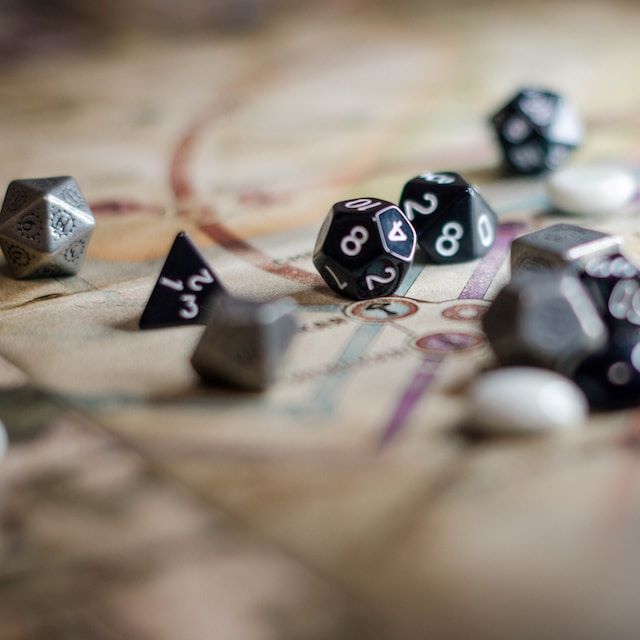
The game quickly gained a devoted following, and over the years, it has evolved and expanded with multiple editions and supplements, each building upon the rich lore and rules of the game. The game’s core mechanics are based on rolling polyhedral dice to determine the outcome of actions and encounters, with players using their characters’ abilities, skills, and creativity to navigate through a story-driven campaign.

How Dungeons & Dragons Works

At its core, Dungeons & Dragons is a collaborative storytelling experience. Players create characters by choosing from various races, classes, and backgrounds, before venturing into a fantasy world where the story unfolds. The game master serves as the narrator, describing the world and controlling the NPCs, while the players take on the roles of their characters, making decisions and taking actions that shape the outcome of the story.

Dungeons & Dragons uses a system of rules to resolve actions and conflicts. The most common way to determine success or failure is by rolling a 20-sided die, also known as a d20, and adding relevant modifiers based on the character’s abilities, skills, and equipment. This determines whether an action, such as attacking an enemy, casting a spell, or picking a lock, is successful or not.

Characters in Dungeons & Dragons have attributes such as strength, dexterity, constitution, intelligence, wisdom, and charisma, which affect their abilities and skills. They also have classes, such as warrior, wizard, rogue, or cleric, which determine their abilities, spells, and playstyle. Progressing through the game, characters gain experience points (XP) and level up, becoming more powerful and unlocking new abilities.

The Growth of Dungeons & Dragons

Dungeons & Dragons has experienced a remarkable resurgence in recent years, with a rapidly growing player base and increased mainstream visibility. The game has become a cultural phenomenon, with players of all backgrounds and ages coming together to create shared adventures and stories.

One of the key drivers of Dungeons & Dragons’ growth has been the advent of online platforms and streaming services that enable players to connect and play remotely. Virtual tabletops, like Roll20 and Fantasy Grounds, provide tools for players to gather online, while streaming platforms, such as Twitch and YouTube, have popularized live-play shows where players and game masters share their gaming sessions with audiences around the world. These platforms have allowed Dungeons & Dragons to reach new audiences and foster a vibrant online community of players and content creators.

Additionally, the game has seen increased representation and inclusivity, with more diverse characters, settings, and themes being incorporated into the game. Dungeons & Dragons has become a platform for storytelling and self-expression, allowing players to create characters that reflect the way the wish to be seen, exploring self identity in a safe space.

How Does This Relate to the Workplace?

As you can see D&D and other games like it provide a toolkit to explore social interactions. Players can experiment with leadership styles, team communication and cohesion. If framed properly it can provide a safe space to experience stressful situations as a team. Shared adversity that can bring team members together.

Of course roleplaying has been used in the training context for years. But I believe that these tools can take teams beyond training. Embedding values, fostering communication and developing skill.

As this blog progresses I’ll be looking at all of these in more detail and finding areas where purposeful D&D can boost your team.

Mystery Solved: What is Dungeons and Dragons at Work all about?

Welcome to my blog. What is this all about? D&D at work? I’ve been playing roleplaying games since the 80’s and love the freeform storytelling that results. There is real joy to be found sitting round a table with your friends rolling dice and creating adventure. Over time I’ve found that the skills I practice, running and playing these games port well into the real world.

I have a love of leadership and all things business. Working across small to multinational businesses, I see the same issues with leadership training across the board. It cant give you the experiences you need to improve. Resulting in me thinking about how to meld the roleplaying experience of D&D into a growth experience for individuals and teams. I believe D&D at work can be used to practice leadership skills, give teams cohesion and experience high pressure in a safe environment.

Using D&D at Work

Our memory treats roleplaying experiences as being real. Giving us the perfect learning tool, where failure is acceptable. Recently, a number of practices have appeared using D&D as a tool to help with mental health issues. Therefore, it seems logical to use the same toolkit to develop leadership skills. Of course, teamwork is also a key part of the D&D experience. Why not use the game to foster this for new and existing teams? Having an experience of shared adversity, albeit in a game, could really foster team cohesion.

With roleplaying games entering a golden age, now is the perfect time to start exploring these concepts. Of course I am not the first person to be thinking along these lines as this recent article from ABC news attests. But I have been thinking about this for a long time and want to start documenting my ideas.

I hope you join me on this journey of exploration. Looking at the potential of using the magic of D&D at work to develop and foster teams and future leaders.

D&D at work