Choose Your Class: How D&D Shapes Your Leadership Identity

leadership identity

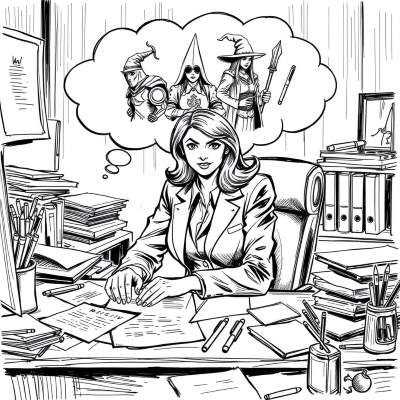
When you sit down to create a Dungeons & Dragons character, you’re not just picking stats and equipment. You’re making choices about identity. About values. About how this character will behave under pressure and what kind of presence they’ll have in a group. In short?, you’re designing a leadership identity.

Whether your character is a fearless fighter, a cunning rogue, or a quiet cleric, you’re crafting someone who will make decisions, face consequences, collaborate with others, and influence outcomes. Sound familiar?

It should—because it mirrors exactly what leaders do in the real world.

Let’s explore how character creation in D&D is not just a game mechanic but a powerful lens through which you can reflect on your own leadership style, strengths, and the values you want to embody.

The Leadership Behind the Character Sheet

At its core, character creation asks:

  • What kind of person am I going to be in this world?
  • How do I solve problems?
  • What matters most to me—justice, glory, loyalty, freedom?
  • How do I relate to others in a team setting?

These aren’t just questions for adventurers. They’re questions for leaders.

Will your paladin stand firm in the face of danger, even if it means sacrificing themselves? Does your bard lead with words, persuasion, and empathy? Perhaps your druid will observe quietly before acting, keeping a bigger picture in mind?

These traits translate seamlessly to the workplace. We’ve all seen leaders who act boldly like a barbarian, strategize like a wizard, or support others like a healer. And just like in D&D, no single style is “best.” What matters is how well you understand your own approach—and how it fits into your team.

A Safe Space to Experiment with Leadership Identity

One of the most powerful aspects of D&D is that it gives you a safe, imaginative space to try out new ways of being. Want to explore what it’s like to lead from the front rather than behind the scenes? Try playing a warlord-style fighter. Curious about what happens if you prioritize compassion over efficiency? Build a cleric who refuses to leave anyone behind.

This experimentation can be surprisingly revealing. It allows you to:

  • Explore values that you’re drawn to—but haven’t fully expressed.
  • Observe how others respond to those values.
  • Notice which behaviours feel natural and which feel forced.
  • Reflect on how your “character” influences group dynamics.

And because it’s a game, the stakes are low—but the insights are real.

How Others Perceive Your Values

It’s one thing to intend to be a fair, inspiring, or decisive leader. It’s another to be seen that way by others. Through gameplay, you can observe how your fellow players react to your character’s choices:

  • Do they trust your judgement?
  • Do they turn to you in a crisis?
  • Do they challenge your decisions—or follow your lead?

This feedback loop—however subtle—mirrors real leadership. And it can help you see gaps between your internal values and your external impact. Just like in professional life, D&D lets you discover that sometimes your actions don’t communicate what you think they do. Remember, that’s not a failure but rather a chance to grow.

A Tool for Leadership Reflection

For this to work properly, you’ll need to take some time to reflect on your character and how they are interacting with the game and the other players. Here’s some thoughts on how you can intentionally use character creation to help reflect on your leadership development:

1. Choose a Leadership Trait to Explore: Pick something you’d like to develop—decisiveness, empathy, integrity, adaptability—and build a character who embodies that trait.

2. Journal After Sessions: Reflect on how your character handled situations. Did you live up to the values you set? How did it feel? What worked? What didn’t?

3. Ask for Player Feedback: After a few sessions, ask your fellow players how they see your character. What kind of leader do they think they are? You might be surprised at the answers.

4. Try Different Styles Over Time: Don’t just play one kind of hero. Use future campaigns to explore other leadership models—direct, supportive, democratic, visionary.

5. Translate Back to Real Life: After a breakthrough in-game, ask: How might this apply to a challenge I’m facing at work?

Final Thoughts on Exploring Your Leadership Identity

Dungeons & Dragons isn’t only about casting spells and swinging swords. It teaches us about who we are when faced with decisions, when part of a group, and when given the chance to lead. In character creation, we see reflections of our real-life selves—our hopes, our strengths, our blind spots. And by exploring leadership in a game world, we gain insights, that help us grow in the real one.

So next time you sit down to build a character, ask yourself:
What kind of leader do I want to be?
Visionary Leadership: Shine the Light with Dungeons & Dragons

As leaders, visionaries stand out as guiding lights, inspiring others with their bold ideas and transformative outlook. While the concept of visionary leadership may seem elusive, the immersive world of Dungeons & Dragons (D&D) offers a unique platform for honing visionary skills and unleashing leadership potential. By embracing the role of Dungeon Master (DM) or player, individuals can cultivate the traits essential to visionary leadership.

What is Visionary Leadership

Visionary leadership is like being the captain of a ship, charting a course towards an inspiring and ambitious destination. It’s about having a clear and compelling vision of the future, coupled with the ability to articulate that vision in a way that motivates others. A visionary leader not only sees what’s possible but also inspires and empowers their team to join them on the journey. They possess the foresight to anticipate trends and challenges. As well as the courage to take bold risks in pursuit of their vision. Ultimately, visionary leadership is about driving positive change, shaping the future, and leaving a lasting impact on the world.

Some real world examples include:

  • Elon Musk
  • Nelson Mandela
  • Jane Goodall
  • Gary Gygax
  • Richard Branson
  • Greta Thunberg

Crafting a Compelling Narrative

At the heart of visionary leadership lies the ability to articulate a compelling vision. A vivid depiction of a desired future that ignites passion and motivation. In D&D, the DM serves as the architect of the narrative, weaving together plotlines, characters, and settings to create an immersive experience for players. By crafting engaging narratives, aspiring visionary leaders learn the art of storytelling. Letting them paint a vivid picture of their vision and captivate the hearts and minds of their team.

Embracing Creativity and Innovation

Visionary leaders are synonymous with creativity and innovation, daring to challenge the status quo and explore new possibilities. When playing D&D, players are encouraged to think outside the box, improvising solutions to unforeseen challenges and imagining fantastical worlds . By embracing this spirit of creativity and innovation in gameplay, individuals cultivate the visionary mindset. A necessary component to envisioning bold futures and pioneering change in the real world.

Fostering Collaboration and Empowerment

Leadership is not a solitary endeavor but thrives on collaboration and empowerment. In D&D, players form adventuring parties, each member bringing unique skills and perspectives to the table. Successful parties excel through effective communication, collaboration, and delegation of tasks, empowering each member to contribute to the collective success. By leading and participating in collaborative gameplay, individuals learn to harness the collective intelligence of their team, fostering a culture of innovation and empowerment in their leadership approach.

Navigating Uncertainty with Resilience

Visionary leadership requires the resilience to navigate uncertainty and adversity with unwavering determination. In D&D, adventurers confront significant challenges—from treacherous dungeons to formidable foes. All require resilience, adaptability, and quick thinking to overcome obstacles and achieve their goals. By immersing themselves in the unpredictable world of D&D, individuals develop the resilience necessary to weather setbacks, pivot in the face of adversity, and stay the course toward their vision.

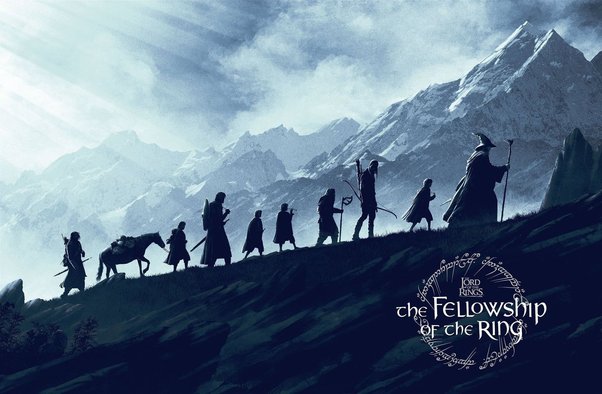
Gandalf (a good example of a visionary leader) leading from the front!

Inspiring Hope and Belief

Leaders with a strong vision have the power to inspire belief in a brighter future. Allowing them to rallying others around their vision with unwavering conviction and optimism. In D&D, the DM serves as a beacon of hope for players, guiding them through the darkest of dungeons and instilling confidence in their abilities to overcome challenges. A good DM, like a good leader, is the teams greatest champion, encouraging them to even greater success. By embodying the role of the DM or playing characters that inspire hope and belief in their party members, individuals cultivate the ability to motivate others toward a shared vision of success.

Embodying Ethical Leadership

Great leaders are anchored in integrity, ethics, and a sense of purpose beyond personal gain. In D&D, players are faced with moral dilemmas and ethical choices that test their character and principles. By navigating these challenges with integrity and ethical clarity, individuals cultivate the moral compass necessary to lead with authenticity and inspire trust in their leadership.

Final Thoughts on Visionary Leadership

When playing D&D, the journey of becoming a visionary leader unfolds through immersive storytelling, creative problem-solving, collaborative gameplay, resilience in the face of adversity, and a commitment to ethical leadership. By embracing the transformative power of the game as a training ground for leadership (visionary or otherwise), individuals can unlock their full potential and embark on a quest to shape a better future—for themselves, their teams, and the world at large.

Side Note – You’ll have noticed that I’ve used Gandalf in the imagery for this article. I belief he is a great example of a visionary leader that appeals to Geeks and non-geeks alike. For an interesting take on Gandalf as a leader check out this LinkedIn article.

How to Achieve Level 5 Leadership Through D&D

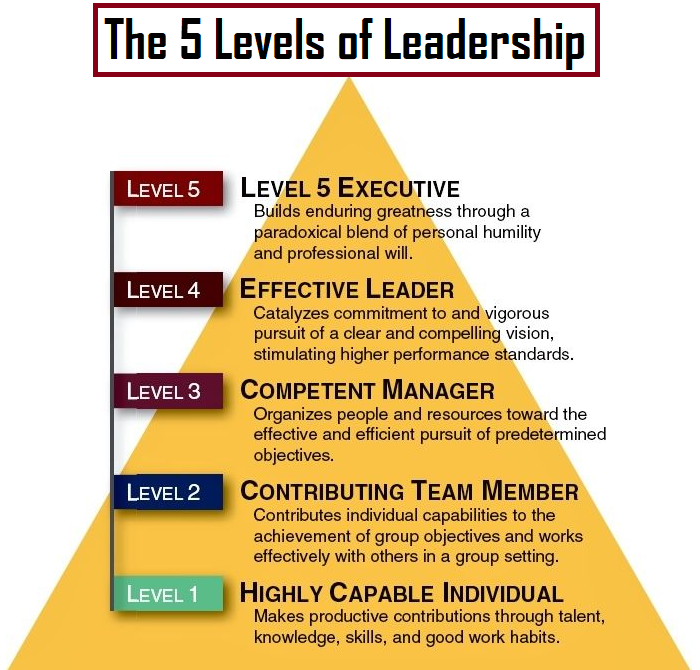
The role of a Dungeon Master (DM) in Dungeons and Dragons (D&D) presents an opportunity to explore and exhibit various leadership qualities. In this post, we examine how DMs embody the principles of the 5 Levels of Leadership, as outlined by leadership expert John C. Maxwell. We delve into the levels of leadership—position, permission, production, people development, and pinnacle. Exploring how DMs exemplify these levels in their game facilitation. Where are you on the journey of achieving level 5 leadership?

Level 5 Leadership

Level 1: Position Leadership – Leading by Title

At the initial level, DMs display positional leadership, as they are given the authority and responsibility to guide the game. Of course, with the position of DM, they have the power to set the stage, establish rules, and direct the narrative. Through effective use of their position, DMs can gain the respect and compliance of the players, setting the foundation for leadership development.

Level 2: Permission Leadership – Earning Trust and Respect

Permission leadership is built on establishing meaningful connections and fostering trust. DMs earn the trust and respect of the players by creating a safe and inclusive game environment. Therefore, they encourage open communication, actively listen to player input, and demonstrate empathy. By cultivating a sense of permission, DMs gain the willingness of players to follow their guidance and make the gaming experience enjoyable for everyone.

Level 3: Production Leadership – Achieving Results

Production leadership is characterized by achieving tangible results and delivering a high-quality gaming experience. DMs demonstrate their leadership by crafting engaging and challenging adventures, designing memorable encounters, and facilitating character growth. Consequently, through their ability to create impactful and rewarding experiences, DMs motivate players to actively participate, invest in the game, and achieve shared goals.

Level 4: People Development Leadership – Investing in Growth

People development leadership focuses on empowering and developing others. DMs exhibit this level of leadership by nurturing the growth and potential of the players. They provide constructive feedback, offer opportunities for character progression, and encourage players to explore their creativity. DMs also foster a mentorship culture, guiding and supporting players in their personal and gaming journey.

Investing in the growth of your team members is the hallmark of a Level 4 Leader

Level 5: Pinnacle Leadership – Creating a Legacy

Pinnacle leadership involves creating a lasting impact and leaving a legacy. Consequently, DMs who reach this level inspire and influence beyond the game. Ultimately, they inspire players to become DMs themselves, passing on their knowledge, passion, and love for the game. Pinnacle leaders create a culture of leadership within the D&D community. This is achieved by empowering others to embrace their leadership potential and continue the tradition of immersive storytelling and adventure.

Final Thoughts on Level 5 Leadership

Of course, I believe Dungeon Masters exemplify leadership qualities aligned with the 5 Levels of Leadership. Through their positional authority, DMs lay the groundwork for their leadership journey. By earning trust and respect, they cultivate permission leadership, enabling them to guide the game effectively. DMs showcase production leadership by delivering compelling experiences, while their investment in player growth reflects people development leadership.

Ultimately, the pinnacle of DM leadership lies in the legacy they create, inspiring others to become leaders in their own right. By recognizing and embracing these leadership qualities, DMs can not only excel in the game but also transfer their leadership skills to various real-life contexts.

Leadership Styles Unveiled: Translating D&D Dynamics into the Business World

Leadership plays a pivotal role in both the immersive world of Dungeons and Dragons (D&D) and the dynamic landscape of the business world. Today, we explore some of the leadership styles observed during D&D gameplay. Before examining how these styles can be translated and applied to leadership in a business context. Understanding the strengths, limitations, and effects of different leadership styles is the first step. Individuals can then use the game to experiment with and practice their leadership skills, adapting their approach to various real word and fantastical scenarios.

I believe having a safe space to experience leadership situations lets the student understand the impact of their actions with much more clarity than a theoretical lecture. Believe it or not the act of leading a team in defeating a dragon develops similar leadership muscle needed for dealing with a competitor in business. Letting aspiring leaders make mistakes in a simulation will ultimately make them stronger leaders with their teams in the workplace.

The Commanding Leader: Strength in Authority

In D&D, some leaders naturally assume a commanding role, taking charge and guiding the party decisively. They provide clear directions, make authoritative decisions, and inspire confidence in their abilities. This leadership style can be effective in situations where quick decisions and strong direction are needed. However D&D, at it’s heart is a collaborative game. Falling in to this type of style too regularly can make the other members of the party feel left out and disgruntled.

Translating this style to the business world, commanding leaders can thrive in crisis management or situations requiring a strong, authoritative presence. However, they must take care when the pressure is off. As this style can often translate into micromanagement and dictatorial behaviors. Ultimately this can lose the trust and loyalty of the team.

There is a reason that leaders who do well in wartime, where fast crisis management is required, often perform badly in times of peace. The Duke of Wellington and Winston Churchill are two excellent examples of this.

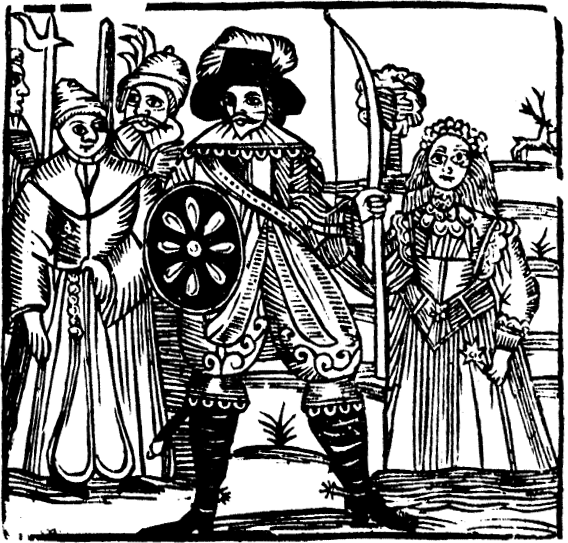
Robin Hood, an example of a visionary leader in D&D

The Visionary Leader: Inspiring with Purpose

Certain D&D leaders embody a visionary style, inspiring their party members with a grand vision and a sense of purpose. They articulate a compelling narrative, foster enthusiasm, and motivate others to pursue shared goals. For example, a party member might have an purpose to do good in the world, overthrowing all oppressors. Think Robin Hood, stealing from the rich and giving to the poor. The rest of the group might really get on board with this vision. The party then have a strong purpose that they can all align to, giving strength to their actions and decision making.

In the business world, visionary leaders inspire their teams with a clear vision of the future, instill a sense of purpose, and drive innovation and growth. Steve Jobs and Elon Musk of Apple and Tesla fame respectively, are both prime examples of visionary leaders. They are setting out to change the world. People align with their purpose and their Why. As such team members are motivated beyond material worth and come to work with a sense of purpose envied by other companies and leaders.

The Servant Leader: Empowering and Supporting

The servant leader in D&D focuses on empowering and supporting their party members. They prioritize the needs of others, actively listen, and provide guidance and assistance when required. This often falls to the most experienced player of the group. Instead of leading brashly from the front they will focus on making sure that everyone is having a good time, engaging with the story and making the most of their time at the table.

This leadership style emphasizes collaboration, trust, and empathy. In the business world, servant leaders create a supportive environment, nurture talent, and prioritize the growth and development of their team members, fostering high levels of engagement and productivity. Nelson Mandela is a good example of a servant leader.

One of the main disadvantages of servant leadership is the time required to do it well. Servant leaders need to invest a lot of time and energy in listening to and serving the needs of their followers, as well as in developing and mentoring them. This can mean that they cannot do their other tasks as well as they like. Or, in the D&D sense not get as much from the game as the other players at the table.

The Democratic Leader: Facilitating Collective Input

Democratic leaders in D&D emphasize inclusivity and collective decision-making. They actively seek input from team members, encourage open dialogue, and value diverse perspectives. By doing so the spotlight at the table is shared and the players all feel part of the team and story. This style is great for keeping everyone engaged with the game and is a real bonus at every table.

This leadership style fosters a sense of ownership and engagement within the team. As such, in the business world, democratic leaders encourage participation, involve team members in decision-making processes, and tap into the collective intelligence of the group to drive innovative solutions. However, this does not mean delegation of the hard decisions. Ultimately, having engaged with and listened to the team, the leader still has to make the call. Taking responsibility for the tough calls is all part of the role.

Dwight Eisenhower, the 34th President of the USA is cited as having a strong democratic leadership style.

Avoid disruption by being an adaptive leader

The Adaptive Leader: Flexibility in Approach

The adaptive leader in D&D demonstrates versatility by adapting their leadership style to fit the needs of the party and the situation at hand. They can switch between different styles, effectively utilizing each one as needed. This is an essential style for every DM out there. The game shifts in style and tone on a regular basis. Whether investigating a murder or battling a horde of goblins the expectations on the players is different. A good DM has to adapt accordingly, keeping the game moving and keeping everyone engaged.

This dynamic leadership style is essential in the ever-changing business world, where leaders must be flexible and adaptive to navigate diverse challenges and contexts. This last decade has seen an inordinate amount of disruption in almost every industry. AI, electric vehicles, internet of things, autonomous vehicles are just the tip of the iceberg. Being able lead your organization through these disruptions is an important element of leadership. Don’t be like Kodak and miss the boat.

The Steward Leader: Fostering Long-Term Success

This is the leadership style I most identify with. As a DM it is your role to make sure everyone enjoys the game and you are effectively the steward of the experience. You want to make the experience engaging and enjoyable so that the game and group have the potential to last for a long time.

Similarly, as a leader I believe you have a role to look after the team over the long term. You are the Steward of the business, division or team. It is up to you to set them up for long term success. It is not about flash in the pan success. Rather setting things in motion now so that the business is still strong and thriving ten years from now.

Final Thoughts on Leadership Styles

Leadership in D&D showcases a range of styles, each with its own strengths and applications. By observing and understanding the leadership dynamics within the game, individuals can develop valuable insights into real world leadership styles. Of course, leaders aren’t one or the other style. Rather they are a blend, with different styles taking the forefront as the situation needs.

Whether it’s commanding authority, inspiring with vision, empowering as a servant, facilitating as a democrat, adapting to different situations, or stewarding for the long term, leaders can draw inspiration from their D&D experiences to enhance their leadership skills and effectively navigate the complexities of the business landscape.

Maybe your next leadership training should be centered around D&D!