Team Building Through Shared Storytelling — Why D&D Might Be the Ultimate Trust Exercise

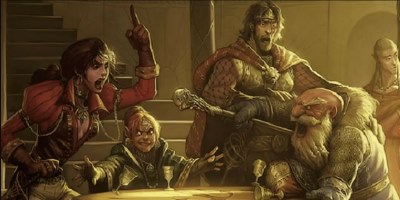
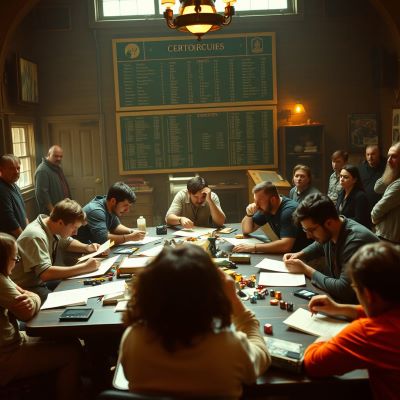
When people think about team building, they often picture ropes courses, awkward icebreakers, or nerve-wracking trust falls. But what if the most powerful tool for creating real team cohesion wasn’t physical activity or corporate exercises—but storytelling? Enter Dungeons & Dragons, a tabletop roleplaying game that thrives on shared storytelling. It’s a game where players build imaginary worlds together, solve problems as a group, and embody characters who grow, struggle, and triumph as a team. And while it might look like fantasy fun (and of course it is), D&D also offers a surprisingly deep model for how to build strong, psychologically safe, high-performing teams.

Let’s look at how D&D’s narrative structure creates team bonds—and how you can use these lessons in your workplace, classroom, or community group.

Shared Storytelling = Shared Ownership

In D&D, the story doesn’t belong to one person. Sure, the Dungeon Master (DM) might guide the world, but the plot evolves through the choices of everyone at the table. Players decide how to approach challenges, who to trust, and what kind of characters (or leaders) they want to become.

That shared narrative builds shared ownership. When a mission succeeds, the whole group feels it. When things go wrong (and they almost always do), the group adapts together. This sense of co-authorship is powerful: it creates a team culture where every voice matters.

In the workplace, this mirrors the difference between top-down directives and collaborative strategy. When the story is presented from the top, buy in can meet significant resistance. However, when team members help shape the story—of a product, a project, or a goal—they’re more invested, more creative, and much more committed.

Psychological Safety: Failure Is Part of the Game

One of the greatest strengths of D&D is how it normalizes failure. Characters miss attacks, fall into traps, or make poor decisions—and the story doesn’t end. It gets significantly more interesting. The consequences of failure become narrative fuel, not a source of shame.

This culture of playful risk-taking builds what Google’s research famously identified as the #1 trait of high-performing teams: psychological safety. In a psychologically safe team, people feel comfortable speaking up, taking risks, and being vulnerable without fear of ridicule or retribution. By playing D&D together, teams rehearse this kind of safety in a low-stakes setting. They learn that mistakes aren’t fatal—they’re part of the fun. And that mindset carries over into real work.

Building Empathy Through Character

In D&D, players take on personas that often differ wildly from their real-world identities. A quiet analyst might play a boisterous half-orc bard. An outspoken manager might become a timid elven healer. As they explore these characters, players inhabit new perspectives—and watch their teammates do the same.

This roleplaying builds empathy. It invites players to step into someone else’s shoes (or boots, or hooves), wrestle with emotional dilemmas, and support each other’s fictional struggles. And in doing so, it strengthens their emotional intelligence in real life.

Empathy isn’t a soft skill—it’s a critical leadership trait. D&D gives teams a safe way to build it naturally, through play.

Tips for Encouraging Shared Storytelling

You don’t need to be a master Dungeon Master to encourage better storytelling in your game. If you are running a game at work or using roleplaying to help impart experiential learning, consider using these tools to deepen the shared storytelling experience:

1. Paint the Scene Questions

Instead of describing everything yourself, invite players to contribute. Ask things like:

  • “What does the ruined temple smell like?”
  • “What’s the one thing about this town that makes it feel like home?”
  • “What do you see on the battlefield that makes you hesitate?”

These questions invite creativity, distribute narrative control, and reinforce the idea that this world belongs to everyone.

2. Ask for Flashbacks

Let players add history to the world:

  • “What memory does this cave bring back?”
  • “Tell us about the last time you faced something like this.”

Flashbacks connect characters more deeply to the story and build emotional investment.

3. Spotlight Sharing

Make space for each player to shine. Don’t let loud voices dominate the session. Encourage quieter players by giving them openings:

  • “Hey, Mira, what does your character think of this?”
  • “You’ve been watching from the shadows—what do you notice?”

4. Celebrate Narrative Wins, Not Just Combat

Don’t let the game revolve around dice rolls alone. Praise creative problem-solving, emotional roleplay, and team synergy as much as battle strategy.

5. De-brief After the Game

After each session, take a few minutes to reflect:

  • “What was your favourite moment tonight?”
  • “What surprised you?”
  • “What do you think your character learned?”

This builds reflection and reinforces shared memory—essential for team bonding.

Every Team Has a Story

Your team already has a story. The question is: are you telling it together, or is it being written without them? Dungeons & Dragons shows us that the act of co-creating a story builds connection, empathy, and trust. Whether you’re sitting around a game table or a boardroom, the principle holds: when people feel seen, heard, and included in the narrative, they give their best.

So maybe next time you’re planning a team-building session, skip the ropes course. Grab some dice. Sit around a table. And start telling a story—together.

Building a Party That Works — Unlocking the Secrets of Team Composition with D&D

Building a Party

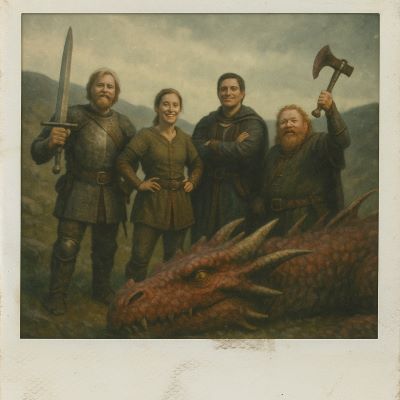
In games of Dungeons & Dragons, survival isn’t guaranteed by brute strength alone. It’s the party—a team of adventurers with varied skills and personalities—that determines success. A well-balanced party navigates danger, solves puzzles, negotiates with kings, and defeats dragons. Building a party that is poorly balanced? They get wiped out in the first dungeon.

This isn’t just fantasy. Building a good party is a powerful metaphor for creating real-world teams—whether in business, education, or community leadership. Let’s explore how the lessons of D&D party composition can help you build more effective, resilient, and exciting teams.

The Classic Roles: Diversity of Function

In most D&D parties, players naturally fall into a few core roles:

  • The Fighter (or Tank) – Soaks up damage, leads from the front, keeps the team safe.
  • The Healer (or Support) – Keeps the team alive, fixes problems mid-battle, often overlooked until things get desperate.
  • The Arcane Master (or Wizard) – Wields immense power, but fragile. A thinker and planner.
  • The Thief (or Rogue) – Deals precision damage, scouts ahead, solves traps. Agile and clever.
  • The Negotiator (or Face) – Talks the party through problems. Reads the room, persuades the crowd, calms the chaos.

Each of these roles plays a critical part in a party’s success. And just like in the workplace, it’s dangerous to build a team with only one type of thinker or doer. A team of fighters might get stuck on a puzzle. A group of wizards might collapse under pressure. True strength comes from complementary roles—from people doing different things well, not the same thing better.

Unique Players, Unique Takes

But D&D is never just about archetypes. Each player adds their own twist to their role. Of course, one fighter might be a stoic knight. Another, a reckless brawler. One rogue might be a sly thief with a heart of gold, another an acrobat who only steals for sport. A cleric might be a devout priest—or a cynical medic who just happens to carry a holy symbol (“I’m a doctor, not a bricklayer”) .

These personal touches matter. They affect how players interact, solve problems, and support one another. In leadership, we call this individual agency within a role. Just because two people have the same job title doesn’t mean they’ll approach it the same way—and that’s a strength, not a flaw.

Encouraging individuality within roles allows team members to take ownership, play to their strengths, and bring their full selves to the work. You don’t want five clones with different names. You want five distinctive voices working together.

The Magic of Synergy

Some of the most memorable D&D moments come from synergy—when players combine their abilities in surprising ways:

  • The rogue distracts the guards with sleight of hand while the wizard casts invisibility on the fighter, who then sneaks into the vault
  • The druid wild shapes into a blue ring octopus and is thrown by the fighter, on the end of a spear into the villain, poisoning him fatally (yes, this really happened).
  • The barbarian takes all the hits while the healer stacks buffs and the bard inspires everyone with a heavy metal song.

These combos aren’t in the rulebook. They come from understanding what your teammates can do and planning together. In other words, collaboration.

In leadership, encouraging synergy means helping people know each other’s strengths, build trust, and experiment together. Cooperation like this doesn’t just increase output—it creates those unforgettable “we did it!” moments that build lasting team culture.
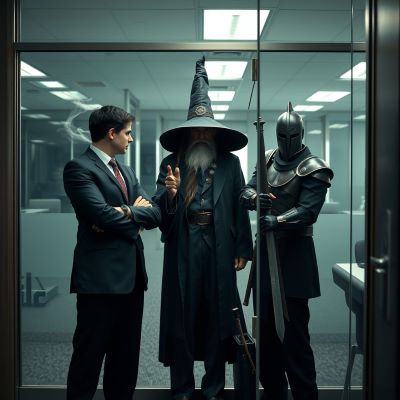
Who will make up your party?

Building Your Party in the Real World

So how do you use the concepts of building your party in your own team or organization?

  1. Define Your Roles Clearly
    Just like D&D characters have classes, your team members need to understand their roles—not just their job titles, but how they contribute to the team’s overall success. This can be done individually as people step into a new role. However, it can also be done as a group where everyone’s role is defined collectively.
  2. Value Diversity of Skills
    Don’t hire or assign roles based on sameness. Bring in people who think differently, act differently, and bring different types of magic to the table. You want to avoid groupthink at all costs, get diversity into your team quicksmart.
  3. Let People Own Their Role
    Encourage creativity. Let team members adapt their roles to suit their strengths and interests. Don’t just assign tasks—give ownership. Watching a team member make a role their own is one of the joys of leadership.
  4. Foster Collaboration, Not Competition
    Create a culture where people look for combo moves, not solo glory. Reward teamwork over individual brilliance. Collaboration and teamwork should be the norm. Don’t encourage or reward Lone Wolf behaviour.
  5. Make Time for Storytelling
    In D&D, parties bond over shared adventures. In real life, teams need time to reflect, celebrate wins, laugh over failures, and tell the story of what they’ve achieved together.

Final Thoughts on Building a Party

Whether you’re storming a goblin-infested ruin or navigating a complex project at work, success rarely comes from going it alone. It comes from assembling a party that works—people with different talents, unique styles, and a shared goal.

Leadership, then, isn’t about being the strongest character. It’s about building the right party, helping each person shine, and creating the space where together you can do something extraordinary.

And honestly? That’s where the real adventure begins.
Three Valuable Lessons from the Infamous Leeroy Jenkins

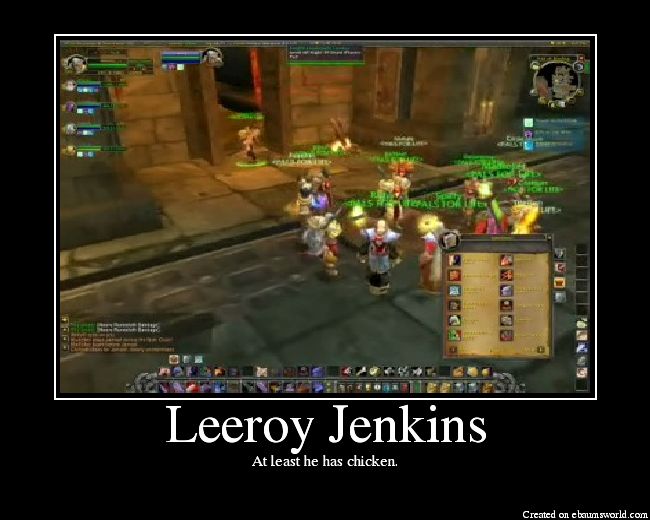
Over the last 15 year, few moments have become as iconic in the gaming sphere as the infamous “Leeroy Jenkins” incident from the video game World of Warcraft. For those unfamiliar, Leeroy Jenkins is a character who, in a recorded raid planning session, abruptly charges into battle without waiting for his team’s strategy, resulting in a spectacular failure. While this moment is often remembered for its humor, it also holds valuable lessons that transcend gaming and apply to various aspects of life and teamwork. So what can we learn?

1. The Importance of Preparation

One of the most glaring takeaways from the Leeroy Jenkins saga is the significance of preparation. In the video, the team meticulously plans their strategy, calculating odds and discussing tactics. However, Leeroy’s unplanned charge into the fray completely derails their carefully laid plans, leading to most of the party being wiped out and their objective lost.

Lesson: Preparation is key to success, whether in gaming, work, or personal projects. Taking time to plan, understand the task at hand, and ensure everyone is on the same page can dramatically increase the chances of success. While spontaneity can sometimes lead to positive surprises, a lack of preparation often results in preventable failures. Think of the six Ps: Proper Planning Prevents Piss Poor Performance.

2. The Value of Teamwork and Communication

The Leeroy Jenkins moment underscores the importance of teamwork and clear communication. The rest of the team was engaged in a collaborative effort to strategize, yet Leeroy’s solo actions ignored this collective effort, leading to chaos. The actions of one, completely destroyed the goal of the group.

Lesson: Effective teamwork relies on every member contributing and adhering to the agreed-upon plan. Communication is crucial in ensuring that all team members understand their roles and responsibilities. Disregarding team dynamics can undermine the entire group’s efforts, leading to conflict and failure.

Although amusing, Leeroy Jenkins does highlight the issues of having a Lone Wolf on your team. As a leader you need to try and get everyone pulling together as a team. If an individual doesn’t want to do that, then perhaps it is time for them to work/play elsewhere.

Some great memes came from the Leeroy Jenkins incident.

3. Embracing Failure and Learning from It

Despite the catastrophic outcome, the Leeroy Jenkins incident has been embraced by the gaming community as a legendary moment of humor and learning. World of Warcraft now has a Leeroy Jenkins NPC for players to interact with and references have popped up in media ranging from Family Guy to serious military discourse. It highlights that failure, while sometimes embarrassing or frustrating, can also be an opportunity for growth and camaraderie.

Lesson: Failure is an inevitable part of any endeavor. The key is to embrace these moments, analyze what went wrong, and use the experience to improve future efforts. In both gaming and life, laughter and resilience in the face of failure can transform a setback into a memorable and educational experience.

Final Thoughts

The legend of Leeroy Jenkins is more than just a funny internet video; it’s a cautionary tale with lessons about preparation, teamwork, and the value of learning from failure. By taking these lessons to heart, we can approach our own challenges with greater foresight. So next time you’re about to charge into a situation, take a moment to plan, communicate, and remember the enduring cry: “Leeeeroy Jenkins!”