
Can Roleplaying be Used as a Powerful Forecasting Tool?

using roleplaying as a forecasting tool

I came across this paper titled “Role Playing: A Method to Forecast Decisions” by J Scot Armstrong (2001) a couple of years ago and thought it was worth sharing here. Armstrong’s paper discusses the effectiveness of using role-playing simulations to forecast decisions in various real-world scenarios. It presents five situations where interactions between two parties significantly impact the outcomes. These include labor negotiations, lobbying efforts, product design changes, legal defense strategies, and contract negotiations. The paper argues that using role-playing simulations can help accurately forecasting decisions and their consequences in these complex, interaction focused situations.

It highlights the importance of accurately forecasting the decisions of other parties involved, citing historical examples where inaccurate predictions led to detrimental outcomes. One such example was the failed stock sale of the British-owned Falkland Islands Company to an Argentine consortium in 1975, which ultimately led to the Falkland’s war. Accurate forecasting of each other’s decisions might have prevented the conflict, instead resulting in mutual benefits. The author suggests that role-playing simulations can help improve decision-making accuracy by simulating interactions between parties and predicting their responses to different scenarios.

In many ways this is similar to the concept of Red Teaming. This involves running a simulation with a real opposition force (red team) to test a companies strategies and contingencies. I wrote about Red Teaming and roleplaying games in a previous article here.

Running a Roleplaying Simulation

The paper outlines the basic elements of creating these role-playing simulations. Including realistic casting, clear role instructions, accurate situation descriptions, active participation, and thorough coding of results. It also emphasizes the need for multiple sessions with different scenarios to obtain reliable predictions.

When to Run a Forecasting Simulation

Of course using roleplaying simulations for forecasting does not work for every situation. The paper suggests ideal conditions include: involving conflicts, large changes, or interactions between a few parties. Most important is the need for faction interactions to have a large influence on the outcome.

Is Roleplaying as a Forecasting Tool A Valid Method?

Finally, the paper provides evidence on the value of role-playing simulations, including studies demonstrating their face validity, predictive validity in contrived situations, and effectiveness in predicting decisions in actual situations. It concludes that role-playing simulations offer a valuable method for forecasting decisions and improving decision-making processes in complex scenarios.

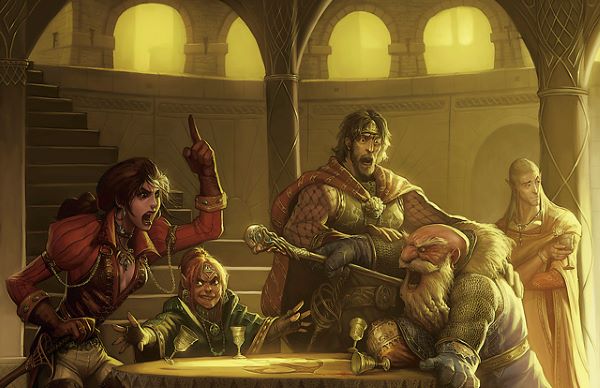
An example of a crisis focused forecasting simulation

Final Thoughts

This paper was an interesting read and I could immediately draw parallels with Red Teaming and Megagames in the way the suggested simulations would work. But are companies and other organizations using this methodology? Unfortunately, that is not made clear in the paper. Though we do know that the military do use roleplaying in some of their wargames.

Given the suggested ideal situations and the cost associated with running a roleplaying forecast simulation implies that this methodology would only really be viable for larger organizations. For example, companies like Airbus, Richemont, and HSBC have participated in crisis simulation exercises that involve role-playing to improve decision-making under stress. In fact there is an existing industry providing such services.

Unfortunately, it seems clear that this sort of activity would be of limited use for the small to medium enterprise.

Nonetheless, an interesting journey into another avenue of roleplaying and its use within an organizational setting. Has your company used roleplaying as a forecasting tool?

How Dungeons & Dragons Can Make Me Better at My Job

At first glance, Dungeons & Dragons (D&D) may seem like just a game about fighting dragons, looting treasure, and telling fantastical stories. But can Dungeons & Dragons make me better at my job? Beyond the dice rolls and dungeons lies a useful toolkit for personal and professional growth. If you follow this blog you know I’m a massive proponent of the skills that playing D&D hones. Most of which are critical in the modern workplace, from communication and leadership to problem-solving and emotional intelligence.

If you’re looking to level up at work, here’s how sitting down for a session of D&D can make you a better employee, leader, and teammate.

Improved Communication Skills

In D&D, players must work together to succeed. Whether you’re convincing the rest of your party to take a risky path or role-playing a persuasive negotiation with a merchant, communication is key.

The Job Connection:

  • Clear Articulation: Explaining complex ideas, like a strategy to defeat an ogre or a proposal for a new work initiative, requires clarity and confidence.
  • Active Listening: Success in D&D depends on paying attention to what others say—an essential skill for effective collaboration.
  • Empathy in Messaging: Playing characters with diverse backgrounds helps you learn to tailor your words to different audiences.

Imagine how these skills could translate to leading a team meeting, pitching a new idea, or resolving workplace misunderstandings.

Teamwork and Collaboration

D&D is not a solo game. Success depends on a group of individuals working together, each bringing their unique skills to the table. A rogue may sneak past traps, a wizard might solve an arcane puzzle, and a fighter can hold the line in battle.

The Job Connection:

  • Leveraging Strengths: Just like a party in D&D, workplace teams thrive when individuals understand and utilize their unique talents.
  • Cooperation Under Pressure: Whether it’s a battle against a dragon or a tight project deadline, D&D teaches you how to stay composed and work together during high-stress situations.
  • Building Trust: When you rely on your teammates to save you from a goblin ambush, you learn to trust them—an invaluable skill in any job.

In short, D&D reinforces the importance of working as a team to achieve shared goals.

Dungeons & Dragons Can Make Me Better at My Job!

Creative Problem-Solving

D&D is a game of choices, and there’s rarely one “right” answer. Players constantly face unique challenges, from deciphering cryptic prophecies to outsmarting enemy generals. Success often requires creative thinking.

The Job Connection:

  • Innovation: Brainstorming solutions to complex in-game problems hones your ability to generate innovative ideas at work.
  • Flexibility: When your first plan fails (and it will), D&D teaches you to adapt and pivot, a skill highly valued in dynamic work environments.
  • Decision-Making: The consequences of in-game choices train you to analyze options and make informed decisions under pressure.

If you’ve ever convinced a dragon to become your ally instead of your enemy, you know how valuable creative thinking can be.

Leadership Development

Playing D&D often involves taking on leadership roles, whether as the Dungeon Master (DM) guiding the story or as a player rallying the party. Leadership in D&D mirrors leadership in the workplace: it’s about empowering others, making decisions, and staying composed under pressure.

The Job Connection:

  • Inspiring Others: A great leader can motivate their team, much like a paladin inspires their party to keep fighting.
  • Strategic Thinking: Planning a daring heist or defending a fortress requires the same long-term thinking that leaders use to guide projects.
  • Delegation: D&D teaches you to rely on your team—after all, you can’t cast every spell or swing every sword.

If you want to sharpen your leadership skills, few activities are as effective as stepping into the role of DM.

Emotional Intelligence and Resilience

D&D creates a safe space to explore emotions and practice resilience. Losing a beloved character or failing a critical quest can be tough, but these experiences teach you how to process setbacks and bounce back.

The Job Connection:

  • Resilience: Facing challenges in D&D helps you build the grit to handle workplace obstacles with confidence.
  • Empathy: Role-playing as different characters fosters a deeper understanding of others’ perspectives, enhancing interpersonal relationships.
  • Conflict Resolution: Managing in-game disputes translates to resolving real-world workplace conflicts with tact and diplomacy.

The emotional intelligence you gain from D&D can make you a more thoughtful and adaptable colleague.

Time Management and Organization

D&D requires players to manage their resources (like spell slots and gold), plan their actions, and track multiple storylines. These skills are directly transferable to the workplace.

The Job Connection:

  • Prioritization: Deciding whether to use your last healing potion now or save it for later mirrors how you allocate time and resources at work.
  • Project Management: Keeping track of quests, maps, and NPCs teaches you how to stay organized and on top of multiple tasks.
  • Deadlines: Scheduling regular game sessions with a busy group of people is great practice for managing competing schedules.

Mastering these skills can make you more efficient and reliable at work.

Dungeons & Dragons Can Make Me Better at My Job!

As you may have guessed by now, I believe that Dungeons & Dragons isn’t just a game—it’s a training ground for professional success. By playing the game you’re actually enhancing your communication, teamwork, creativity, leadership, emotional intelligence, and organizational skills. Without even realizing it, D&D prepares you to tackle workplace challenges with confidence.

So, the next time someone raises an eyebrow at your dice bag or asks why you spend hours playing a “nerdy” game, tell them you’re investing in your career. Who knows? Maybe they’ll join your party and level up their professional game too.

Steward Leadership and the Secrets of Dungeon Mastering

At its heart, D&D is about collaboration and shared experiences, and a crucial element of this experience is the role of the Dungeon Master (DM). The DM is the storyteller, the world-builder, and the ultimate guide for players as they embark on epic adventures. I’ve been interested in the concept of Steward Leadership for quite some time. In fact, my personal leadership philosophy strong aligns with this concept. In this article, we explore the concept of steward leadership in the context of Dungeon Mastering. Looking at how it can elevate the game for everyone involved.

Steward Leadership: A Brief Overview

Steward leadership is a leadership philosophy that emphasizes service, responsibility, and accountability. In essence, a steward leader sees themselves as a caretaker of a particular domain, with a responsibility to ensure its long term well-being and prosperity for all involved. In my role as a General Manager in the environmental sector, I believe it is my duty to guide the business in a way that see’s it succeed for years to come. This heavily informs my decision making and strategizing. It also prevents me from chasing the newest shiny thing, without first understanding any long term implications.

Having seen how this philosophy shapes my leadership style how might it translate to Dungeon Mastering in D&D?

The Steward DM: Fostering a Shared Experience

Creating a World: Just as a steward leader is responsible for managing and nurturing a specific domain, the DM is responsible for crafting and maintaining the game world. This includes creating rich lore, intriguing NPCs (non-player characters), and immersive environments that allow players to feel fully immersed in the game.

Balancing the Game: A steward leader aims to maintain balance and fairness within their domain. Similarly, a DM must balance the game to ensure that each player has a chance to shine and contribute to the story. This means adjusting encounters and challenges to match the abilities and preferences of the players.

Nurturing Player Growth: Steward leaders invest in the growth and development of those within their domain. DMs can do the same by providing opportunities for character development and personal growth within the game. This might involve character arcs, moral dilemmas, and choices that challenge players to evolve.

Fostering Collaboration: Steward leaders understand the importance of collaboration among all stakeholders. In D&D, this means facilitating teamwork among the players, allowing them to utilize their unique strengths and abilities to overcome obstacles and solve problems.

Steward leadership can help guide your business and your game

The Steward DM in Action

Imagine a group of adventurers standing at the entrance of a treacherous dungeon. As the DM, you have meticulously designed this dungeon, complete with traps, puzzles, and hidden secrets. You could approach this scenario in several ways:

Authoritarian Approach: You could view yourself as the “opponent” and set out to challenge the players mercilessly. The goal is to win, and the players are merely obstacles. This approach will inevitably lead to frustration and an unenjoyable game.

Steward Leadership Approach: Instead, you embrace the role of a steward DM. Your goal is not to defeat the players but to provide them with a memorable and rewarding experience. You carefully consider the difficulty of the encounters, ensuring they are challenging but not insurmountable. You encourage creativity and problem-solving, allowing the players to engage with the world and each other.

As a steward DM, you also actively seek feedback from your players, adjusting your approach to cater to their preferences and ensure everyone has a fulfilling experience. You’re not just a storyteller; you’re a facilitator of epic tales, a guardian of fairness, and a mentor for those who traverse the realms you create.

Final Thoughts

Steward leadership has a large influence on my personal leadership style. I’ve often thought that the philosophy ports well into other aspects of life. Of course, Dungeon Mastering is more than just guiding players through a fantastical world—it’s an exercise in steward leadership. By embracing the principles of stewardship, DMs can create a dynamic and inclusive gaming experience where everyone feels valued and engaged. So, whether you’re a seasoned DM or just starting your journey, remember that your role is that of a steward, dedicated to crafting epic adventures and nurturing the joy of storytelling for all involved.