
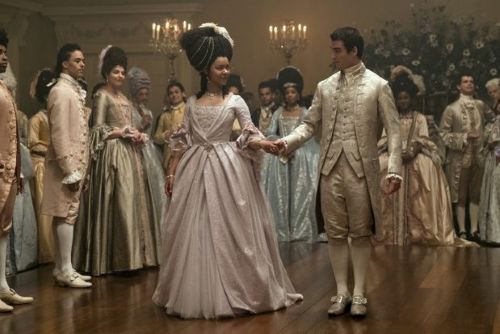
What happens when five Regency-era sisters discover their father has been murdered a few hours before hosting the social event of the season? Well, recently I had the opportunity to find out when I ran a two-hour one-shot of Virtues & Scandals called Featherington Manor.
Dear readers, the premise was delightfully simple. The players took on the roles of the Featherington Sisters, daughters of the fabulously wealthy Baron Featherington. Each sister had her own personality, ambitions and secret desires, while also navigating the rigid expectations of Regency society. Reputation was everything and scandal could destroy the entire family.
Our cast of sisters could not have been more different.
Bally Featherington was the eldest sister and self-appointed Queen of the Ball. Fanny was the dutiful daughter, determined to uphold the family’s reputation. Lucy Featherington possessed an almost alarming fascination with soldiers and military men. Milly was a hopeless romantic dreamer searching for true love. While Lizzy was a horse-mad adventurer who seemed entirely unsuited to the restrictions of polite society.
Together, they inherited a problem. Several problems, in fact.
Act One: The Dead Baron
The session opened with the sisters discovering their father dead in his study.
Unknown to the characters, the Baron had been poisoned by their scheming cousin Roger Askill. This thoroughly unpleasant opportunist stood to inherit everything if the sisters failed to secure a marriage. (This premise was lifted directly from the wonderful regency era podcast Bitcherton. Highly recommended for inspiration).
As the sisters searched the study, matters became even worse. Not only was their father dead, but his papers revealed that the family was effectively bankrupt. If one of the sisters did not secure an engagement before the evening was over, Featherington Manor would be lost.
Naturally, this was the exact moment when visitors began arriving at the front door. Rather than mourning their father, the sisters immediately began a frantic operation to hide the body. All the while maintaining the appearance that everything was perfectly normal. The dead Baron was eventually rolled in a rug before relocating to the coal cellar, which seemed entirely reasonable at the time.
Players scrambled to distract visitors, conceal evidence and fend off the ever-present Roger Askill. Every conversation became an exercise in maintaining propriety while desperately trying not to reveal that the head of the household was currently hidden amongst the coal.
As a bonus complication, an amorous gardener also entered the picture. Creating further opportunities for confusion, awkwardness and increasingly questionable explanations. By the end of the first act, the sisters had somehow managed to keep both the murder and the bankruptcy secret.
For now.
Act Two: The Featherington Ball
With disaster temporarily postponed, attention turned to the annual Featherington Ball.
One of my favourite tools as a Game Master is asking players to help build the setting through “paint the picture” questions. Rather than me describing every detail, the players collectively created the atmosphere of the evening. I had a series of questions ready to go and as such the grand ball took on a life of its own.
The ballroom quickly came alive with glittering decorations, whispered gossip, fashionable guests and subtle signs that the family’s wealth might not be quite as secure as everyone believed. The ball itself became a whirlwind of dancing, flirtation and social manoeuvring.
A collection of eligible bachelors attended, each carrying secrets of their own. There was the dashing Captain Percival Cavendish, the scholarly Julian Fairfax, the wildly unsuitable Lord Jasper Redmond and the sombre Mr Charles Wetherby. Meanwhile Roger Askill continued lurking in the background, hoping the sisters would fail and leave him free to claim the estate.
As conversations unfolded, alliances formed and ambitions collided. There was matchmaking, misunderstandings and a surprising amount of unsuccessful flirting.
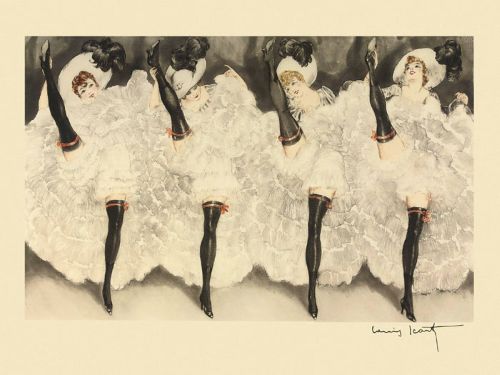
And then there was the Can Can.
A Dance Too Far
At some point during the evening, the Featherington sisters managed to convince the attendees to participate in the scandalous new dance sweeping society: the Can Can.
The image of respectable Regency nobles enthusiastically joining a dance that would have sent society’s chaperones into fits of horror perfectly captured the spirit of the session. The game had begun with strict expectations of decorum and social propriety, yet slowly descended into delightful chaos as players embraced increasingly bold solutions to their problems.
By this stage, secrets were being uncovered, schemes were being hatched and romantic opportunities were being pursued with varying degrees of success.
A Happy Ending… More or Less
Despite the murder, the bankruptcy, the hidden corpse, the scheming cousin and the numerous social disasters waiting to happen, the sisters ultimately achieved the one thing they desperately needed.
A proposal of marriage.
With an engagement secured by Fanny and the wealthy merchant Fairfax, the family estate was saved from falling into Askill’s hands and the Featherington name survived another day.
Why It Worked
What made Featherington Manor such an enjoyable session was how quickly the players embraced the premise. The combination of Regency etiquette, hidden agendas, personal ambitions and absurd circumstances created fertile ground for roleplaying.
Unlike many games where problems are solved with swords or spells, every challenge here revolved around conversation, reputation and relationships. Players had to think like ambitious socialites rather than adventurers, balancing personal goals against the needs of the family.
The result was a session filled with laughter, memorable character moments and exactly the kind of emergent storytelling that tabletop roleplaying games do best.
For two hours, five players became the Featherington Sisters, desperately trying to preserve their family’s future while hiding a murdered father in the coal cellar. While I, as the GM, desperately tried to keep up as the various suitors, stable boys and servants.
One of players commented that there was no fighting, it was a very different session to normal. Which is exactly why I love running one-page rpgs.
For those interested in running a similar session, go and buy Virtues and Scandals! I’ve also included my session notes to download for free here.