
Character Death: Embrace the Suck and Grow Resilience

Characters in roleplaying games are an extension of each player. Which is why character death is more than just a game mechanic—it’s a powerful tool for storytelling, tension, and personal growth. When a beloved character meets their end, it can be devastating for players. Yet, these moments also provide an opportunity to build resilience. In real life, failure often feels like a setback, but it’s actually a critical part of growth. The same is true in D&D: loss, adversity, and even death create some of the most cinematic and unforgettable moments in the game.

In my long-running campaign, we’ve had our fair share of tragic yet unforgettable character deaths. One of my favorites was a dwarf pugilist who heroically fought his last battle, only to be turned into a statue—immortalized in stone, a symbol of both his strength and vulnerability. A halfling midwife was vaporized in a split second by a green dragon, a gut-wrenching moment of loss that haunted the party for sessions afterward. A tiefling warlock sacrificed her very existence to save the rest of the group. Her selfless act transforming the party dynamic forever. These deaths were heartbreaking, but they were also cinematic, exciting, and pivotal moments in the campaign.

Medusa, a regular source of character death

Character death, like failure in life, can feel like an ending. But in D&D, it is also a beginning—a chance to reflect, grow, and adapt. Just like the stories we tell in the game, our failures in real life can become part of a larger journey. They don’t define us, but they do shape us. The more we play, the more we learn that resilience is key to both the game and to life.

Three Tips for Building Resilience Through D&D

1. Embrace the Story, Not Just the Success

Death and failure are part of the journey. While everyone loves a victorious ending, the setbacks and losses are what make the victories truly memorable. When your character falls, think of it as an opportunity to add depth to your story. How does your party react? How does the world remember your character? By embracing these moments, you develop the ability to face and process loss, which is key to resilience.

Resilience Tip: Take time to reflect on what the character meant to you and the story. Honor their journey, even in their demise. The emotional impact will deepen your connection to the game and make your next character all the more meaningful.

2. Adapt and Overcome

Of course, the death of a character doesn’t mean the end of the campaign, and it shouldn’t mean the end of your engagement with the story. Whether it’s rolling up a new character or finding creative ways to re-enter the narrative (perhaps through a descendant or a resurrected version with lingering consequences), the game challenges you to adapt. This builds mental flexibility and teaches you to face challenges head-on rather than giving up.

Resilience Tip: When a character dies, brainstorm new ways to stay involved in the story. Maybe your next character can help the party move forward, or you can shift your focus to supporting other players’ stories. This ability to adapt strengthens resilience, both in the game and in real life.

3. Celebrate the Failure

Character deaths can feel like a failure, but often they’re the most memorable part of the game. Lean into those moments—remember them, share them, and laugh about them. Some of the greatest stories come from plans going wrong or characters meeting unexpected ends. Just as in life, failure is a stepping stone to growth, and those hard moments often lead to the most rewarding learning experiences.

Resilience Tip: After a character death, take time to celebrate the story of the character and what they achieved before their demise. Talk to your fellow players about the impact of the moment. By turning failure into a point of celebration, you can shift your mindset toward seeing challenges as opportunities for growth.

Final Thoughts

Dungeons & Dragons, like life, is filled with ups and downs. Character death and failure are inevitable, but they’re also invaluable. They teach us to roll with the punches, adapt to change, and find meaning in the struggle. The next time your character faces their doom, take a deep breath and remember: it’s all part of the journey. Through these moments, both in the game and in life, we build the resilience that carries us forward.

Resilience isn’t about avoiding failure; it’s about embracing it, learning from it, and continuing the adventure. So, let your character’s death become part of your legacy—because, in the end, the stories we tell about our failures are often the ones that shape us the most.

Rediscovering the Amazing Benefits of Warhammer 40K

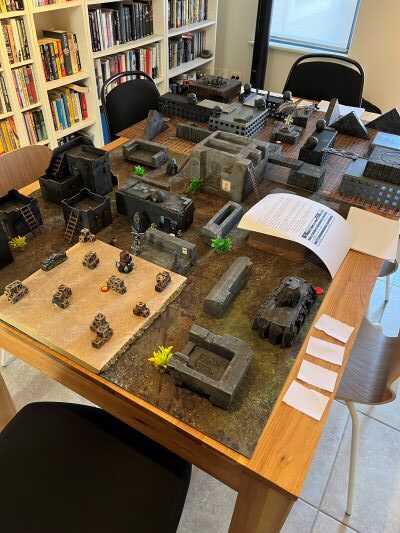
When I was in school, one of my favorite pastimes was playing Warhammer 40K. The thrill of painting miniatures and taking them into battle with my friends are memories I always cherish. Life moved on, and like many hobbies from our youth, my 40K collection was boxed up and stored away. Recently, however, my son has discovered the game, and his enthusiasm has reignited my passion for it. Returning to Warhammer 40K has not only brought back fond memories but also reminded me of the many benefits this game offers, both for young players like my son and for those of us (oldies)who are reconnecting with it.

Creativity and Artistic Expression

One of the most rewarding aspects of Warhammer 40K is the opportunity for creativity. Of course, assembling and painting miniatures allows players to express themselves artistically, experimenting with color schemes, customizing models, and even creating their own unique chapters or factions. I’ve never really thought of myself as creative, until my wife pointed out the imagination and innovation that I put into the hobby.

  • For Kids: For my son, painting his first Space Marine was an exercise in patience and creativity. It was a chance for him to explore his artistic side and take pride in creating something with his own hands.
  • For Adults: Returning to painting after so many years has been incredibly satisfying. It’s a meditative process that lets me unwind and focus on something tangible. Plus, it’s a great way to bond with my son as we share tips and admire each other’s work.

Strategic Thinking and Problem-Solving

Warhammer 40K is as much about strategy as it is about creativity. Every game requires players to think critically about their tactics, anticipate their opponent’s moves, and make decisions that will impact the outcome of the battle.

  • For Kids: My son is learning valuable skills in strategic thinking and problem-solving. Interestingly, he’s discovering that winning isn’t just about having the biggest army. Rather, it’s about making smart decisions, understanding the strengths and weaknesses of his units, and planning several steps ahead.
  • For Adults: Revisiting the tactical side of the game has been a great mental workout. It’s reminded me of how much fun it is to engage in deep strategic planning, where every move counts and adapting to unexpected situations can turn the tide of a battle.

Social Interaction and Community

Warhammer 40K isn’t just a game you play alone; it’s a social hobby that brings people together. Whether it’s meeting up with friends for a game, attending tournaments, or participating in online communities, Warhammer 40K fosters a sense of camaraderie and shared interest.

  • For Kids: My son has started making new friends through the game, connecting with others who share his enthusiasm. It’s been great to see him engage with a community that encourages sportsmanship, respect, and friendly competition.
  • For Adults: Re-entering the Warhammer 40K community has been like reuniting with old friends. The shared passion for the game creates an instant connection, whether with fellow hobbyists from years ago or new players just starting their journey.

Learning and Immersion in Rich Lore

The Warhammer 40K universe is vast and filled with deep lore that has captivated players for decades. The game isn’t just about battles on the tabletop; it’s about the stories and histories that give context to those battles.

  • For Kids: My son has become engrossed in the lore, reading up on the history of the factions, their motivations, and the epic battles that shape the Warhammer 40K universe. It’s sparked his interest in storytelling and history, showing how games can inspire a love for learning.
  • For Adults: Rediscovering the lore has been like diving back into a beloved book series. The depth of the Warhammer 40K universe never ceases to amaze me, and it’s a joy to explore it with my son, discussing our favorite characters and story arcs.
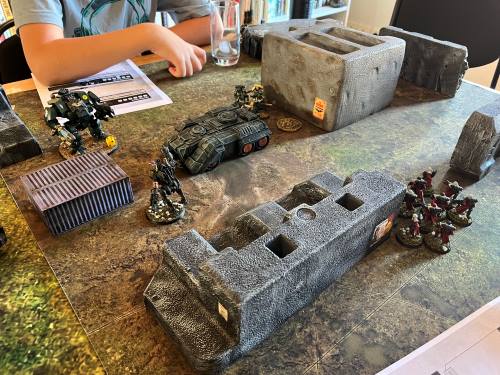
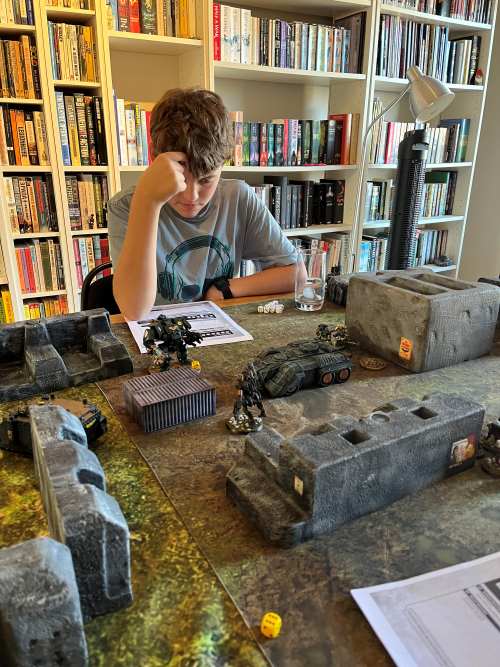
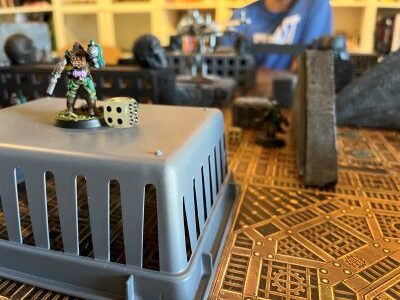
Considering the next move! Spoiler: I lost this game.

Patience, Discipline, and Achievement

Building an army, painting miniatures, and learning the rules of Warhammer 40K require patience and discipline. The sense of achievement that comes with completing a project or mastering a new strategy is incredibly rewarding.

  • For Kids: My son is learning the value of patience and perseverance. Every finished model and every well-played game are milestones that boost his confidence and show him the benefits of hard work.
  • For Adults: For me, the discipline of the hobby has been a welcome change of pace. It’s a reminder that some of the best things in life take time and effort, and the sense of accomplishment that comes with it is well worth the investment.

A Hobby for All Ages

Warhammer 40K is more than just a game; it’s a lifelong hobby that offers endless opportunities for personal growth. Watching my son discover the joys of Warhammer 40K has been a reminder of why I loved the game so much in the first place. Whether you’re a new player or someone rediscovering the hobby after years away, Warhammer 40K has something to offer everyone. I’m hoping to use this experience to explore how tabletop wargames of this sort can be used to provide experiential learning down the track. Much like I did with megagames earlier in the year.

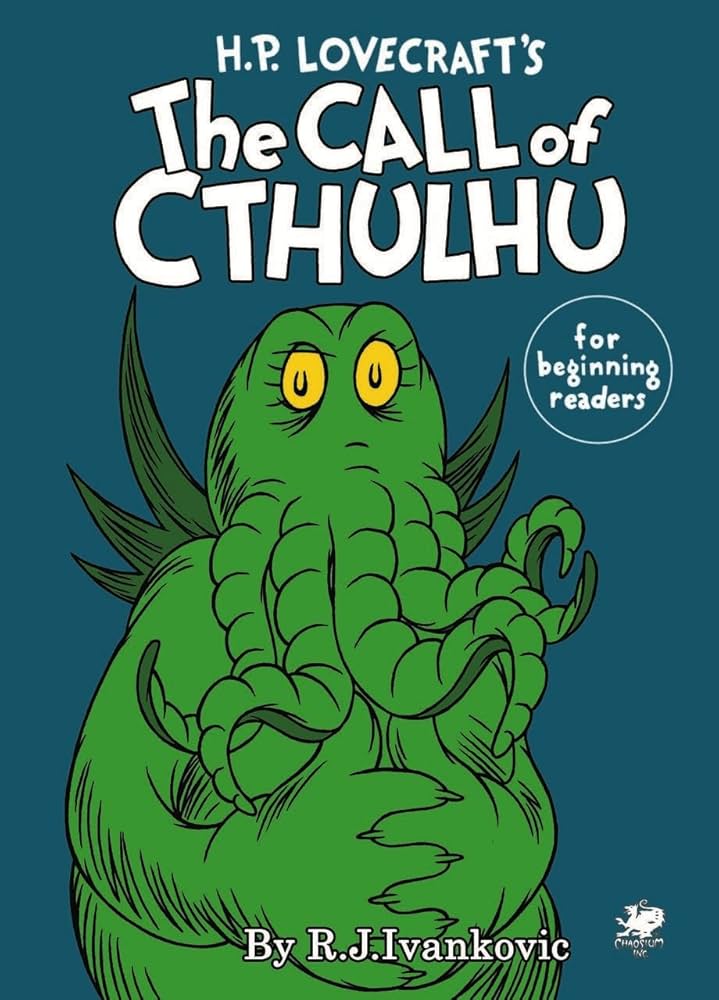
An Unexpected Lesson from Running Call of Cthulhu

As an avid tabletop RPG enthusiast I’ve enjoyed running various campaigns and oneshots over the years. Of course, there are always lessons to be learned from most sessions. However, one recent experience with my Call of Cthulhu campaign taught me more about teamwork and leadership than I ever expected.

The Game Begins

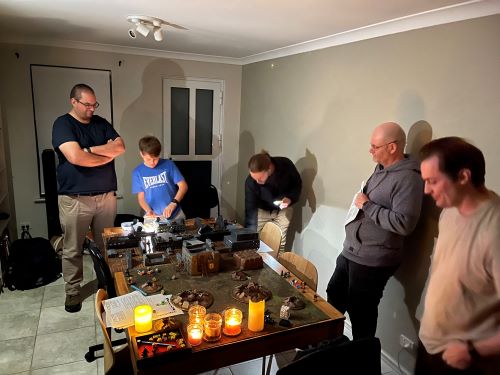
About a year ago our group, a tight-knit collection of friends, decided to embark on a Call of Cthulhu campaign. The game, known for its intense and often disturbing horror themes, seemed like an exciting challenge. something significantly different to the sprawling multi-year Dungeons & Dragons campaign I had been running. As the Game Master (GM), I was responsible for weaving a narrative that would keep everyone engaged and on the edge of their seats.

Initially, everything went smoothly. We had some incredible characters, backstories, and a dark, mysterious plot that promised endless thrills. I was excited to run “A Time to Harvest” a campaign designed for those new to Call of Cthulhu. Everything was set. However, what I didn’t anticipate was how the horror themes would affect each player differently.

A Surprising Revelation

While the campaign was moving along we had some amazing roleplaying, unsettling moments and that gradual decline of the characters that the game invokes. To my mind the campaign was going exactly as it was meant to. One morning, mid-campaign, one of our players messaged me privately. They confessed that the horror elements were not sitting well with them and that they were struggling to enjoy the sessions. This revelation came as a massive surprise. In my enthusiasm to create an immersive experience, I had overlooked the importance of checking in with my players to ensure everyone was comfortable with the content. this was particularly important given the horror themes explored in the game.

A Moment of Reevaluation

After the initial shock subsided I contacted the other players. This moment forced us as a group to reevaluate why we were playing. We realized that the core of our enjoyment came from playing together as a team, not necessarily from the specific themes of the game. It was very cleat that our primary goal was to have fun, build stories, and spend quality time together.

With this new understanding, we collectively decided to shift our campaign to something more suitable for everyone. The decision was unanimous and surprisingly easy to make. The group’s willingness to adapt and support each other made the outcome even sweeter. We transitioned to a different narrative, ensuring that all members were comfortable and engaged.

The Power of Regular Check-ins

Reflecting on this experience, I recognized a critical mistake I had made both as a leader and GM: I hadn’t conducted regular check-ins with my players. In the rush to progress the story, I neglected to pause and ask how everyone was feeling about the themes and direction of the game. This oversight highlighted the importance of regular feedback and communication, not just in gaming but in any team setting. I had written about this very subject in the past, but failed spectacularly to heed my own advice.

Lessons for Leadership

The parallels between running a roleplaying campaign and leading a team in the workforce are striking. In both scenarios, regular check-ins are crucial for maintaining a healthy, productive, and positive environment. This is something I do weekly with my direct team in my role of General Manager. Having a regular opportunity to catch up with your team and understand their needs is crucial. You can celebrate wins, discuss strategy and any issues in a timely manner. So it seems odd that I missed doing it at the gaming table. Here are a few key takeaways from my Call of Cthulhu experience:

  1. Prioritize Communication: Just as I should have checked in with my players, leaders should regularly communicate with their team members. This helps to identify any discomforts, misunderstandings, or issues early on.
  2. Adaptability is Key: Being willing to change course for the benefit of the group is essential. In our game, shifting the campaign’s theme ensured continued enjoyment. In the workplace, adapting strategies based on feedback can lead to higher employee satisfaction, engagement and productivity.
  3. Focus on Common Goals: Our group’s enjoyment stemmed from our camaraderie. Similarly, in a professional setting, understanding and focusing on shared goals can unify a team and drive collective success.
  4. Create a Safe Space for Feedback: Encouraging open and honest feedback without fear of reprisal is crucial. It allows team members to express their concerns and contribute to a more inclusive and supportive environment.

Final thoughts

This experience running a Call of Cthulhu campaign was a hard lesson in the importance of regular check-ins and adaptability in leadership. If we hadn’t adapted as a team, the group may not have survived! Whether you’re leading a group of adventurers through a fictional world or managing a team in the real world, the principles remain the same. Prioritize communication, be adaptable, focus on shared goals, and create a safe space for feedback. By doing so, you can ensure that everyone is comfortable, engaged, and working towards common success.